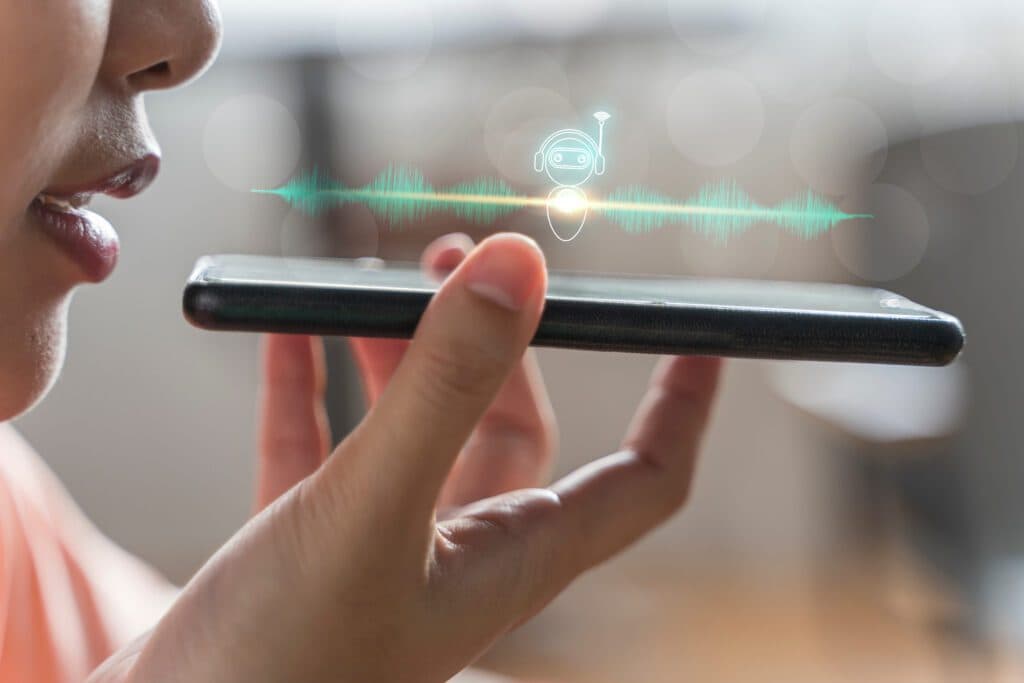
A recent social media revelation from developer Hasan Toor (@hasantoxr) has highlighted a significant advancement in artificial intelligence: an AI system capable of autonomously answering phone calls. Unlike conventional chatbots or voice assistants that operate within controlled environments, this technology reportedly functions as "an actual phone answerer" that picks up calls on the user's behalf.
Beyond Chatbots: A New Frontier in Voice AI
According to Toor's posts, this isn't merely another chatbot interface or browser-based application. The distinction he emphasizes—"Not a chatbot. Not another browser tab"—suggests a system integrated directly with telephony infrastructure, capable of intercepting and managing incoming calls without human intervention. This represents a substantial evolution from current voice AI implementations, which typically require users to initiate interactions or operate within specific applications.
While Toor didn't disclose specific technical details or the name of the service, his description implies a system that likely uses advanced natural language processing, real-time speech recognition, and voice synthesis technologies. Such a system would need to understand caller intent, formulate appropriate responses, and maintain conversational flow—all while sounding natural enough to avoid detection as an automated system.
Technical Implications and Capabilities
The development of an AI that can handle phone calls autonomously suggests several technological advancements:
Real-time Processing: Unlike asynchronous text-based chatbots, phone conversations require instantaneous comprehension and response generation with minimal latency.
Contextual Understanding: The AI must grasp conversation context, caller intent, and potentially emotional cues from voice patterns to respond appropriately.
Telephony Integration: Seamless integration with standard phone systems indicates sophisticated technical implementation beyond typical app-based solutions.
Voice Authentication: If the system is answering personal calls, it may need to verify caller identity or screen for spam while maintaining privacy standards.
Practical Applications and Use Cases
Such technology could revolutionize several aspects of daily life and business operations:
- Personal Assistants: Filtering spam calls, screening unknown numbers, or taking messages during meetings or off-hours
- Business Operations: Handling customer service inquiries, appointment scheduling, or basic information requests without human operators
- Accessibility: Assisting individuals with communication challenges or language barriers
- Productivity: Managing routine calls to free up time for more complex tasks
Privacy and Ethical Considerations
The emergence of AI phone assistants raises important questions about disclosure, consent, and data privacy. Should callers be informed they're speaking with an AI? How is conversation data stored and processed? What safeguards prevent impersonation or misuse? These questions will become increasingly important as such technologies become more widespread.
The Future of Telephony
This development points toward a future where AI handles routine communications while humans focus on complex, emotionally nuanced, or high-stakes interactions. As the technology improves, we may see increasingly sophisticated systems capable of handling everything from customer complaints to technical support, potentially transforming entire industries built around phone-based communication.
Source: @hasantoxr on X/Twitter