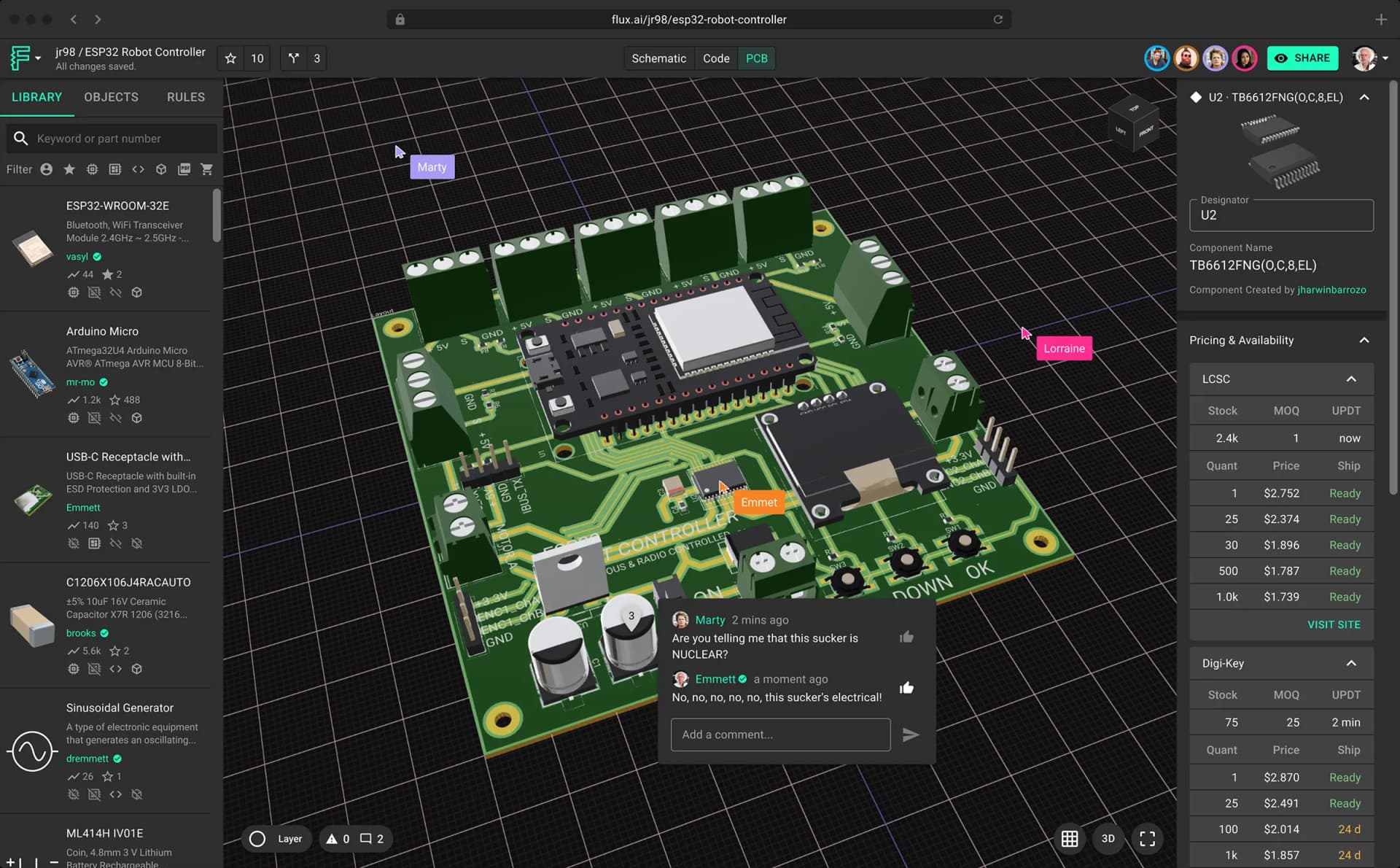
A new web-based platform has emerged that leverages artificial intelligence to enable users to create, program, and test electronic hardware designs entirely in a simulated environment. The tool, highlighted in a social media post, is described as being 100% free and includes pre-built project templates to help users learn and experiment before committing to a physical build.
The core offering is a digital sandbox for electronics. Users can design circuits, write and deploy code to simulated microcontrollers (like those from Arduino or Raspberry Pi), and observe the behavior of their systems. The AI component likely assists in areas such as component selection, wiring error detection, code suggestion, or simulating physical interactions—common features in modern electronic design automation (EDA) tools that have begun integrating machine learning.
For learners and hobbyists, the value proposition is significant. The high cost of physical components and the risk of damaging parts through error are major barriers to entry in electronics. A robust, free simulator removes these obstacles, allowing for unlimited iteration. The inclusion of pre-built projects provides a structured on-ramp, letting users reverse-engineer working designs before creating their own.
While the specific technical stack, underlying AI models, and the company behind the website are not detailed in the source, the development fits into the growing trend of "AI for makers"—democratizing complex technical fields through intelligent, assistive software.
Key Takeaways
- A new website provides a free, AI-assisted environment for designing and testing electronic circuits, featuring pre-built projects for learning.
- This lowers the barrier to entry for hardware prototyping and education.
What This Means in Practice
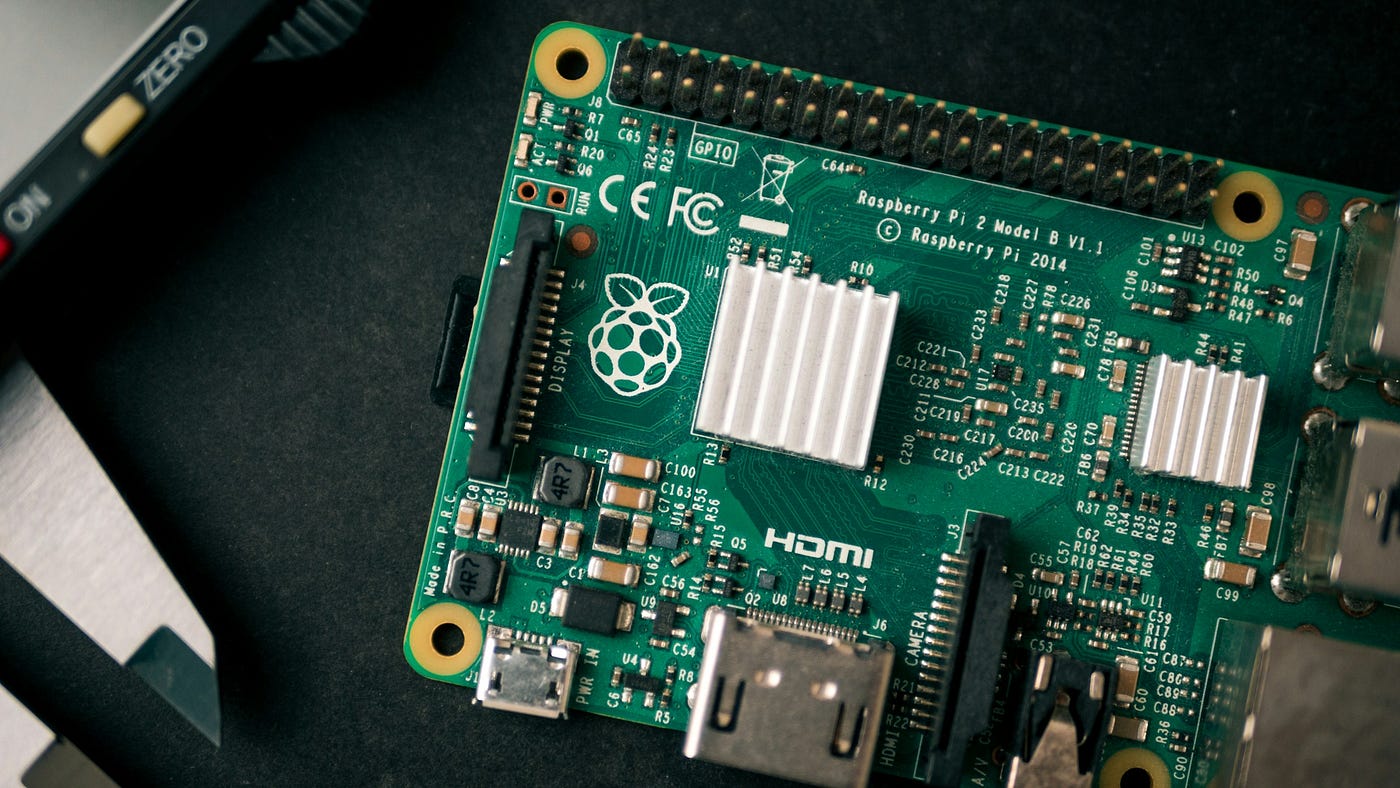
For an engineer or student, this tool could streamline the initial proof-of-concept phase of a hardware project. Instead of waiting for parts to ship, they can validate logic and firmware in simulation, potentially catching major flaws early. This accelerates the design cycle and reduces material waste.
gentic.news Analysis
This announcement, while light on technical specifics, points to a sustained trend in the maker and educational AI space: the fusion of interactive simulation and intelligent assistance. We've previously covered similar movements in software development, where AI-powered coding assistants (like GitHub Copilot) and cloud-based IDEs have drastically lowered the startup cost for building applications. This platform applies that same philosophy to the physical computing domain.
The push for free, accessible hardware tooling aligns with strategic efforts from major tech players to cultivate developer ecosystems. For instance, companies like Arduino and Raspberry Pi have long offered free software tools to drive adoption of their hardware platforms. An AI-enhanced, web-based simulator could serve as a powerful funnel, training a new generation of developers on concepts that later translate to purchasing physical components. If this platform gains traction, it could become a key educational touchpoint, similar to how Tinkercad (acquired by Autodesk) became a staple for introductory 3D design and basic circuits.
The lack of detailed benchmarks or a named AI model suggests this is likely an application-layer tool integrating existing open-source simulation libraries with some rule-based or lightweight ML features for assistance, rather than a breakthrough in core AI research. Its primary innovation is in packaging and accessibility. The real test will be in the fidelity of its simulations—whether virtual components behave like their real-world counterparts—and the usefulness of its AI guidance. As the platform is free, its business model and long-term sustainability remain open questions typical of free developer tools in 2026.
Frequently Asked Questions
Is this circuit simulator really free?
According to the source, the website is described as "100% free." This typically means there is no cost to access the core simulation, pre-built projects, and AI-assisted design features. Some platforms adopt a freemium model, so advanced features or higher usage limits might require payment, but the initial announcement states it is free.
What kind of hardware can I simulate?
The source mentions creating, programming, and testing electronic hardware, and references pre-built projects for learning. This strongly suggests support for common microcontroller platforms like Arduino or ESP32, allowing users to write code and simulate its interaction with virtual sensors, LEDs, and motors. Specific supported chipsets would be listed on the website itself.
How does the AI help with hardware design?
While not specified in the brief source, AI in such platforms commonly assists in several ways: suggesting wiring connections or component substitutions based on your design goal, automatically detecting common circuit errors (like short circuits or missing pull-up resistors), generating boilerplate firmware code for selected components, or providing natural-language explanations of how a circuit works.
Do I need to download software to use this?
The source describes it as a "website," indicating it is likely a cloud-based, browser-accessible tool. This means you should be able to use it without any software installation, directly from a modern web browser, which is a significant advantage for accessibility and ease of use.