In a recent observation on social media, Wharton professor and AI adoption researcher Ethan Mollick highlighted a defining tension in the current AI landscape: the blistering pace of product shipping from AI labs is beginning to outstrip the market's capacity to absorb and integrate new tools.
What Happened

Mollick's central point is that AI-driven product development has enabled an "accelerated shipping" cycle from research labs to public release. He notes that "a tremendous number of products are coming out, many of them are really good (with rough edges)... but we also don't have the capacity to absorb it all."
This comment isn't about a single product launch but about a meta-trend observed across the industry. The velocity of innovation—from multimodal model updates and coding agents to vertical-specific AI applications—has created a flood of new tools. While many show genuine utility, the cognitive load and operational friction required to evaluate, adopt, and implement them is becoming a bottleneck.
Context: The Acceleration Engine
The phenomenon Mollick describes is the direct result of several converging factors:
- Commoditized Foundation Models: Widespread API access to powerful models from OpenAI, Anthropic, Google, and open-source leaders allows developers to build complex applications without training models from scratch.
- Improved Tooling: Frameworks like LangChain, LlamaIndex, and a mature MLOps ecosystem have lowered the technical barrier to prototyping and deploying AI features.
- Intense Competition: The "model wars" and platform battles among major tech companies create pressure for frequent, public updates to maintain mindshare and developer interest.
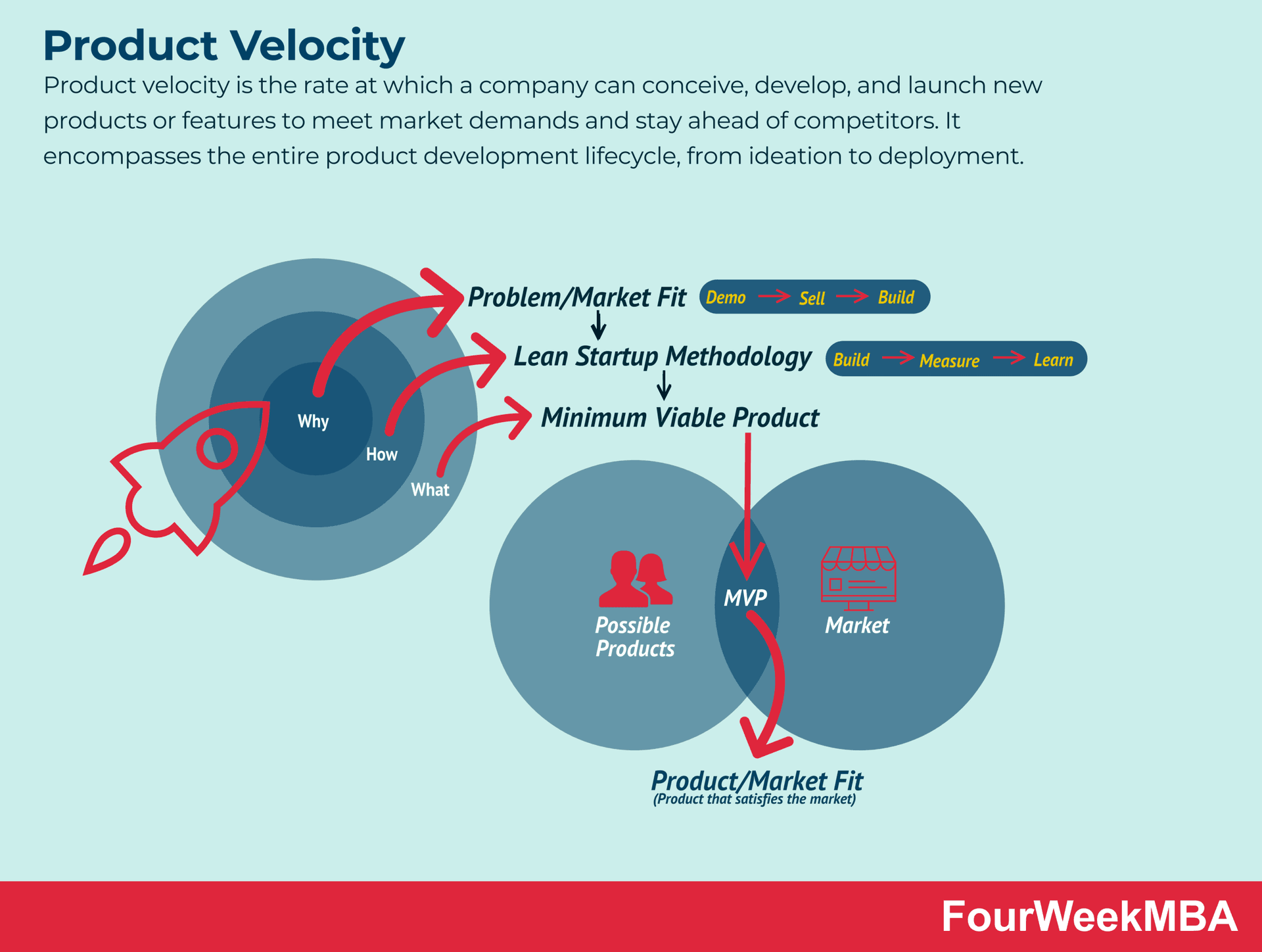
The result is a product release cadence measured in weeks, not quarters.
The Absorption Problem

The "capacity to absorb" refers to several practical limits:
- Evaluation Fatigue: For technical leaders and engineers, rigorously testing the performance, cost, and reliability of each new model or API update is time-consuming.
- Integration Debt: Incorporating a new AI tool into existing workflows, data pipelines, and security frameworks requires significant engineering effort, creating a form of "integration debt."
- User Training & Change Management: For end-users within organizations, constantly adapting to new interfaces and capabilities leads to productivity dips and resistance.
- Strategic Indecision: The rapid pace can cause decision paralysis, with teams hesitant to commit to a tool for fear a better one will emerge next month.
Mollick's observation suggests we are moving from a phase of scarcity (few capable AI tools) to one of overwhelming abundance, where the primary challenge shifts from access to curation and effective implementation.
gentic.news Analysis
Mollick's observation is a critical signpost, marking a maturation phase in the commercial AI cycle. For the past two years, the narrative has been dominated by capability breakthroughs—bigger models, new modalities, higher benchmark scores. Mollick is pointing out that the constraint is now shifting from the supply side (what can be built) to the demand side (what can be used effectively).
This aligns with a trend we've noted in our coverage of enterprise AI adoption. In our analysis of IBM's watsonx.ai updates last quarter, a key theme was IBM's focus on governance, lifecycle management, and integration—tools to manage AI, not just deploy it. Similarly, Databricks' acquisition of MosaicML was as much about providing a stable, integrated platform as it was about cutting-edge model training. These moves by established players signal a market responding to the very absorption problem Mollick identifies.
For practitioners, this implies a strategic pivot. The focus for 2026 will likely be less on chasing every new model release and more on stack consolidation, ROI-focused tool selection, and building robust evaluation frameworks. The winners in the next phase may not be those with the most advanced demos, but those who solve the hardest problems of trust, total cost of ownership, and seamless workflow integration. The era of the AI tool explorer is giving way to the era of the AI systems architect.
Frequently Asked Questions
What does "absorptive capacity" mean in AI?
In this context, absorptive capacity refers to the combined ability of individuals, teams, and organizations to learn about, evaluate, integrate, and derive sustained value from new AI tools and technologies. It's limited by time, budget, cognitive load, and existing technical infrastructure.
Is the pace of AI development actually slowing down?
No. Mollick's point is that the pace of product shipping is accelerating. The development of core AI capabilities continues rapidly. The issue is that the rate of productization and release is exceeding our human and organizational ability to keep up, creating a gap between availability and adoption.
What should a tech team do about AI tool overload?
Adopt a disciplined, phased approach: 1) Define clear problems you need to solve (not just "adopt AI"), 2) Establish strict evaluation criteria (cost, accuracy, latency, integration ease), 3) Pilot a small number of tools against those criteria, and 4) Implement a stable, supported tool for a significant period (e.g., 6-12 months) before re-evaluating, to avoid constant churn.
Does this mean we should stop trying new AI tools?
Not at all. It means shifting from reactive exploration to strategic scouting. Designate a small fraction of resources to monitor the landscape, but protect the bulk of your team's focus from the hype cycle. The goal is informed, deliberate adoption, not chasing every new release.