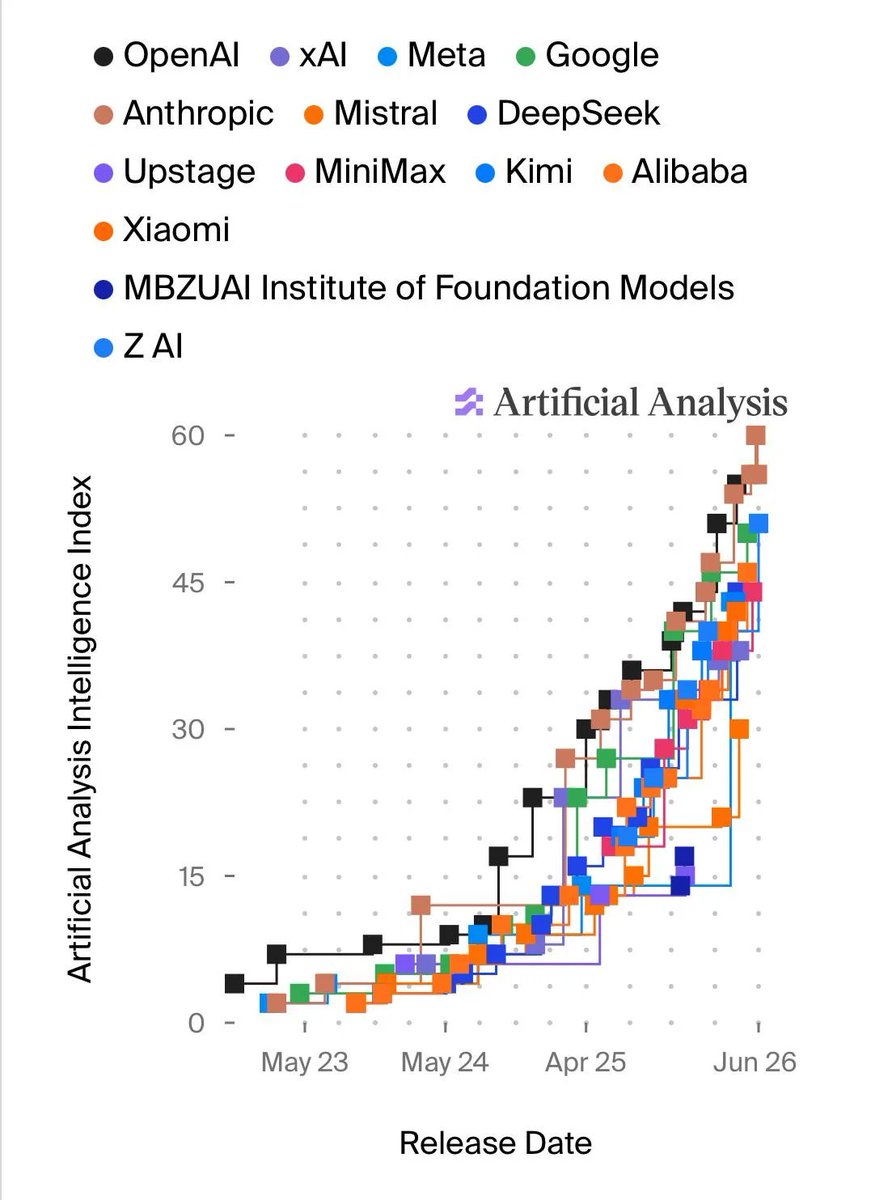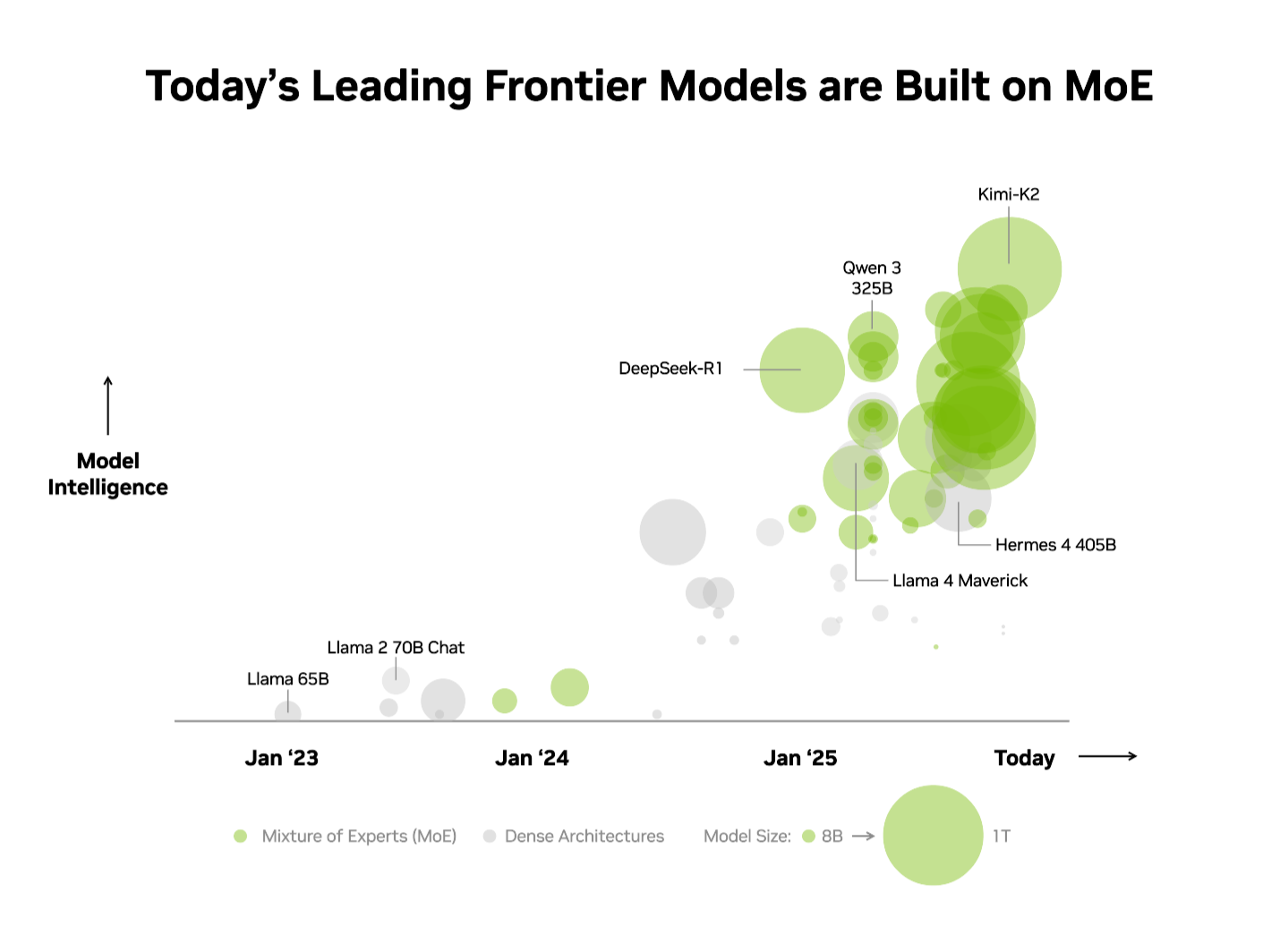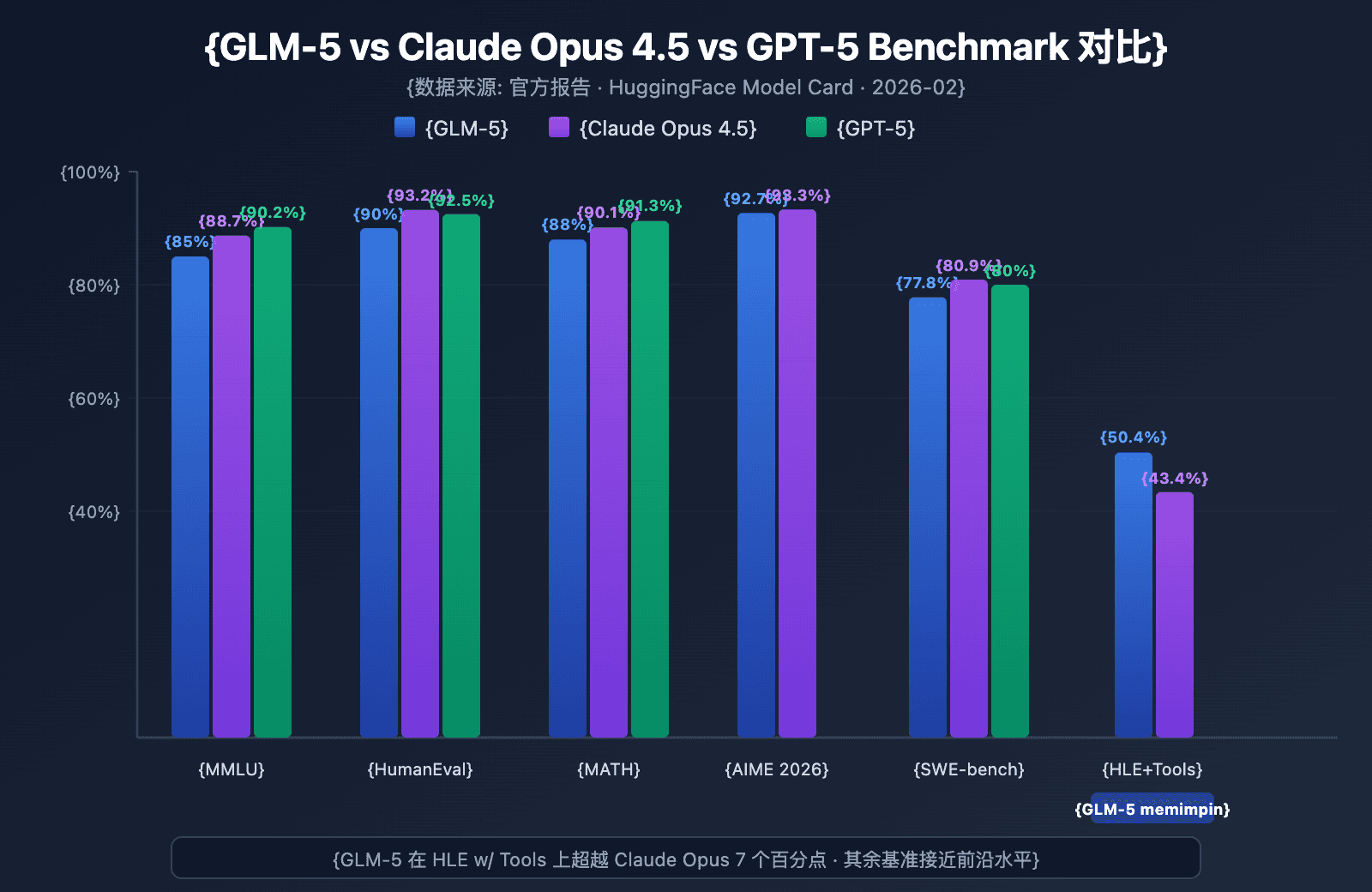
A new research paper from Alibaba's AI teams provides a tangible technical example of the rapid AI advancement that industry leaders, including Google CEO Sundar Pichai, have recently flagged as a point of concern. The work, highlighted by AI commentator Rohan Pandey, demonstrates the field's swift movement beyond the domain of large language models (LLMs) into more integrated, multi-modal systems.
What the Paper Demonstrates
While the specific tweet does not detail the paper's title or metrics, its framing is significant. It positions the Alibaba research as a "strong example" of the phenomenon Pichai warned about: AI development is accelerating in capability and expanding in scope at a pace that demands attention. The core message is that the frontier is no longer just about making better text predictors; it's about creating AI that can understand, reason, and generate across multiple data types—like images, video, audio, and code—in increasingly sophisticated ways.
This aligns with a clear trend from major labs. Research is aggressively pushing past the LLM paradigm into what is often termed "artificial general intelligence" (AGI) or "agent" research, where models don't just answer questions but perform complex, multi-step tasks in digital and physical environments.
Context: A Season of Warnings
The reference to Sundar Pichai points to a series of recent statements from top tech executives and researchers expressing both awe and caution at AI's trajectory. In various interviews and earnings calls throughout 2025 and early 2026, leaders have shifted from pure promotion of their products to more nuanced discussions about capability growth, economic disruption, and the need for governance.
Pichai's specific warnings, likely referenced here, have centered on the speed of development and the societal systems needed to adapt. An Alibaba paper being used as an illustration suggests the Chinese tech giant's research output is on par with these advanced, concerning capabilities, highlighting the global and competitive nature of this acceleration.
The Implication for Practitioners
For AI engineers and researchers, the takeaway is operational. The benchmark for state-of-the-art is moving from static datasets like MMLU or GSM8K to dynamic, interactive evaluations. Training pipelines are no longer focused solely on scaling parameters but on integrating diverse data and reinforcement learning from complex feedback. The research roadmap is being dictated by the goal of creating capable, autonomous agents, not just knowledgeable assistants.
gentic.news Analysis
This brief report connects two critical nodes in the current AI landscape: the public warnings from incumbent Western leaders and the relentless, less-publicized research output from major Chinese tech firms. We've previously covered how Baidu's ERNIE 4.0 and Tencent's Hunyuan models have closed the gap with Western LLMs. This Alibaba paper is a signal that the competition is now in the next phase: multi-modal and agentic AI.
The timing is notable. This follows a pattern of increased technical publishing from Chinese AI entities, even amid geopolitical tensions. It serves as a reminder that the AI frontier is not monolithic; warnings from Silicon Valley are often based on visibility into their own labs, but parallel advancements are happening globally. As we noted in our analysis of the "State of AI 2025" report, China's share of significant machine learning publications has continued to grow, particularly in areas like computer vision and robotics, which are foundational for moving beyond text.
For technical leaders, the implication is to monitor arXiv and conferences for these publications closely. The capabilities demonstrated there will define the next generation of commercial APIs and open-source models within quarters. The "warning" is less about existential risk and more about competitive and technical readiness: the tools for building advanced AI applications are evolving faster than many product roadmaps can accommodate.
Frequently Asked Questions
What did Sundar Pichai warn about regarding AI?
Google CEO Sundar Pichai has recently made public statements cautioning that AI technology is advancing at an accelerating pace, potentially outstripping the ability of societal, economic, and regulatory frameworks to adapt. He has emphasized the need for responsible development and global cooperation on governance.
What is Alibaba's track record in AI research?
Alibaba Group, through its DAMO Academy and cloud division, is a major force in AI research, particularly in China. They have developed large language models like Qwen, made significant contributions to computer vision, and published extensively on multi-modal learning, recommendation systems, and cloud AI infrastructure.
What does "AI moving beyond text" mean?
It refers to the shift from models primarily trained on and generating text (Large Language Models) to systems that seamlessly integrate and reason across multiple data modalities. This includes understanding and generating images, video, audio, 3D environments, and executing actions through code or robotic controls, moving closer to general-purpose, interactive agents.
Why are AI executives issuing warnings now?
The warnings in 2025-2026 reflect a confluence of factors: the observed exponential curve of capability improvements in labs, the imminent deployment of more autonomous agent systems, increased regulatory scrutiny, and the tangible economic impacts of earlier AI waves. Leaders are likely managing expectations and advocating for a proactive, rather than reactive, stance from policymakers.