What Karpathy Said
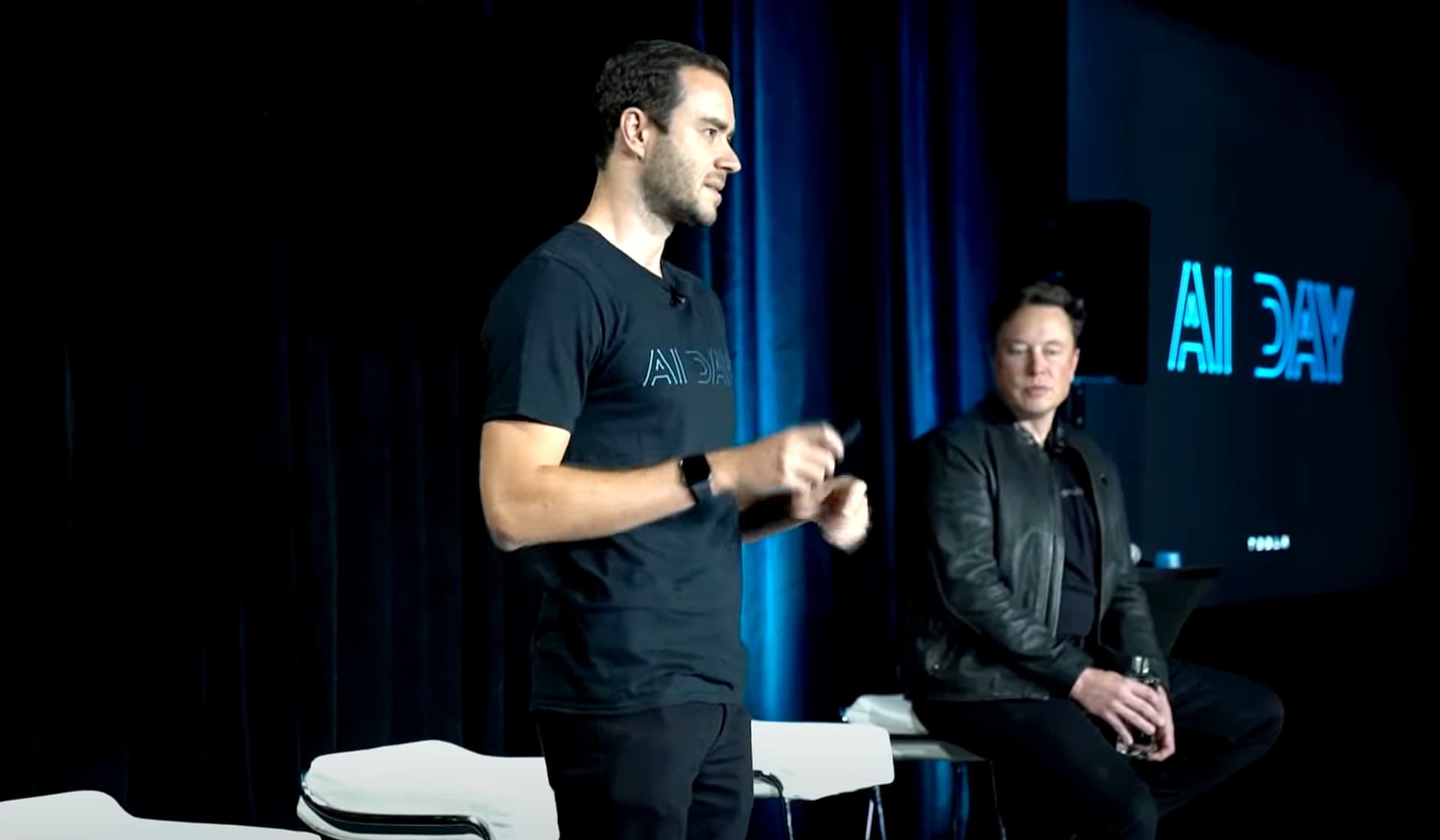
In a recent interview on the No Priors podcast, former OpenAI researcher and Tesla AI director Andrej Karpathy made a provocative claim about why AI agents often fail in practice: "I think to a large extent you feel like it's a skill issue. It's not that the capability is not there; it's that you just haven't found a way to string together what's available."
Karpathy specifically pointed to poor instructions and inadequate tooling as the primary culprits: "Like, I didn't give good enough instructions to the agents in the file, or whatever it may be. I don't have a nice enough memory tool that I put in there, or something like that. So, it all kind of feels like a skill issue when it doesn't work to some extent."
The Parallel Agent Workflow
Karpathy described a workflow inspired by AI researcher Pierce, who famously works with multiple Codex agents simultaneously: "They all take about 20 minutes if you run them correctly and use high effort. You have multiple—you know, 10 or 20—pull requests checked out."
The key insight is moving from micro to macro actions: "It's just like you can do much larger macro actions. It's not just, 'Here's a line of code, here's a new function.' It's like, 'Here's a new functionality, delegate it to agent one. Here's a new functionality that's not going to interfere with the other one, give it to agent two.'"
Examples of these macro actions include:
- One agent conducting research
- Another writing code
- Another developing implementation plans
- All operating in parallel over a shared repository
The Human Role: Review and Orchestration
Karpathy emphasizes that humans become "Pierce tenders"—orchestrators who review agent outputs: "Then, you try to review their work as best as you can, depending on how much you care about that code."
He describes this as developing "muscle memory": "You're just trying to become really good at it and develop a muscle memory for it. It's very rewarding when it actually works, but it's also a new thing to learn. Hence, the psychosis."
The workflow requires identifying independent tasks that won't interfere with each other, delegating them appropriately, and establishing review processes based on the importance of each output.