Recent disclosures have clarified a significant strategic divergence between two of artificial intelligence's most influential organizations. While OpenAI pursued controversial partnerships with major tech corporations, Anthropic—creator of the Claude AI system—apparently negotiated fundamentally different terms that preserved greater independence and aligned with its constitutional AI principles.
The Emerging Narrative
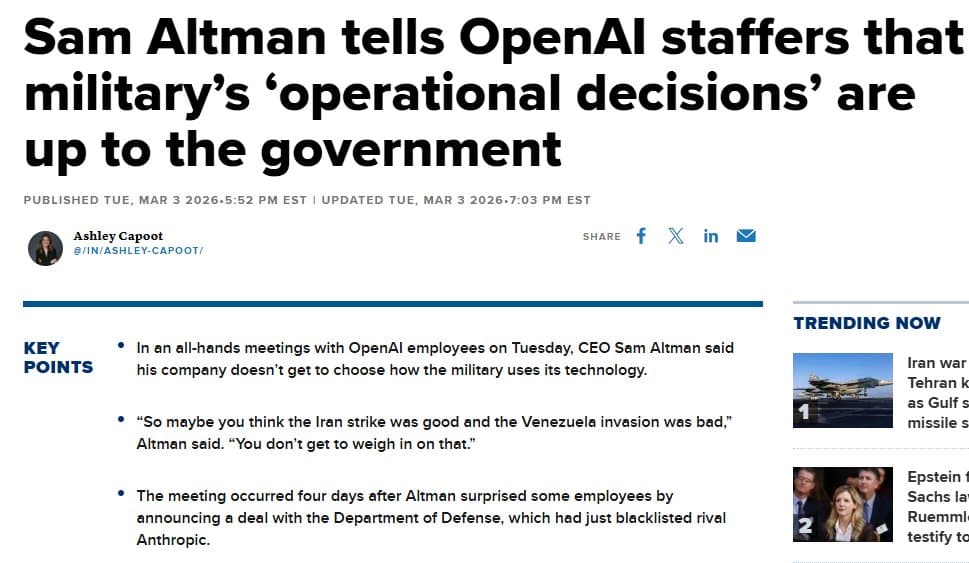
According to analysis of available information, Anthropic engaged in partnership discussions under terms that differed substantially from those pursued by OpenAI. This distinction appears significant enough that OpenAI CEO Sam Altman's previous suggestions that Anthropic sought similar arrangements now appear misleading or misinformed.
This clarification comes amid growing scrutiny of AI company governance structures and their implications for technology development trajectories. The distinction matters because partnership terms directly influence how AI systems are developed, deployed, and governed—with potentially profound societal consequences.
Constitutional AI vs. Corporate Partnerships
Anthropic's approach stems from its foundational "Constitutional AI" framework, which embeds ethical principles directly into AI training processes. This methodology represents more than just technical innovation—it reflects a philosophical commitment to developing AI that aligns with human values through transparent, principled processes.
Unlike traditional corporate partnerships that might prioritize commercial objectives, Anthropic's model appears designed to maintain alignment with its constitutional principles while securing necessary resources for development. This balancing act represents one of the most challenging aspects of responsible AI development in a competitive landscape.
The Governance Implications
The emerging details about Anthropic's different partnership approach highlight broader questions about AI governance models. As AI systems grow more powerful, the structures governing their development become increasingly consequential. Anthropic's apparent insistence on terms that preserve its ethical framework suggests recognition that partnership structures can fundamentally shape technology outcomes.
This contrasts with OpenAI's transformation from a nonprofit research organization to a capped-profit entity with complex corporate relationships. The different paths reflect divergent philosophies about how to responsibly develop advanced AI while securing necessary capital and computational resources.
Industry Context and Competitive Dynamics
The AI industry currently operates within a paradoxical environment where enormous computational resources are required for cutting-edge development, yet concentration of these resources raises concerns about power imbalances and innovation constraints. Anthropic's approach appears designed to navigate this landscape without compromising its core principles.
This strategic divergence occurs against a backdrop of intensifying competition in foundation model development. While some organizations pursue aggressive commercialization strategies, others—like Anthropic—appear more focused on maintaining alignment with stated ethical commitments, even at potential competitive disadvantage.
Transparency and Accountability Questions
The clarification about Anthropic's different partnership terms raises important questions about transparency in AI industry communications. When industry leaders make claims about competitors' practices, these statements can influence public perception, regulatory approaches, and investment decisions.
The emerging picture suggests that partnership negotiations in the AI sector involve complex considerations beyond mere financial terms. Governance structures, ethical safeguards, and long-term alignment mechanisms appear central to these discussions, particularly for organizations like Anthropic with explicitly stated constitutional principles.
Future Implications for AI Development
Anthropic's apparent success in negotiating partnerships that preserve its constitutional approach could influence how other AI labs structure their own collaborations. If this model proves sustainable, it might demonstrate that ethical commitments need not be sacrificed for resource acquisition—a potentially transformative precedent for the industry.
This development also highlights the importance of scrutinizing partnership details rather than accepting surface-level narratives about industry practices. As AI systems grow more influential, understanding the governance structures behind their development becomes increasingly crucial for policymakers, researchers, and the public.
Source: Analysis based on available information about Anthropic and OpenAI partnership approaches