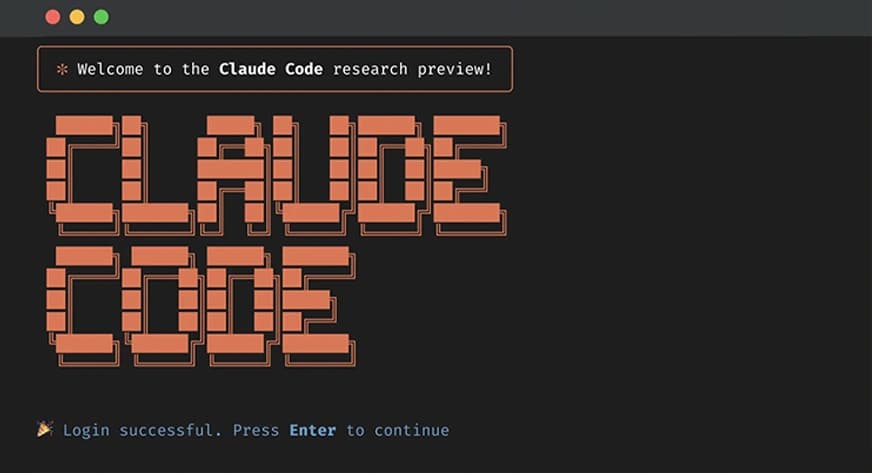
Modern coding agents like Claude Code are exceptional at implementing functional solutions. With validation loops, you can trust the code will work. But will it be good code? Too often, agent-generated code violates decades of established software design principles—SOLID, DRY, proper API design—creating technical debt that compounds with every subsequent change.
Arxitect solves this by adding specialized architecture review agents directly to your Claude Code client. Inspired by the Superpowers plugin concept, it extends agentic assistance from "does it run?" to "is it well-designed?"
What Arxitect Does
Arxitect provides sub-agents and skills that automatically trigger when Claude Code determines architectural review is relevant. Instead of generic code review, it offers three specialized reviewers:
API Design Reviewer examines naming conventions, method signatures, parameter design, type safety, and REST endpoint structure.
Object Oriented Design Reviewer checks SOLID principles, DRY violations, composition versus inheritance choices, and design pattern applicability.
Clean Architecture Reviewer evaluates component cohesion (REP, CRP, CCP), component coupling (ADP, SDP, SAP), and quality attributes like maintainability and testability.
The plugin includes two main agents:
@architectplans and implements changes using best practices@architecture-reviewreviews existing code for adherence to those practices
And four skills accessible via slash commands:
/architectfor implementation/architecture-reviewfor general review/api-design-reviewfor API-specific audits/oo-design-reviewfor OO principle checks/clean-architecture-reviewfor architectural assessment
How To Install It Right Now
Installation takes three commands in your Claude Code terminal:

/plugin marketplace add andonimichael/arxitect
/plugin install arxitect@arxitect
/reload-plugins
Once installed, the agents integrate seamlessly with Claude Code's existing workflow. When you ask Claude to implement a feature, it can now delegate architectural planning to the @architect agent. Or you can manually trigger reviews on existing codebases.
When To Use Arxitect
During major refactors: Before rewriting a module, run /architecture-review on the current implementation to identify design flaws you should avoid repeating.

After agent-generated changes: Make /oo-design-review part of your post-implementation checklist, especially for complex class hierarchies.
When designing new APIs: Use /api-design-review early in the development cycle to catch poor endpoint design before it's cemented.
For legacy code onboarding: Run all three reviewers on unfamiliar codebases to quickly understand architectural strengths and weaknesses.
The Bigger Picture: Why This Matters Now
As Claude Code usage grows (tracking 14.8M+ commits according to recent dashboard data), the quality of agent-generated code becomes critical. Without tools like Arxitect, teams risk accumulating technical debt faster than ever—precisely when agents should be helping reduce it.
Design principles weren't created just for humans. SOLID, DRY, and Clean Architecture reduce the context needed to understand code, minimize bug surface area, and make future modifications easier—benefits that apply equally to both human developers and AI agents.
Arxitect represents a shift from agents that merely write code to agents that write good code. It's not about replacing human architects, but about giving Claude Code the architectural awareness that prevents myopic implementations.