Key Takeaways
- A Bain & Company and Comité Colbert report finds luxury shoppers adopting AI for discovery faster than brands.
- It calls AI a strategic priority for reinventing customer experience.
What Happened
A new report from Bain & Company, in partnership with the Comité Colbert, reveals a growing disconnect in the luxury sector: customers are rapidly adopting artificial intelligence for product search and discovery, while many luxury brands are still in the early stages of integrating AI into their own operations.
The study, covered by multiple outlets including FashionNetwork USA, JCK Online, and WWD, positions AI as a "strategic priority" for luxury houses. The core finding is that consumer behavior has shifted ahead of corporate strategy. Shoppers are using AI tools — from generative search to visual discovery — to find, evaluate, and engage with luxury products, creating an expectation that brands must meet or risk losing relevance.
Bain and Comité Colbert argue that the luxury industry must "reinvent customer discovery and experience" to align with this new AI-native consumer behavior. The report does not prescribe specific technologies but frames AI adoption as an existential competitive necessity, not an optional upgrade.
Why This Matters for Retail & Luxury
For luxury executives, this report should serve as a wake-up call. The gap between consumer AI adoption and brand AI readiness is widening. Key implications include:
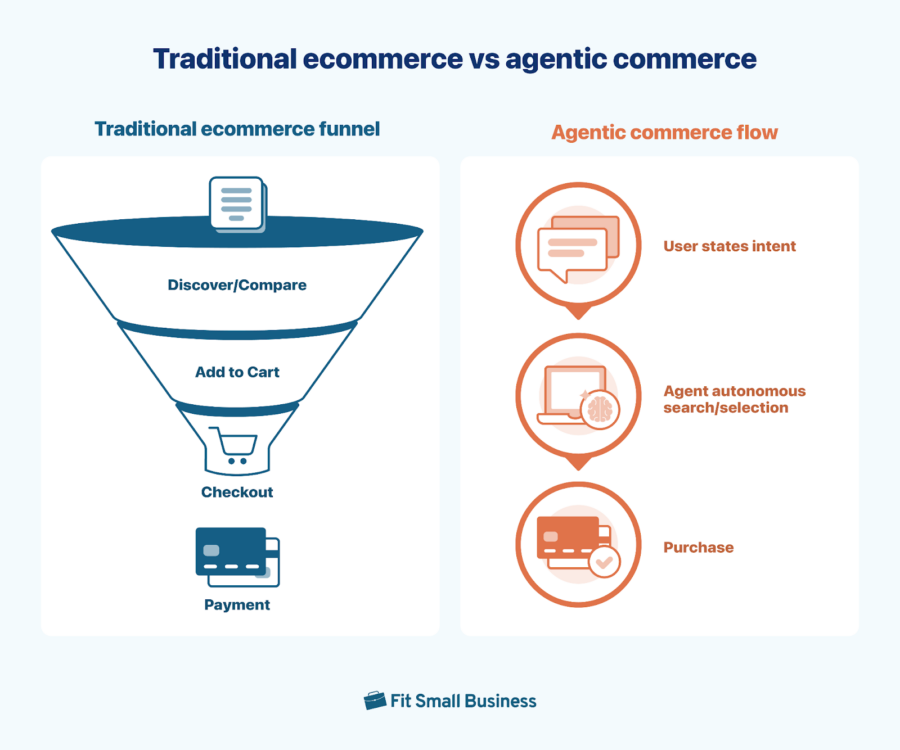
- Search and Discovery: Luxury shoppers increasingly use AI-powered search (Google SGE, ChatGPT, Perplexity) and visual tools (Pinterest Lens, Google Lens) to discover products. Brands that optimize for AI-driven discovery — through structured product data, rich metadata, and AI-friendly content — will capture this traffic.
- Personalization at Scale: AI enables hyper-personalized recommendations based on browsing behavior, purchase history, and even contextual signals (occasion, season, mood). Luxury brands that deploy AI recommendation engines can replicate the in-store concierge experience online.
- Customer Service: AI chatbots and virtual assistants are becoming the first point of contact for luxury shoppers. Brands that deploy sophisticated, brand-aligned AI agents can maintain high service standards while scaling.
- Content Creation: Generative AI for product descriptions, lookbooks, and social media content can reduce time-to-market for campaigns while maintaining brand voice consistency.
Business Impact
While the report does not provide specific quantified ROI figures, the strategic framing is clear: early AI adopters in luxury will capture market share and customer loyalty. Brands that delay risk being invisible to AI-driven discovery channels.
Historically, luxury has been slower to adopt digital transformation due to concerns about brand dilution and loss of exclusivity. However, the Bain report suggests that the cost of inaction now outweighs those risks. AI is not just a tool for efficiency; it is becoming the primary interface through which new luxury customers discover and engage with brands.
Implementation Approach

For luxury brands looking to close the AI gap, the report implies a multi-phase approach:
- Audit Current AI Readiness: Assess how AI tools currently surface your products. Test queries on major AI search platforms and identify gaps in discoverability.
- Data Infrastructure: Ensure product catalogs are structured with rich metadata (materials, craftsmanship, heritage, sizing) that AI models can parse. This is foundational for AI-driven search and recommendation.
- Deploy AI Agents for Customer Service: Start with low-risk, high-value use cases like virtual shopping assistants that can answer product questions and provide styling advice.
- Integrate AI into Marketing: Use generative AI for personalized email campaigns, social media content, and dynamic ad creative that adapts to individual customer preferences.
- Monitor and Iterate: AI adoption is not a one-time project. Continuously measure performance against customer engagement metrics and adjust strategy.
Governance & Risk Assessment
Luxury brands must navigate AI adoption carefully. Key risks include:
- Brand Dilution: AI-generated content must be tightly controlled to maintain the brand's voice, aesthetic, and exclusivity. A poorly tuned AI chatbot can damage brand perception.
- Data Privacy: Luxury customers expect discretion. Any AI system handling customer data must comply with GDPR and other privacy regulations, with clear opt-in mechanisms.
- Bias and Fairness: AI recommendation algorithms can inadvertently reinforce biases or exclude certain customer segments. Regular audits are necessary.
- Maturity Level: The technology is still maturing. Luxury brands should pilot AI in controlled environments before full-scale deployment.
gentic.news Analysis
The Bain & Comité Colbert report is notable not for groundbreaking technical insight but for its authoritative framing. When two of the most respected institutions in luxury consulting and industry representation declare AI a "strategic priority," it signals a shift in boardroom conversations. The report's core message — that consumer behavior has already changed — is a powerful catalyst for action.
From a technical perspective, the report's recommendations align with broader trends in AI-powered search and discovery. The rise of Retrieval-Augmented Generation (RAG) and AI agents means that brands must treat their product data as a first-class input to AI systems. This requires investment in data infrastructure, metadata standardization, and API readiness. Luxury brands that have historically relied on curated, human-driven discovery must now build digital bridges to AI-native consumers.
Google's recent developments in AI — including Gemini models, TPU infrastructure, and the ADK Go framework — provide the underlying technology stack. However, the report does not endorse any specific vendor. The key takeaway is strategic: luxury brands must move from passive digital presence to active AI integration. The window of opportunity is narrow; early movers will define the AI-luxury interface, while laggards will find themselves invisible to the next generation of affluent shoppers.
Source: news.google.com