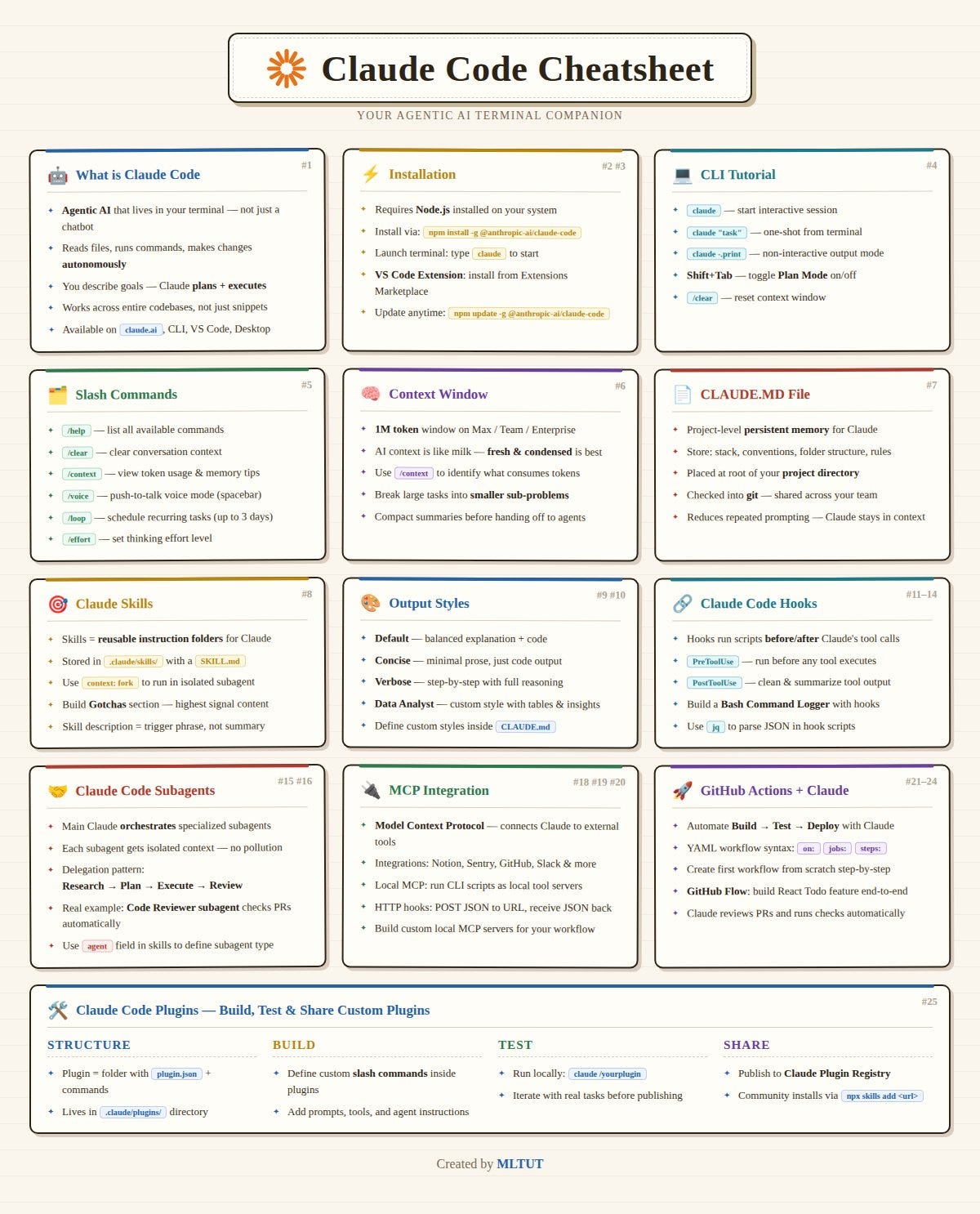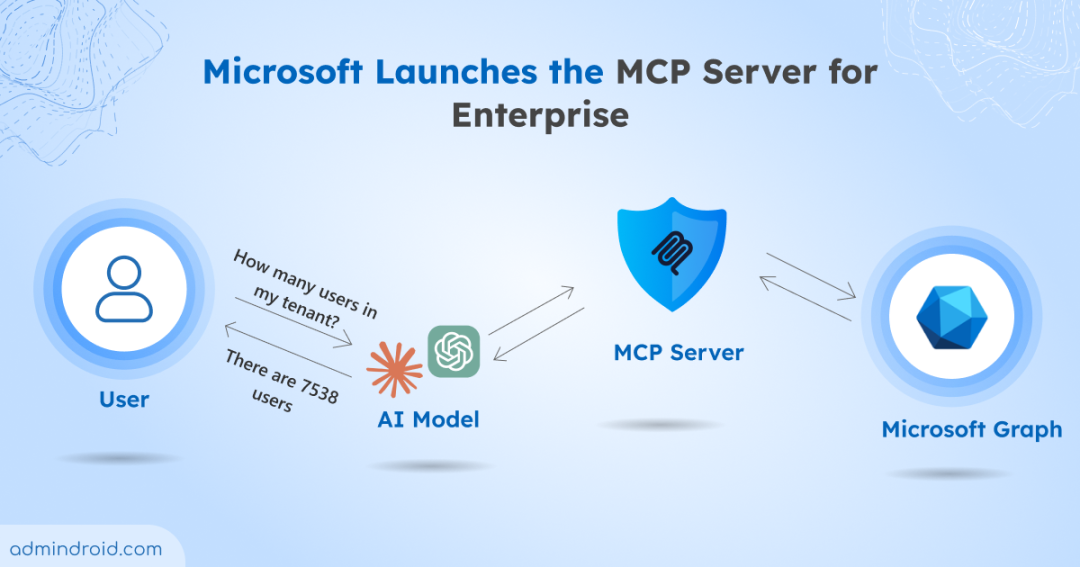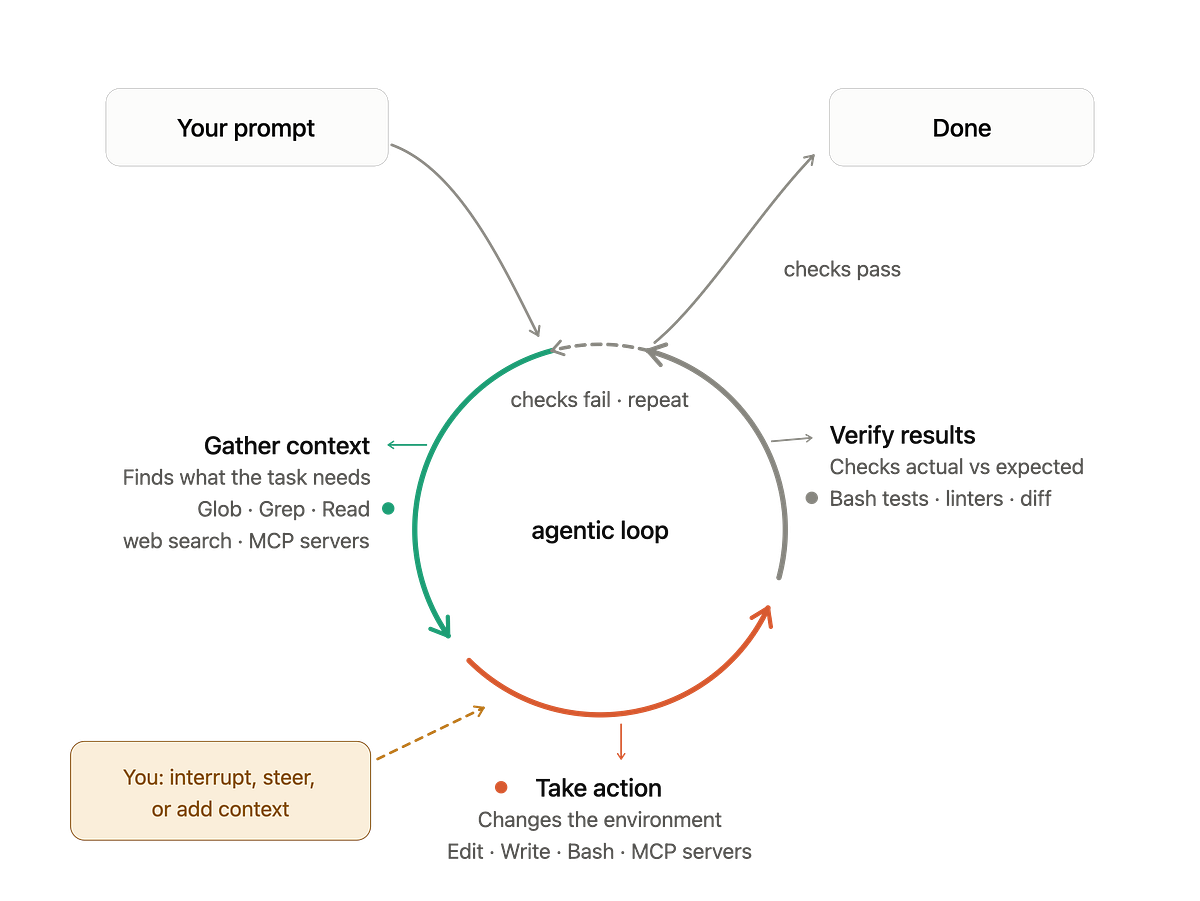
BitGo, a major institutional cryptocurrency custodian, has launched an official Model Context Protocol (MCP) server. This isn't just another crypto API wrapper—it's a production-ready tool that lets Claude Code interact with blockchain data through a secure, standardized interface.
What It Does — Secure Crypto Queries Without Key Exposure
The BitGo MCP server provides Claude Code with direct access to wallet information and blockchain data through BitGo's infrastructure. Unlike connecting directly to RPC nodes or exposing private keys, this server uses BitGo's multi-signature security model and institutional-grade APIs.
Key capabilities include:
- Wallet balance queries across multiple blockchains
- Transaction history lookup with detailed metadata
- Address validation and format checking
- Blockchain state queries (current block height, gas prices)
- Multi-signature wallet operations (view-only, no signing)
This follows Google's recent launch of their official Workspace MCP endpoint on March 25th, showing major platforms are standardizing on MCP for AI integration.
Setup — Install and Configure in 5 Minutes
Installation is straightforward via Claude Code's MCP server system:
# Install the BitGo MCP server
npm install -g @bitgo/mcp-server

# Configure in your Claude Code settings
# Add to ~/.config/claude-code/mcp-servers.json
{
  "bitgo": {
    "command": "bitgo-mcp-server",
    "args": ["--api-key", "YOUR_BITGO_API_KEY"],
    "env": {
      "BITGO_ENV": "test"  # or "prod" for mainnet
    }
  }
}
You'll need a BitGo API key from their developer portal. The server supports both testnet and mainnet environments, letting you develop against test networks before deploying to production.
When To Use It — Specific Crypto Development Workflows
This server shines in several Claude Code workflows:
1. Smart Contract Development with Real Balance Checks
When writing Solidity or Vyper contracts, you can now query actual wallet balances to test token distribution logic:
"Check if the deployer wallet has enough ETH to cover gas costs for this contract deployment"
2. Transaction Monitoring and Alerting
Build monitoring scripts that trigger when specific addresses receive funds:
"Watch this wallet for incoming USDC transfers above $10,000 and log them to our alert channel"
3. Multi-Signature Wallet Management
Review pending transactions and wallet configurations for institutional setups:
"List all pending transactions requiring my signature across our organization's wallets"
4. Blockchain Data for dApp Development
Get real-time gas prices, block times, and network status when building decentralized applications:
"What's the current average gas price on Ethereum mainnet? Optimize this contract's gas usage accordingly."
This aligns with our March 25th coverage of MCP servers for major IaC tools—the ecosystem is expanding beyond traditional DevOps into specialized domains like crypto.
Security Considerations
The BitGo MCP server is designed for read-only operations by default. It cannot sign transactions or move funds without additional authorization through BitGo's approval workflows. This makes it safe for development environments where you need blockchain data but shouldn't have signing capabilities.
For teams already using BitGo for institutional custody, this provides a seamless way to bring wallet data into Claude Code without compromising security policies.
Performance Notes
Based on our March 21st benchmark revealing MCP servers add 37% more input tokens compared to CLI commands, consider using the BitGo server for complex queries rather than simple balance checks. For frequent, simple operations, you might still want direct API calls in your scripts.
However, the standardization benefit is significant: once configured, Claude Code understands the BitGo tools natively and can suggest relevant operations based on your context.