What Happened

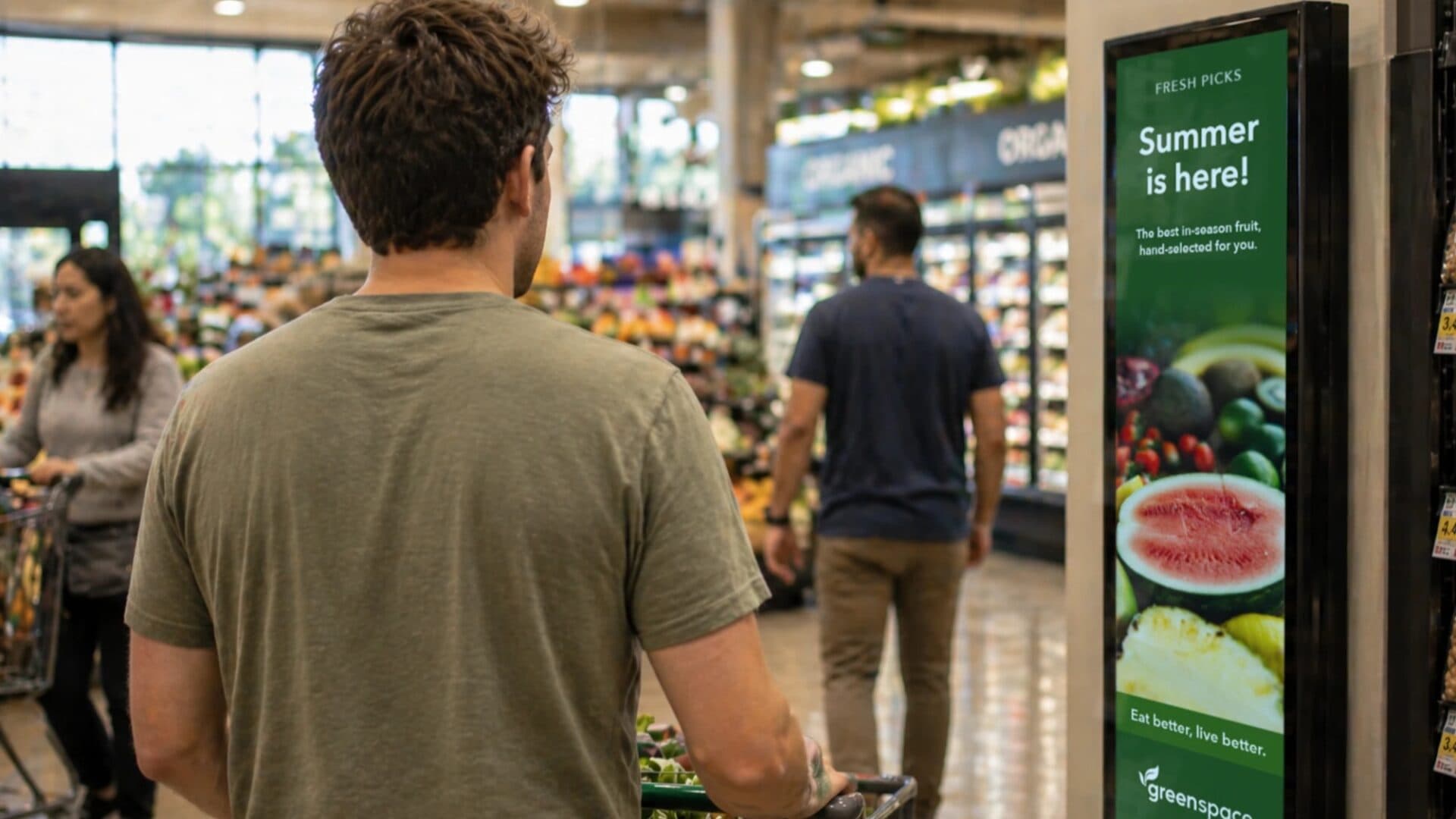
Bluezoo, a company specializing in digital signage and analytics, has launched an AI agent designed for in-store video advertising. The agent uses computer vision and machine learning to analyze how shoppers engage with video ads displayed on in-store screens, then adjusts ad content and placement in real time to maximize impact.
This is a direct application of AI agents — autonomous software systems that use large language models and other AI to perceive their environment, make decisions, and take actions — to the physical retail space. Instead of relying on static playlists or manual scheduling, the Bluezoo agent continuously learns from shopper behavior and adapts the advertising experience accordingly.
Technical Details
The Bluezoo AI agent integrates with existing digital signage infrastructure. It processes video feeds from cameras mounted near screens to detect dwell time, gaze direction, and foot traffic patterns. Using this data, the agent selects which ads to play, when to rotate them, and even which creative variants to show.
Key capabilities:
- Real-time audience measurement without facial recognition (privacy-preserving computer vision)
- Dynamic ad sequencing based on engagement metrics
- A/B testing of creative elements at scale
- Integration with point-of-sale data to correlate ad exposure with purchase behavior
Retail & Luxury Implications
For retailers and luxury brands, this technology addresses a persistent challenge: measuring the ROI of in-store digital signage. Unlike online advertising, where clicks and impressions are easily tracked, in-store video has historically been a black box. Bluezoo's agent brings programmatic-like optimization to physical retail.
Potential use cases:
- Luxury boutiques: Adjusting video content based on the demographics of shoppers currently in the store — showing heritage stories to older clients, new collection teasers to younger ones.
- Department stores: Rotating ads for categories that are underperforming or overstocked, based on real-time sales data integration.
- Pop-up shops: Rapidly testing and optimizing ad creative without human intervention.
Business Impact
While Bluezoo has not published quantified results, the broader trend of AI-driven in-store analytics is well-documented. A 2025 McKinsey report found that retailers using AI for in-store optimization saw 10-20% increases in conversion rates and 5-15% reductions in wasted ad spend. For luxury brands with high-cost storefronts, even small improvements in ad effectiveness can translate to significant revenue gains.
Implementation Approach
Deploying Bluezoo's AI agent requires:
- Compatible digital signage hardware (most modern screens)
- Privacy-compliant camera installation
- Cloud or edge processing for computer vision
- Integration with existing ad management systems
Complexity is moderate — comparable to deploying a standard analytics platform. Retailers should budget for hardware upgrades and ongoing AI model training costs.
Governance & Risk Assessment
- Privacy: Bluezoo claims privacy-preserving computer vision (no facial recognition). Retailers must still comply with local regulations (GDPR, CCPA).
- Bias: The AI agent's optimization could inadvertently favor certain demographics if training data is skewed. Regular auditing is recommended.
- Maturity: This is an early-stage product. While the technology is proven in digital advertising, its application to in-store video is novel. Expect iterative improvements.
Source: news.google.com