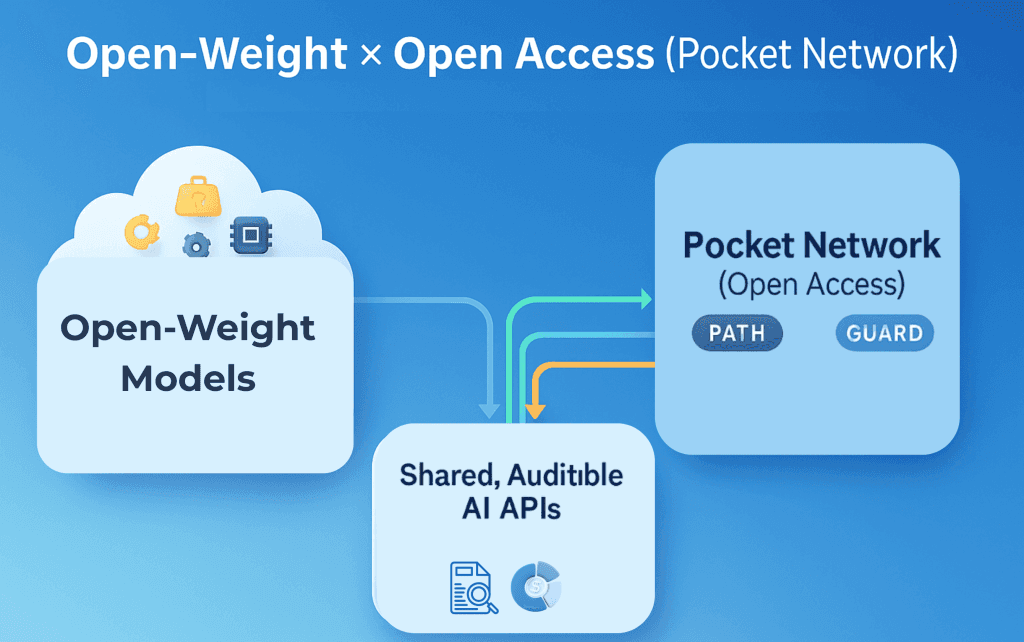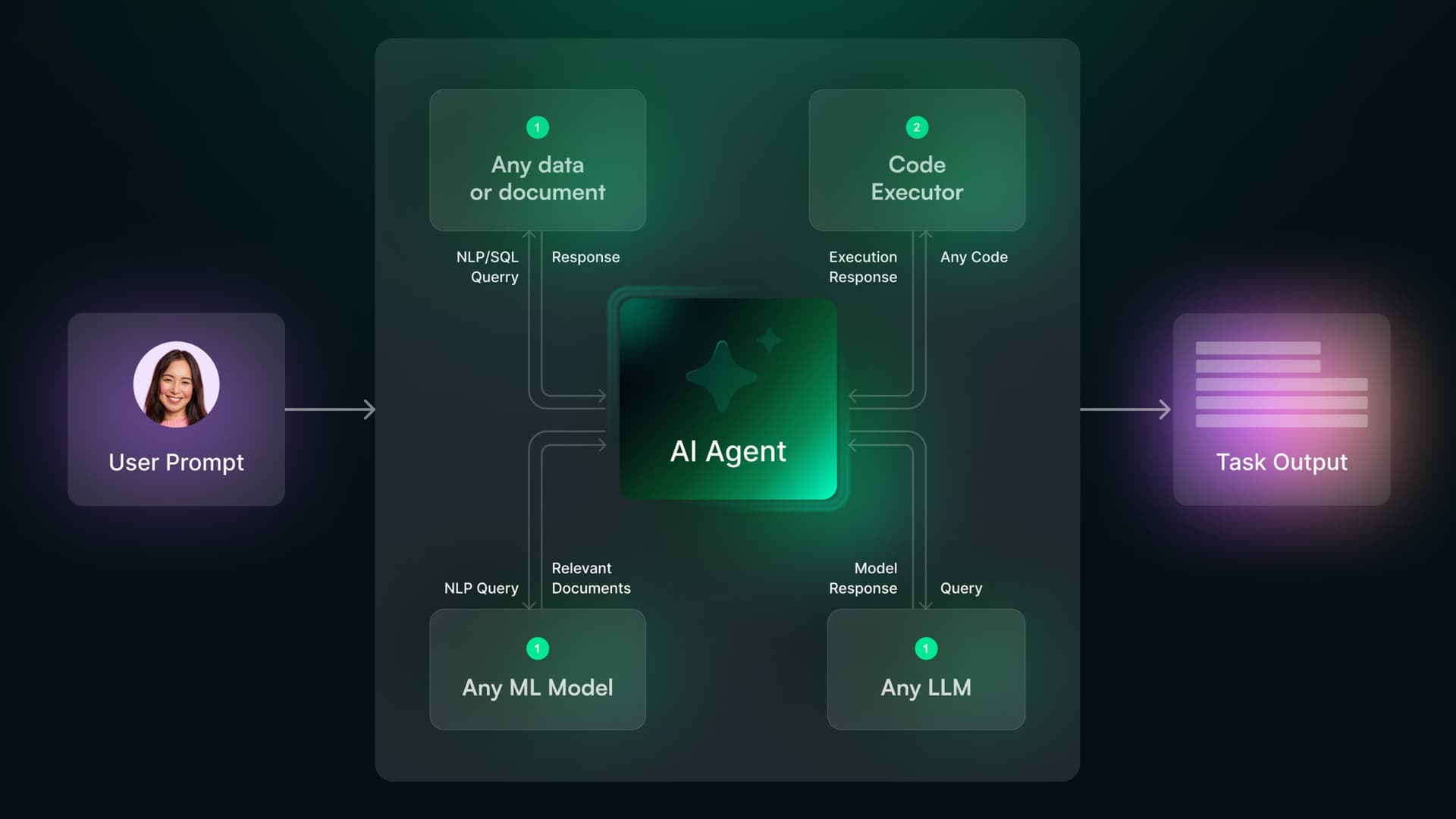
A developer has demonstrated a significant step toward autonomous AI software development. By giving an AI agent its own computer, the agent—named CatDoes—now takes a single natural language prompt and autonomously builds, packages, and ships a functional mobile app or website.
Key Takeaways
- A developer gave an AI agent its own computer; the agent, CatDoes, now autonomously builds and ships mobile apps from a single text prompt.
- This demonstrates a shift from code assistants to fully autonomous software development agents.
What Happened
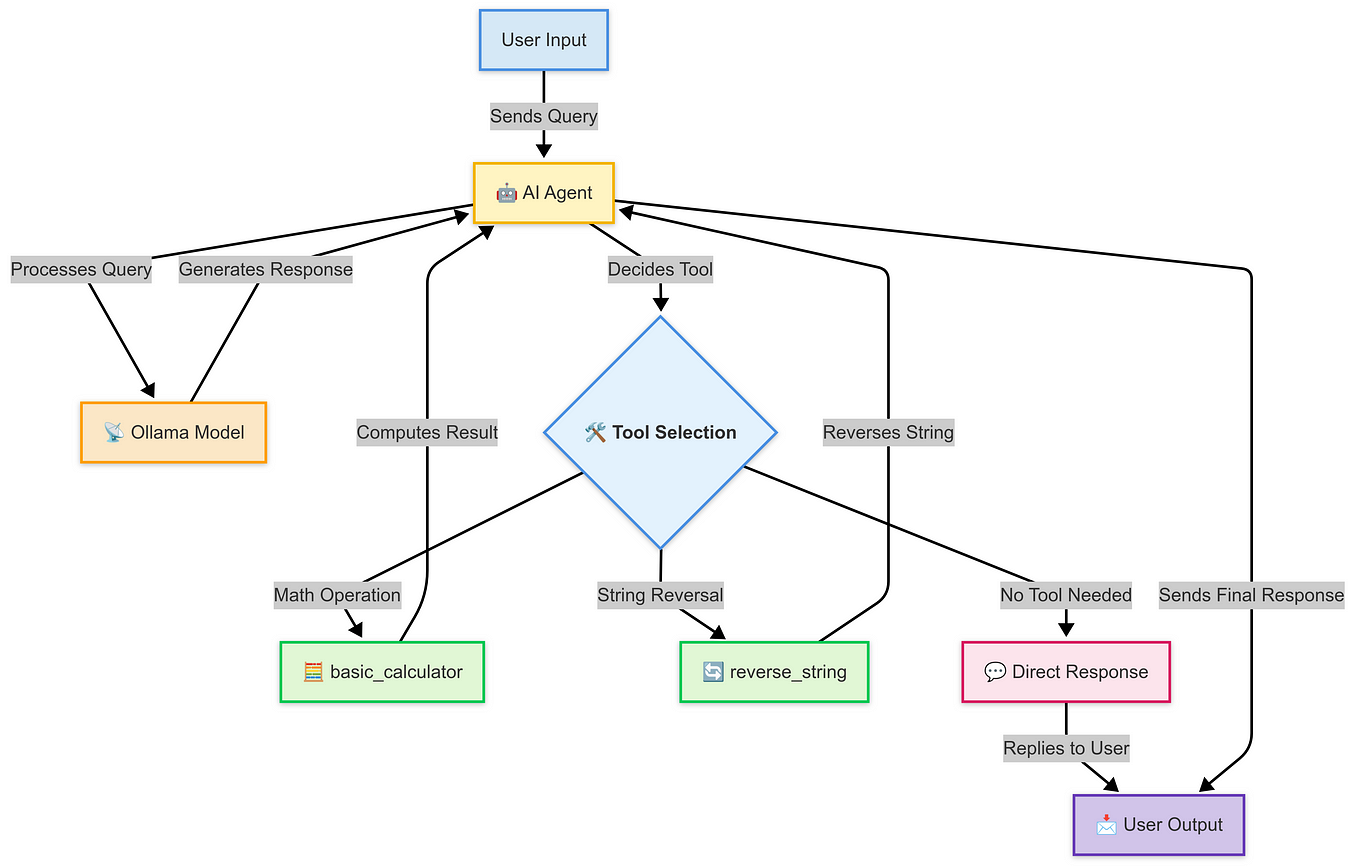
The demonstration, shared on social media, shows a simple workflow: a user types a description of what they want (e.g., "a to-do list app with a dark mode") into the CatDoes interface. The AI agent then takes over. It has access to a dedicated computer, which it uses to execute the full software development lifecycle: planning the architecture, writing the code, managing dependencies, building the application, and finally, shipping the finished product. The output is a deployable app, ready for distribution.
Context
This moves beyond the current paradigm of AI coding assistants like GitHub Copilot or Cursor, which act as pair programmers that suggest code snippets and complete functions within an existing IDE. CatDoes represents an agentic approach: a single AI that can break down a high-level goal, make sequential decisions, execute code, handle errors, and complete the task end-to-end without human intervention in the loop.
The underlying technology likely combines a large language model (LLM) with agent frameworks that enable tool use (e.g., accessing a file system, running build commands, using app publishing APIs) and recursive task decomposition. The agent's "own computer" is a critical component, providing a sandboxed environment where it can execute code safely and with the necessary permissions to install packages and run compilers.
What This Means in Practice
For developers and product teams, this suggests a near-future workflow where prototyping and building simple, standard applications could be fully automated. A product manager or entrepreneur could describe a concept and receive a working MVP (Minimum Viable Product) minutes later, drastically reducing the time and cost from idea to first build.
However, the complexity of apps it can reliably build is untested. The demo likely showcases relatively simple, template-style applications. The real challenge for such agents will be handling complex business logic, unique UX requirements, and integrating with specific backend systems.
gentic.news Analysis
This development is a direct progression in the AI Software Development trend we've been tracking. It sits at the intersection of two major vectors: the evolution of coding LLMs (like DeepSeek-Coder, CodeLlama, and OpenAI's o1 models) and the push toward AI agents. We previously covered the launch of Devin by Cognition AI, which billed itself as the first AI software engineer. CatDoes appears to be a similar, perhaps more accessible, implementation of that vision.
The key differentiator here is the emphasis on shipping. Many AI coding tools stop at generating code in a repository. CatDoes's advertised capability to handle the entire pipeline—through to a built and distributable artifact—addresses a major friction point. If reliable, this could significantly lower the barrier for non-technical founders and accelerate internal tool development within companies.
This also raises immediate questions about security, code quality, and maintenance. An agent building and shipping code autonomously must have robust safeguards against introducing vulnerabilities or licensing issues. Furthermore, who maintains the app after it's shipped? The next logical step for agents like CatDoes is not just creation, but ongoing iteration, bug fixing, and feature updates based on user feedback—a truly autonomous software lifecycle.
Frequently Asked Questions
What is CatDoes?
CatDoes is an AI agent that autonomously builds and ships mobile apps or websites from a single natural language description. It operates on its own dedicated computer to execute the full development process.
How is CatDoes different from GitHub Copilot?
GitHub Copilot is an AI-powered code completion tool that works inside a developer's integrated development environment (IDE). It suggests code snippets and functions. CatDoes is an autonomous agent that performs the entire task from prompt to shipped product without the developer writing any code or managing the build process.
What kind of apps can CatDoes build?
Based on the demonstration, CatDoes is likely optimized for building relatively standard, template-style mobile apps and websites, such as to-do lists, basic calculators, or informational sites. Its capability to handle highly complex, custom applications with unique business logic remains unproven.
Is CatDoes available to use?
The source material shows a demonstration shared on social media. As of this reporting, CatDoes appears to be a project in development or an early prototype. It is not yet a publicly available product with known pricing or access methods.