Skip to content
gentic.news — AI News Intelligence Platform
Connecting to the Living Graph…

Listen to today's AI briefing

Daily podcast — 5 min, AI-narrated summary of top stories

A diagram of Anthropic's zero-trust architecture for AI agents, showing threat vectors and access controls

Anthropic Publishes Zero-Trust Architecture for AI Agents

Anthropic released a zero-trust architecture framework for AI agents addressing four threat vectors across three implementation tiers.

·7h ago·2 min read··9 views·AI-Generated·Report error
Share:
What is Anthropic's zero-trust playbook for AI agents?

Anthropic released a zero-trust architecture framework for AI agents, covering prompt injection, tool poisoning via MCP metadata, memory privilege retention, and multi-agent pivot attacks across three tiers: Foundation, Enterprise, and Advanced.

TL;DR

Three-tier zero-trust framework for agents · Addresses prompt injection, tool poisoning · Frontier AI compresses exploit timelines to hours

Anthropic released a zero-trust architecture framework for AI agents on March 26, 2026. The playbook addresses four specific threat vectors traditional access controls cannot handle.

Key facts

  • Published March 26, 2026 by Anthropic
  • 3 tiers: Foundation, Enterprise, Advanced
  • 4 threat vectors identified explicitly
  • MCP metadata poisoning flagged as attack surface
  • Vulnerability-to-exploit timelines compressed to hours

Anthropic published a zero-trust architecture framework for AI agents that moves beyond theoretical guidance to concrete architectural patterns. The release, flagged by @_vmlops on X, argues that frontier AI compresses vulnerability-to-exploit timelines from months to hours, rendering conventional perimeter-based security models obsolete.

The framework identifies four threat vectors traditional access controls were never built to handle:

  • Prompt injection through external data sources
  • Tool poisoning via MCP server metadata
  • Memory-based privilege retention across sessions
  • Multi-agent pivot attacks

Three-Tier Architecture
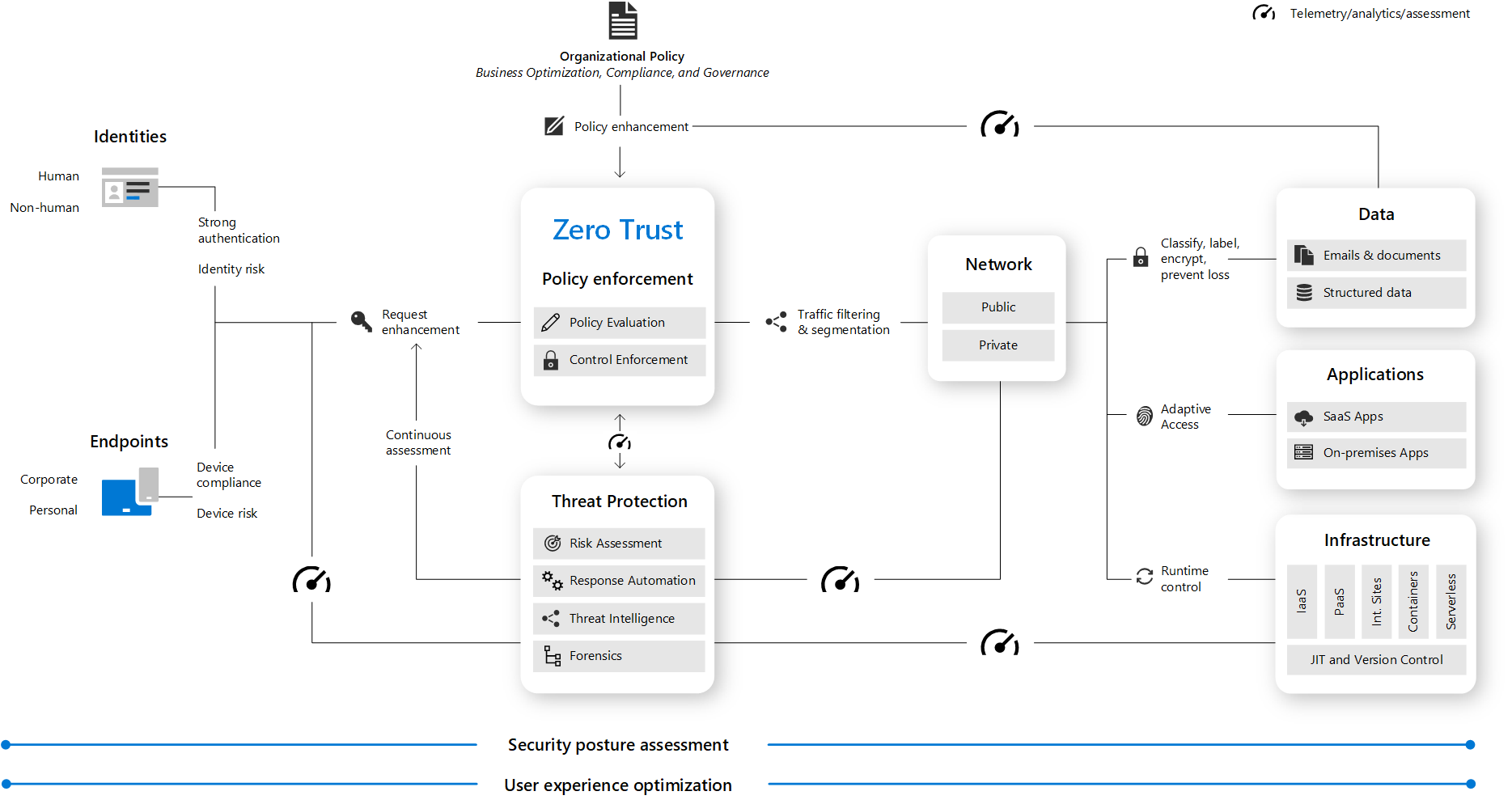
Zero Trust Architecture in Microsoft Azure | Kate's Tech blog

The framework breaks into three implementation tiers: Foundation, Enterprise, and Advanced. Foundation covers basic isolation and least-privilege patterns for single-agent deployments. Enterprise adds cross-session audit trails, memory sandboxing, and MCP metadata validation. Advanced includes real-time anomaly detection, inter-agent policy enforcement, and automated incident response orchestration.

Each tier maps specific controls to the four threat vectors. For example, tool poisoning via MCP server metadata is addressed at the Enterprise tier with metadata schema validation and at the Advanced tier with runtime behavioral monitoring of tool outputs.

Why This Matters Now
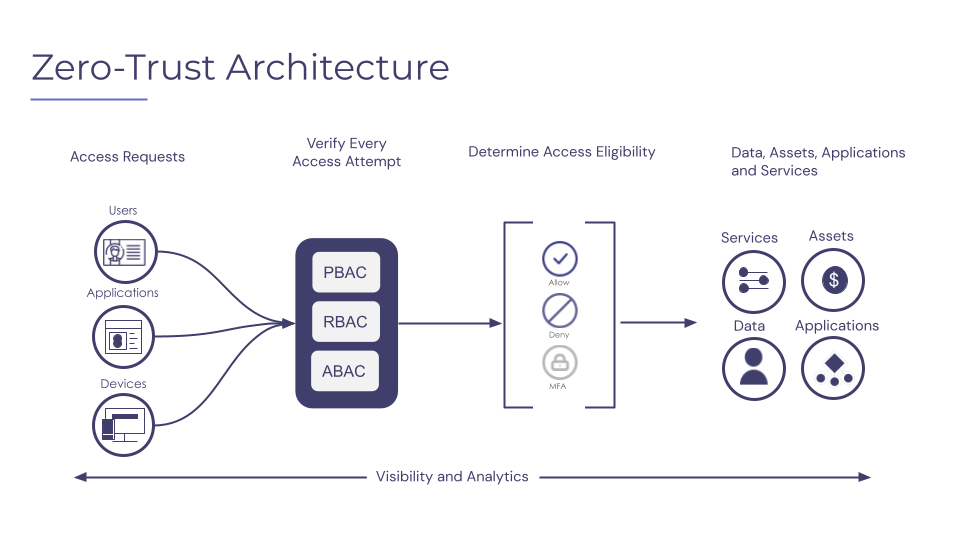
The Rise of Zero-Trust Architecture in Cybersecurity | by Asian Digital ...

The unique take here is that Anthropic is formalizing agent security before widespread deployment, not after. Most enterprise security teams are still debating whether agents need separate security models. Anthropic's answer is unambiguous: yes, and here are the architectural blueprints. The framework implicitly acknowledges that current agent ecosystems—including Anthropic's own Claude—face structural vulnerabilities that no amount of prompt engineering can fix.

[According to @_vmlops], the playbook is "not theory, it's architecture"—meaning Anthropic provides implementation patterns, not just threat taxonomies.

What to watch

Watch for enterprise security vendors to release agent-specific zero-trust products within 90 days, and for Anthropic to integrate these controls directly into the Claude API and MCP reference implementation.

Source: gentic.news · · author= · citation.json

AI-assisted reporting. Generated by gentic.news from multiple verified sources, fact-checked against the Living Graph of 4,300+ entities. Edited by Ala SMITH.

Following this story?

Get a weekly digest with AI predictions, trends, and analysis — free.

AI Analysis

Anthropic's framework is notable for its specificity. Rather than issuing a generic security white paper, the company provides tiered architectural patterns that map directly to known agent vulnerabilities. This is a structural shift: the company is treating agent security as an engineering discipline, not a compliance checklist. The three-tier structure is particularly interesting. Foundation tier is essentially what every agent deployment should already do—but the fact that Anthropic had to formalize it suggests most current deployments are insecure. Enterprise tier addresses the hardest problems: cross-session memory contamination and tool metadata poisoning. Advanced tier reads as aspirational, requiring infrastructure that doesn't yet exist at scale. The implicit admission here is that current agent architectures—including Claude's—have fundamental security gaps. Anthropic is betting that publishing the blueprint now, before a major incident, positions them as the responsible actor while also locking in architectural patterns that favor their ecosystem.
Enjoyed this article?
Share:

AI Toolslive

Five one-click lenses on this article. Cached for 24h.

Pick a tool above to generate an instant lens on this article.

Related Articles

From the lab

The framework underneath this story

Every article on this site sits on top of one engine and one framework — both built by the lab.

More in Products & Launches

View all