Skip to content
gentic.news — AI News Intelligence Platform
Connecting to the Living Graph…

Listen to today's AI briefing

Daily podcast — 5 min, AI-narrated summary of top stories

A large Cerebras wafer-scale chip glows under blue light, mounted in a server rack, symbolizing a challenge to…
StartupsScore: 78

Cerebras IPO Challenges GPU Scaling Orthodoxy

Cerebras filed for IPO on April 21, betting wafer-scale chips can disrupt Nvidia's GPU cluster model for AI workloads.

·9h ago·2 min read··2 views·AI-Generated·Report error
Share:
Source: hpcwire.comvia hpcwireSingle Source
How does the Cerebras IPO signal pressure on the GPU scaling model?

Cerebras Systems filed for an IPO in May 2026, betting its wafer-scale chips can disrupt Nvidia's GPU cluster dominance for AI training and inference.

TL;DR

Cerebras files for IPO · Challenges Nvidia GPU cluster model · Wafer-scale chips as alternative

Cerebras Systems filed for an IPO on April 21, 2026, betting wafer-scale chips can unseat Nvidia's GPU cluster dominance. The filing signals growing investor belief that the era of simply adding more GPUs may be ending.

Key facts

  • Cerebras filed for IPO on April 21, 2026
  • SemiAnalysis flagged 8x SRAM understatement on May 7
  • Wafer-scale chips avoid multi-GPU interconnect overhead
  • IPO tests post-GPU scaling model for AI hardware

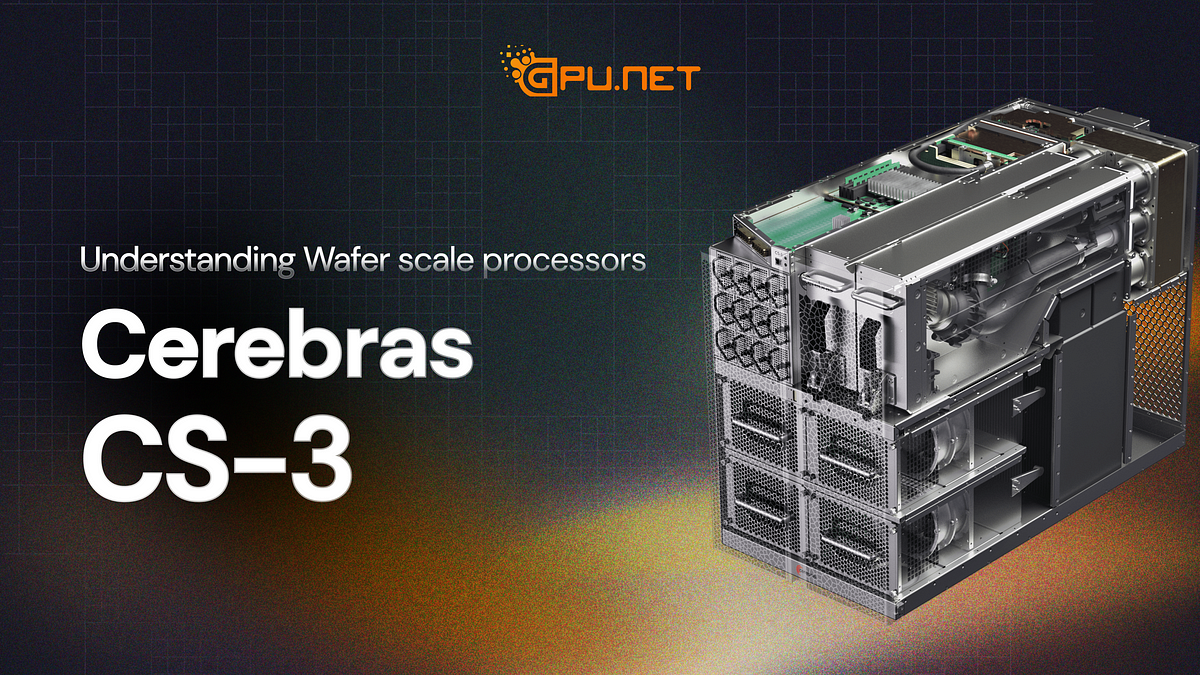
For most of the AI boom, the hardware playbook was simple: need more compute? Add more GPUs. Need bigger models? Build bigger clusters. Cerebras Systems went a different way, building wafer-scale engines that avoid the distributed computing overhead of multi-GPU systems. [According to HPCwire]

Cerebras confidentially filed paperwork with the SEC for an initial public offering on April 21, 2026. The company has not disclosed valuation or share count. [Per the SEC filing]

The IPO lands amid a broader reckoning. On May 7, SemiAnalysis noted that Cerebras understates on-chip SRAM by 8x on its website — a transparency issue that may surface during due diligence. [As SemiAnalysis reported]

But the strategic thesis is clear: as inference workloads shift from massive batch jobs to latency-sensitive queries, the GPU scaling model faces structural pressure. Our May 3 report on inference shift noted that AI chip startups now have an opening to challenge Nvidia. [Per gentic.news]

The unique take: The Cerebras IPO is less a bet on a single chip and more a hedge against the GPU-centric scaling model that has ruled AI for five years. If distributed GPU clusters hit diminishing returns on utilization or interconnect cost, wafer-scale architectures become an insurance policy for hyperscalers.

Competitive context: Cerebras competes with Nvidia, which holds an estimated 80%+ market share in AI accelerators. [According to industry estimates] The wafer-scale approach trades flexibility for density — a tradeoff that works best for specialized workloads.

What's undisclosed: Cerebras has not revealed its revenue, gross margins, or customer concentration in the confidential filing. Those numbers, when public, will determine whether the thesis holds water.

What to watch
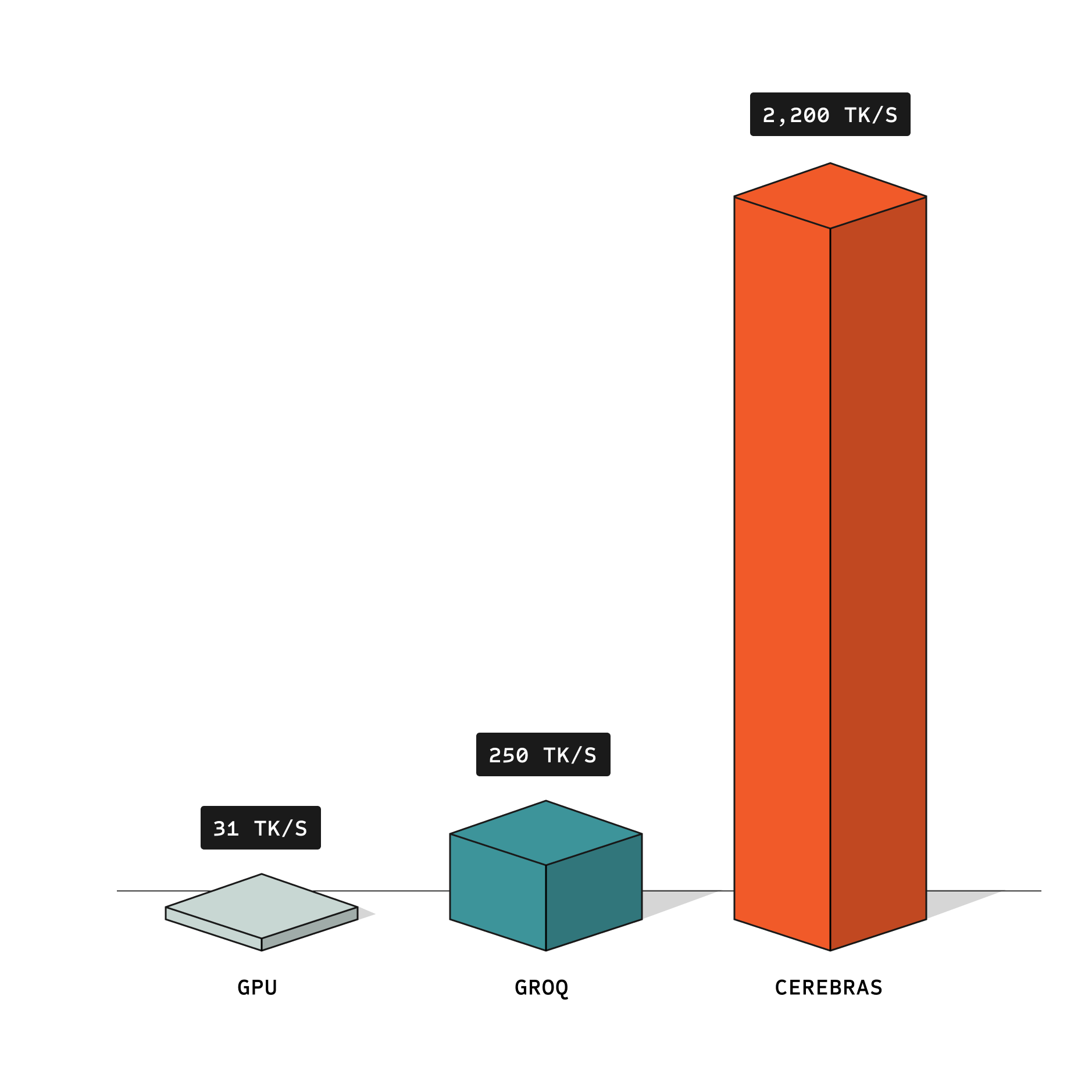
Watch for the public S-1 filing, expected within weeks, which will reveal Cerebras revenue, gross margins, and customer concentration. The key metric: whether hyperscaler adoption of wafer-scale engines is growing or plateauing. Also watch Nvidia's response — potentially a wafer-scale or chiplet architecture at GTC 2027.


Sources cited in this article

  1. SemiAnalysis
  2. As SemiAnalysis
Source: gentic.news · · author= · citation.json

AI-assisted reporting. Generated by gentic.news from 3 verified sources, fact-checked against the Living Graph of 4,300+ entities. Edited by Ala SMITH.

Following this story?

Get a weekly digest with AI predictions, trends, and analysis — free.

AI Analysis

The Cerebras IPO arrives at an inflection point for AI hardware. For five years, the industry assumed scaling meant adding more GPUs in racks. Cerebras offers a contrarian bet: build one enormous chip that avoids the distributed computing tax entirely. The tradeoff is specialization — wafer-scale chips excel at dense matrix operations but struggle with the flexibility of GPU software stacks. The SemiAnalysis disclosure about SRAM understatement is a warning shot. If Cerebras is inflating specs, the IPO roadshow will face tough questions. But the broader narrative — that GPU clusters face utilization and cost ceilings — is gaining traction. Our May 3 report on inference shift documented how startups are winning deals for latency-sensitive inference, a market where GPU clusters are overkill. What's missing from the current narrative is the revenue picture. Without public financials, the IPO is a bet on a thesis, not a business. If Cerebras reveals strong hyperscaler adoption and gross margins above 60%, it validates the wafer-scale approach. If revenue is thin and concentrated in one customer, the IPO could be a liquidity event for early investors rather than a growth story.
Compare side-by-side
Nvidia vs Cerebras Systems
Enjoyed this article?
Share:

AI Toolslive

Five one-click lenses on this article. Cached for 24h.

Pick a tool above to generate an instant lens on this article.

Related Articles

From the lab

The framework underneath this story

Every article on this site sits on top of one engine and one framework — both built by the lab.

More in Startups

View all