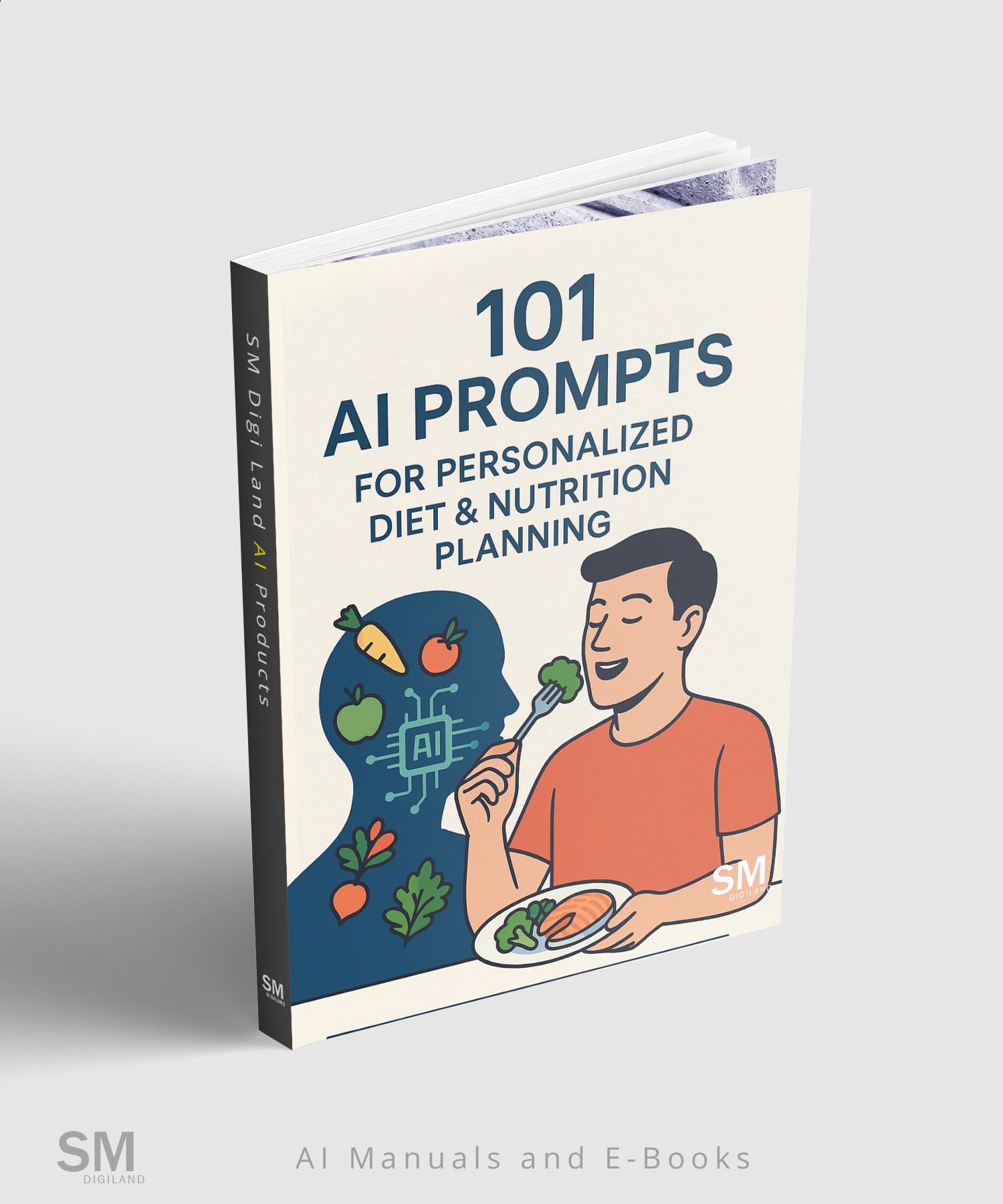
A user on X (formerly Twitter) has highlighted a new, practical application for Anthropic's Claude AI assistant: generating comprehensive weekly meal plans designed to hit specific nutritional goals. The post positions the feature's output as comparable to that of a high-priced registered dietitian, suggesting Claude is expanding its utility beyond general conversation and coding into personalized health and productivity.
Key Takeaways
- Anthropic's Claude AI assistant has been updated to create detailed weekly meal plans tailored to user-defined nutrition targets.
- This feature expansion moves Claude into the health and wellness productivity space, competing with specialized apps.
What Happened
The source is a social media post from a user demonstrating Claude's capability to act as a meal planning assistant. According to the post, a user can provide Claude with their dietary preferences, caloric targets, macronutrient goals (like protein, carb, and fat ratios), and any restrictions (e.g., vegetarian, gluten-free). Claude then generates a full week's menu, including recipes and a shopping list, designed to meet those exact specifications.
This represents a shift from Claude's core competencies in code generation, document analysis, and general reasoning toward applied, daily-life task automation. The comparison to a "$200/hour registered dietitian" frames it as a cost-effective, on-demand alternative to professional nutritional services.
Context & Technical Implications
While not an official product launch from Anthropic, this user demonstration reveals how Claude's underlying capabilities—long-context understanding, instruction following, and structured output generation—are being repurposed by its community. The feature likely relies on:
- Advanced Prompt Engineering: Users are crafting detailed system prompts that define Claude's role as a nutritionist, instructing it to consider nutritional databases, recipe structures, and meal variety.
- Structured Data Output: Claude is being prompted to output plans in organized formats like tables or markdown, making the information immediately actionable.
- Integration of External Knowledge: While Claude's training data includes general nutritional information, highly specific planning requires the model to logically synthesize calories, macros, and ingredient quantities—a complex constraint-satisfaction problem.
This development is part of a broader trend of general-purpose AI assistants (GPT-4, Gemini, Claude) being adapted by users for vertical-specific tasks—from legal document review to personalized fitness coaching—often ahead of official feature releases from the parent companies.
gentic.news Analysis
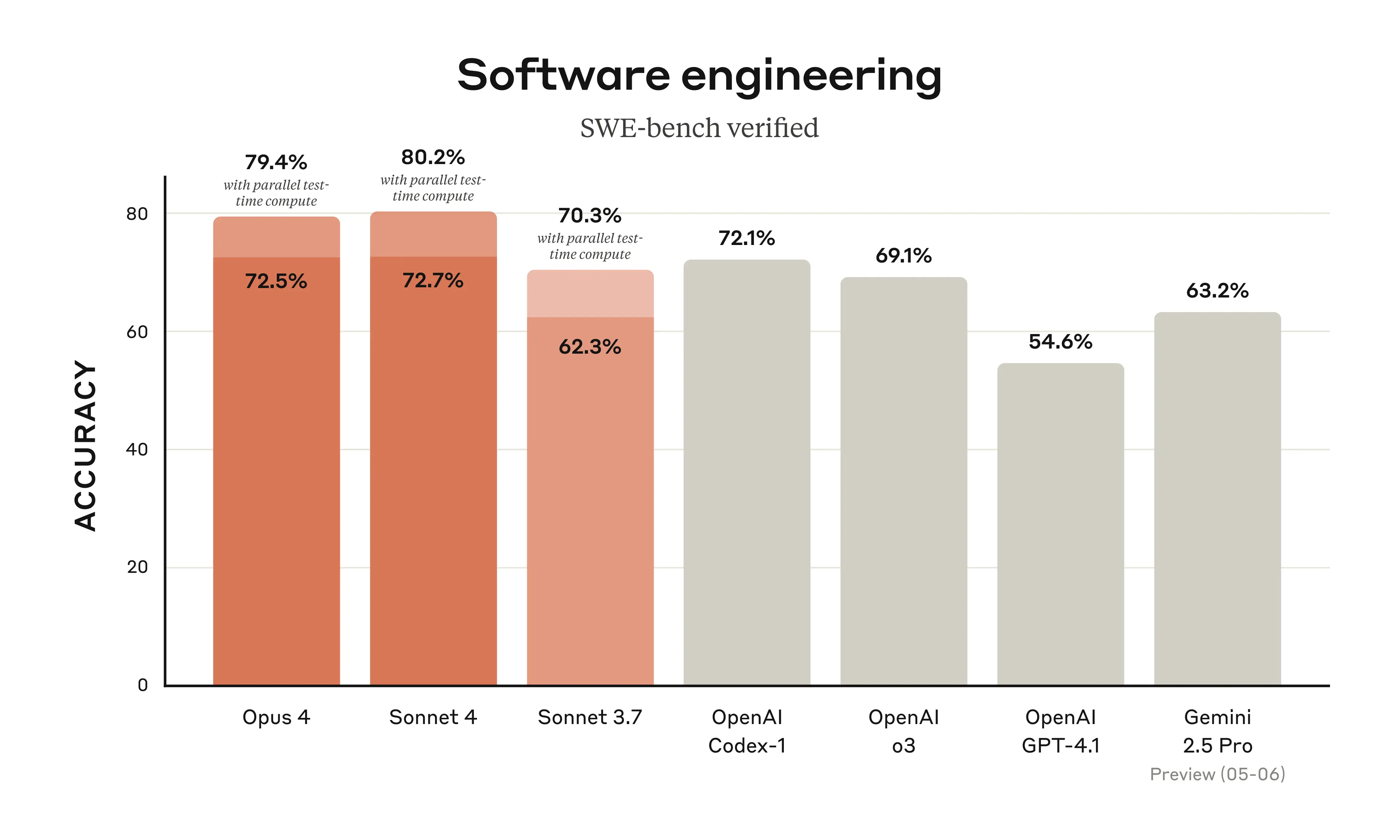
This user-driven application of Claude is a textbook example of the "emergent use case" phenomenon, where a model's general capabilities are directed toward niches its creators may not have prioritized. It directly follows Anthropic's strategy, evident since the Claude 3 model family launch, of positioning Claude as the most "helpful" and "steerable" assistant for complex, multi-step tasks. Creating a nutritionally-sound meal plan is precisely that: a multi-constraint planning problem requiring reasoning across several domains.
This aligns with a competitive front we've been tracking: the battle for AI-as-a-daily-productivity-tool. While OpenAI's GPTs and Microsoft's Copilot have focused on deep integration with office suites and operating systems, Anthropic has often won praise for Claude's nuanced understanding and safety in handling sensitive topics—which now extends to personal health data. This meal-planning demo is a soft entry into the health-tech adjacencies of the wellness app market, a space crowded with startups but not yet dominated by a foundation model provider.
However, a critical caveat is liability. An AI generating meal plans is not a certified dietitian. The output's accuracy for individuals with medical conditions is unverified, and the model lacks real-time nutritional database integration. This creates a gap between a clever demo and a reliable product. We expect Anthropic to be cautious here; their constitutional AI principles would likely require significant guardrails before officially marketing such a feature. For now, this remains a powerful example of user-led innovation on top of a capable platform.
Frequently Asked Questions
Can Claude's meal plans be trusted for medical diets?
No. Claude is an AI language model, not a licensed medical professional. Its meal plans are generated based on patterns in its training data and should not be used for managing diabetes, heart disease, food allergies, or other medical conditions without consultation with a qualified healthcare provider. Always verify nutritional information.
How do I get Claude to make a meal plan?
You can prompt Claude within its chat interface on claude.ai or via the API. A successful prompt typically includes your daily calorie target, desired macronutrient breakdown (e.g., 30% protein, 40% carbs, 30% fat), dietary restrictions, food preferences, and the number of meals per day. The more specific you are, the more tailored the plan will be.
Is this an official Anthropic feature?
As of this writing, Anthropic has not announced "meal planning" as a dedicated, official feature. This functionality emerges from users leveraging Claude's general reasoning and instruction-following capabilities through sophisticated prompting. It is a use case, not a packaged product.
How does this compare to dedicated meal planning apps?
Dedicated apps like MyFitnessPal or Eat This Much often have integrated databases with thousands of verified recipes and precise nutritional data. Claude's strength is its flexibility and ability to accommodate highly unique constraints or preferences on the fly. However, dedicated apps typically offer better tracking, grocery list integration, and a more streamlined user experience for the specific task.