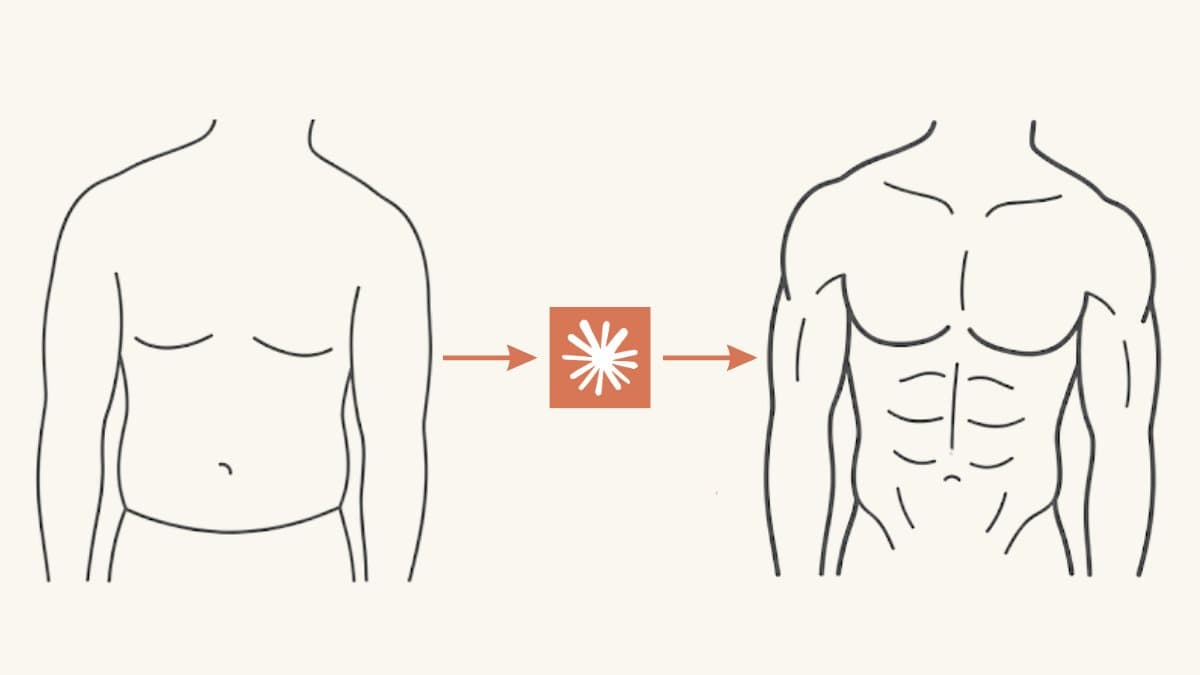
A new prompt library circulating on social media demonstrates that Anthropic's Claude AI assistant can generate detailed, personalized weekly meal plans designed to hit specific nutrition and macronutrient goals. The prompts, shared by user @heynavtoor, frame Claude's capabilities as comparable to a "$200/hour registered dietitian from the Mayo Clinic"—but available for free.
The core claim is that users can provide Claude with their dietary preferences, restrictions, calorie targets, and macronutrient goals (protein, carbohydrates, fats), and the AI will output a full week of meals, complete with recipes, ingredient lists, and calculated nutritional breakdowns. The accompanying thread suggests this could save users "$500/month on groceries" by optimizing shopping lists and reducing food waste.
What the Prompts Do

The shared link leads to a collection of 12 structured prompts designed to extract maximum utility from Claude for meal planning. Based on the description, these prompts likely guide users to:
- Define Goals: Input age, weight, activity level, target calories, and desired macronutrient splits (e.g., 40% carbs, 30% protein, 30% fat).
- Set Constraints: Specify dietary restrictions (vegan, gluten-free, etc.), disliked foods, budget limits, and cooking time availability.
- Generate the Plan: Claude produces a day-by-day plan covering breakfast, lunch, dinner, and snacks.
- Provide Details: Each meal includes a recipe name, simple instructions, and a precise nutritional tally.
- Create a Shopping List: A consolidated, categorized list of all ingredients needed for the week, optimized to minimize waste and cost.
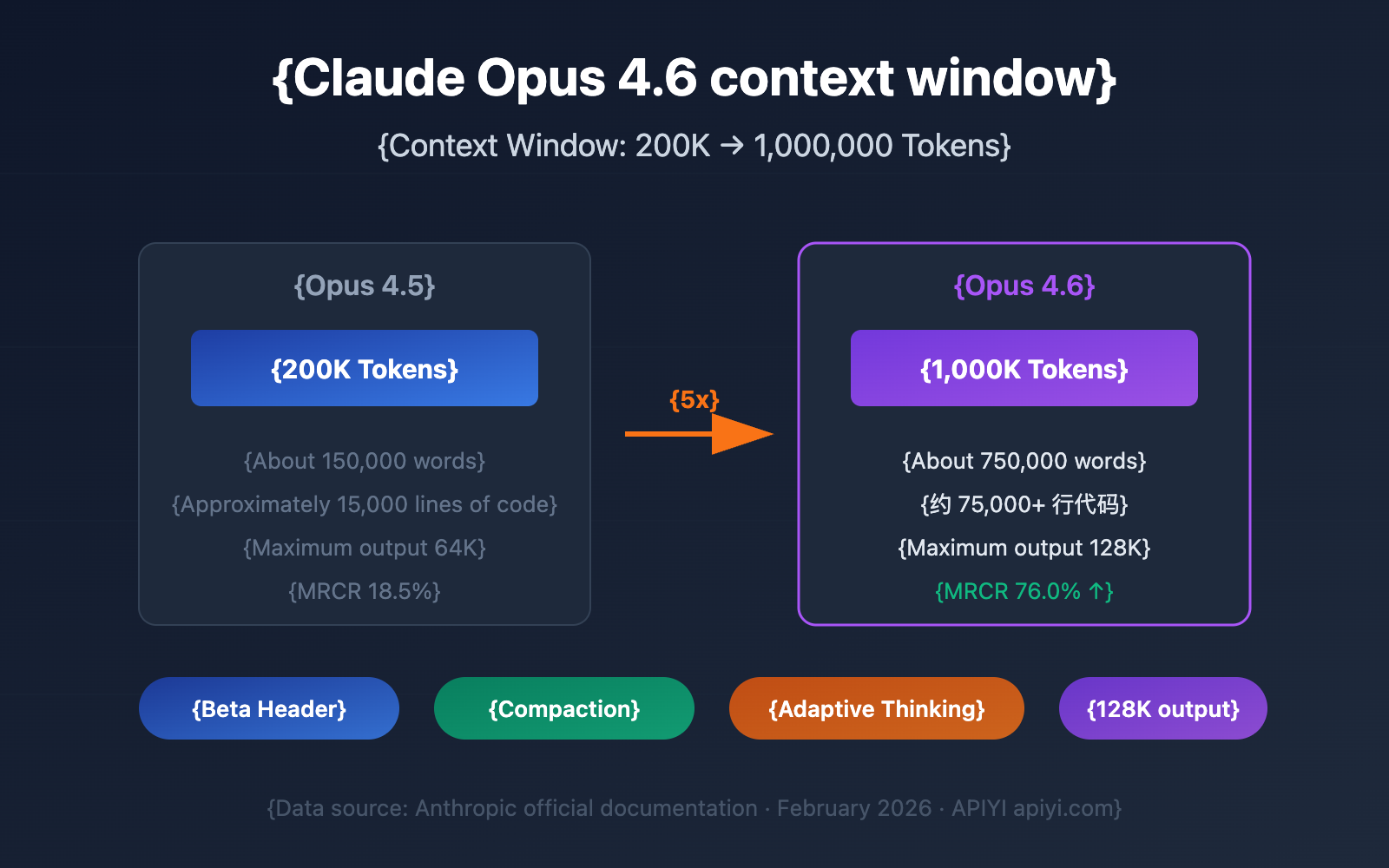
This represents a practical application of Claude's core strengths in reasoning, long-context processing (its 200K token context window can hold extensive recipe databases and user preferences), and structured output generation.
Technical Capabilities on Display
While not a dedicated nutrition model, this use case highlights Claude's proficiency in:
- Constraint Satisfaction: Balancing multiple, often competing user inputs (taste vs. nutrition vs. cost vs. time).
- Mathematical Calculation: Accurately summing calories and macros across multiple ingredients and meals.
- Creative Generation: Inventing or adapting recipes that fit within the defined parameters.
- Structured Data Extraction & Presentation: Organizing complex information into a clear, user-friendly format.
The process relies on Claude's internal knowledge of food nutrition, culinary techniques, and portion sizes, which is derived from its training data. Accuracy is contingent on that knowledge base and the precision of the user's inputs.
Limitations and Considerations
This is a clever prompt engineering hack, not a certified medical or nutritional tool. Key caveats include:
- Accuracy of Nutritional Data: Claude's knowledge has a cutoff date and may not reflect the latest nutritional science or specific brand information.
- Lack of Personalization: It cannot account for individual metabolic differences, allergies beyond those stated, or interact with real-time biometric data.
- No Ongoing Adaptation: Unlike a human dietitian, it cannot adjust plans based on weekly check-ins, energy levels, or bloodwork.
- Potential for Hallucination: There is a risk it could invent unrealistic nutritional information for a generated recipe.
For individuals with complex medical conditions (diabetes, kidney disease, etc.), professional guidance remains essential. For general population meal planning and macro tracking, however, Claude offers a powerful, zero-cost starting point.
The Broader Trend: AI as a Productivity Copilot

This application fits squarely into the trend of users leveraging general-purpose LLMs as "copilots" for everyday life tasks—from coding and writing to, now, domestic management. It bypasses the need for a dedicated meal-planning app by using a flexible, conversational agent that can understand nuanced requests.
gentic.news Analysis
This development is a textbook example of the emergent, user-driven application of foundation models. Anthropic did not build Claude as a dietitian; its community discovered and systematized this capability through prompt engineering. This mirrors the trajectory we've seen with ChatGPT and Midjourney, where the most impactful use cases often emerge from the community, not the lab.
It also highlights the ongoing pressure on specialized SaaS applications. Dozens of startups offer subscription-based meal planning and macro-tracking apps (e.g., Eat This Much, PlateJoy). Claude's performance in this area, for free, demonstrates the disruptive potential of generalist AI agents on vertical-specific software. The value proposition shifts from a curated database and rigid UI to a flexible, conversational interface that can accommodate any edge case a user describes.
This follows a pattern we noted in our January 2026 analysis, "The Copilotification of Everything," where LLMs are being embedded into workflows far beyond their initial design. The key differentiator for dedicated apps will now be deep integration with hardware (smart scales, continuous glucose monitors), certified accuracy, and established trust—areas where a general AI chat interface currently falls short.
Frequently Asked Questions
Can Claude create a meal plan for my specific medical condition, like diabetes or PCOS?
While Claude can generate plans that adhere to broad dietary patterns (like low-carb for diabetes), it is not a medical device and its knowledge may not be up-to-date with the latest clinical guidelines. It cannot monitor your biometrics or adjust based on your body's response. For managing medical conditions, consulting a registered dietitian or doctor is crucial.
How accurate are Claude's calorie and macronutrient calculations?
Accuracy depends on the precision of its internal food composition database, which is derived from its training data up to its knowledge cutoff. For common whole foods (chicken breast, broccoli, rice), estimates are likely reasonably accurate. For processed foods or specific brands, accuracy will drop significantly. It's best used as a planning and estimation tool, not a laboratory-grade tracker.
Is this feature built into Claude, or do I need special prompts?
This capability is not a dedicated feature or mode within the Claude interface. It is entirely enabled through clever prompt engineering—the set of 12 prompts shared by the user. You need to copy, paste, and carefully follow those prompt sequences to replicate the results.
Could this replace a human dietitian?
For complex, medical-grade nutritional therapy, no. For general healthy meal planning, recipe inspiration, and basic macro tracking, it serves as a highly capable and free assistant. A human dietitian provides personalized feedback, accountability, adaptation, and addresses the psychological aspects of eating that an AI cannot.
Are there any risks of bias or unhealthy recommendations?
Yes. As with any AI, its suggestions are based on patterns in its training data, which may reflect common dietary trends that aren't necessarily optimal for all individuals. It lacks true understanding of nutritional science. Users should apply common sense, cross-reference major recommendations, and not follow any AI-generated plan blindly, especially if it suggests extreme caloric restriction or elimination of entire food groups without cause.