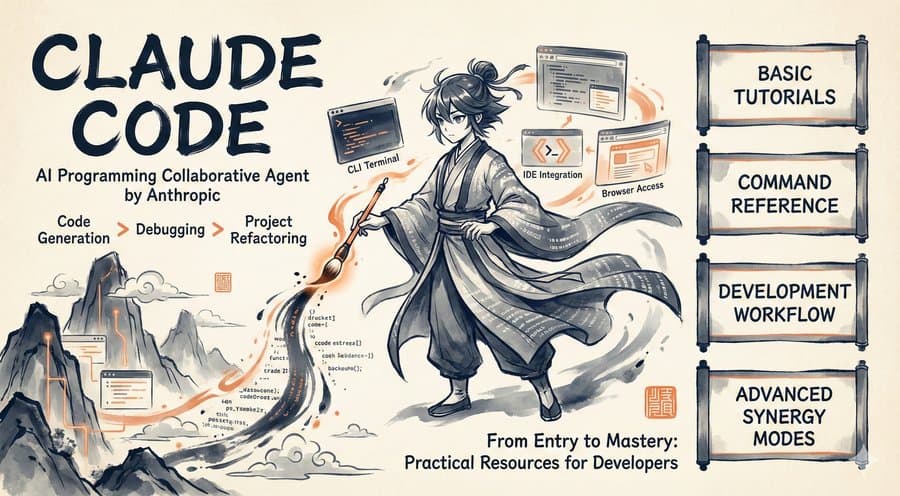
Claude Code is shifting from a chat box into governed infrastructure: the teams pulling ahead are wiring policies, auth, and agent workflows now, not later.
7-tier memory system
Trending Now
🔥 Policy-by-hook beats policy-by-prompt: PreToolUse is the new guardrailIf you still rely on CLAUDE.md for “don’t do X,” you’re trusting the model to remember. PreToolUse hooks execute outside the model, so you can hard-block deploys, migrations, and destructive commands before they happen. Move critical rules into shell-enforced hooks and keep CLAUDE.md for guidance, not enforcement. 🔥 MCP is getting split into native servers, not wrapper scripts
The big design lesson this week: stop wrapping CRUD endpoints and start exposing the smallest trustworthy action surface. Native MCP servers with permission enforcement are replacing brittle copy-paste workflows, and progressive discovery is becoming the pattern for keeping tool lists usable instead of token-heavy. 📈 File-based memory is becoming the workaround for Claude Code’s cold start
MACCHA’s 7-tier file memory shows a practical path to persistence without running a daemon. The move: store preferences, project rules, and lessons in repo-local files so every new session inherits context instead of re-learning it. This is especially useful for multi-agent teams that keep losing state between runs.
Best Practices
Move destructive rules into PreToolUse hooks to guarantee enforcementBefore: “please don’t run migrations in prod” lives in CLAUDE.md and can be ignored. After: the hook blocks the command before the model can execute it, turning a soft preference into an actual control. Use progressive discovery in MCP servers to keep tool menus from exploding
Before: dumping 40+ tools into Claude Code makes selection noisy and burns context. After: the agent only discovers the next relevant capability, which keeps tool choice sharper and reduces accidental misuse. Persist project memory in repo files instead of a daemon
Before: every new Claude Code session starts cold and re-asks the same questions. After: a file-based memory layer carries preferences, rules, and prior decisions across sessions with zero background service to babysit.
Tools & MCP
MACCHA — A 7-tier file-based memory system for Claude Code that persists preferences and lessons across sessions — avoids cold-start rework without running a daemon. Namecom-CLI — An agent-friendly DNS CLI with a bundled Claude Code skill that manages Name.com records idempotently via the v4 API — cuts manual DNS edits and repeat mistakes. Trace Commons — One-command trace donation to a Hugging Face dataset — turns solved Claude Code sessions into reusable open data instead of private dead ends.Multi-Agent Patterns
Cross-agent memory filesMACCHA keeps a shared, repo-local memory trail so multiple agents can inherit preferences, project rules, and prior lessons without depending on one live process. Governed multi-agent workflows
The digest points to teams wiring policies, MCP auth, and agent permissions before scaling usage, so agents can operate inside explicit guardrails instead of ad hoc trust. Trusted-action MCP servers
Native MCP servers embedded into a CMS let Claude Code act like an authorized teammate, not a copy-paste assistant, because permission checks happen at the server boundary.
Community Requests
- A native MCP server benchmarking suite that measures token cost, latency, and tool-selection accuracy across progressive discovery vs. flat tool lists
- A standard way to diff and merge Claude Code memory files across branches and agents without clobbering project rules
- A first-party audit log for PreToolUse hook blocks, so teams can see which commands were prevented and why