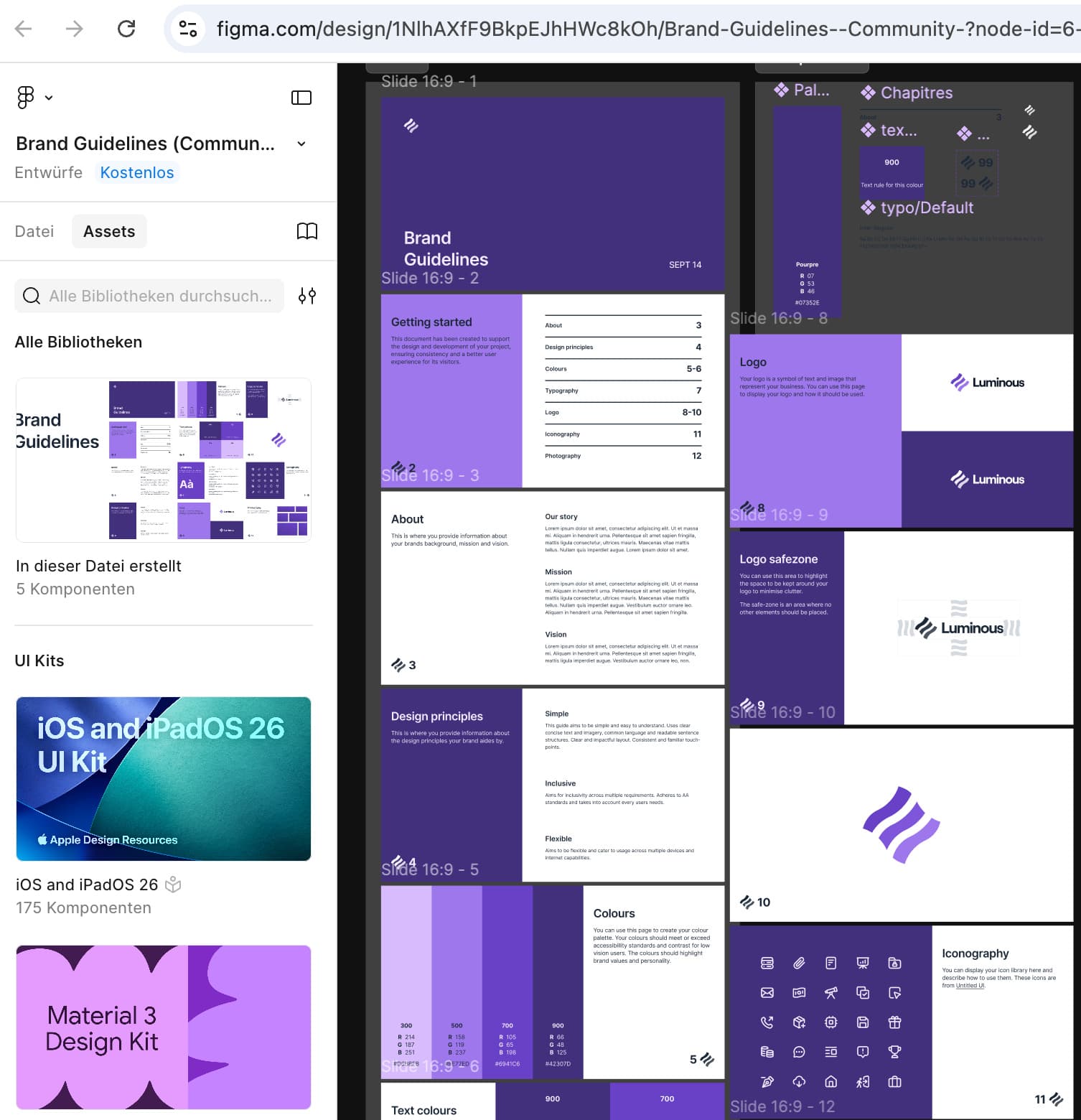
Anthropic's Claude can now copy any UI from a pasted URL, according to a demo by @HowToAI_. The model extracts exact colors, fonts, and layout, then rebuilds the interface.
Key facts
- Claude copies UI from a pasted URL.
- Extracts exact colors, fonts, and layout.
- Rebuilds the interface automatically.
- Demoed by @HowToAI_ on X.
- Feature not yet publicly documented by Anthropic.
Claude can now copy any UI on the internet. Just paste a url and it pulls the exact colors, fonts, and layout, then rebuilds the interface, according to a tweet by @HowToAI_. The demo shows Claude replicating a web page's visual design from a single link.
Anthropic has not yet publicly documented this feature or confirmed its availability. The company did not respond to requests for comment by press time. The capability appears to leverage Claude's vision and code generation abilities, parsing the rendered UI and outputting matching HTML/CSS.
Unique take: This feature competes directly with tools like V0 by Vercel and Bolt.new, which also generate UI from screenshots or prompts. But Claude's ability to ingest a URL directly — without a screenshot — suggests a deeper integration of browsing and code generation, potentially reducing friction for developers rebuilding existing interfaces. The key differentiator is the live rendering pipeline: Claude must fetch the page, parse its visual structure, and output faithful code in one step.
How it works: The model likely uses its browser tool to load the URL, then applies multimodal analysis to identify design tokens — hex colors, font families, spacing, and layout grid. It then generates a code snippet (presumably HTML/CSS) that reproduces those elements. This mirrors the approach of screenshot-to-code tools but adds the convenience of URL input.
Implications: For frontend developers, this could speed up reverse-engineering of competitor designs or recreating reference UIs. However, legal questions around copying exact design elements remain unresolved. Anthropic's terms of service may limit such use.
Gaps in reporting: The source tweet does not specify whether the feature is available in Claude's web app, API, or both. No pricing or usage limits were mentioned. The demo likely used Claude 3.5 Sonnet or Opus, but the exact model version is unconfirmed.
Key Takeaways
- Claude can now copy any UI from a URL, extracting colors, fonts, and layout to rebuild the interface, per a demo by @HowToAI_.
- Anthropic has not officially confirmed the feature.
What to watch

Watch for Anthropic's official documentation or changelog entry confirming this feature. Also monitor if competitors like V0 or Bolt.new add URL-based UI copying. A legal challenge from a design firm could test copyright boundaries.