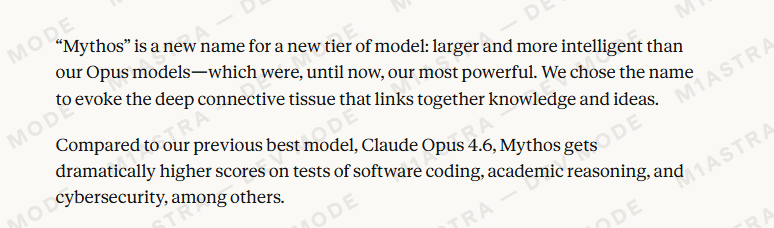
A significant leak, shared by X user @kimmonismus and attributed to source @M1Astra—described as "very reliable"—claims Anthropic is preparing a major new AI model tier codenamed Claude Mythos. The leak positions Mythos as a successor to the current Claude Opus 4.6, promising "major performance gains" in coding, academic reasoning, and cybersecurity. The most notable claim is that the model's power and compute intensity will necessitate a slow, controlled rollout, beginning with select cybersecurity partners.
What the Leak Claims
The leaked information, which should be treated as unverified rumor until confirmed by Anthropic, outlines several key points:
- New Tier: Claude Mythos is described as "a new tier beyond Opus models," suggesting it may not be a simple incremental version update (like Opus 4.7) but a distinct, more capable product line.
- Performance Gains: It is claimed to deliver "major performance gains" specifically in coding, academic reasoning, and cybersecurity compared to Opus 4.6.
- Deployment Strategy: Due to being "so powerful (and compute-intensive)," access will roll out slowly. The first phase will reportedly involve "select cybersecurity partners to prepare for AI-driven exploits."
- Strategic Significance: The leaker frames this not just as a model release but as "a preview of a new class of systems that could outpace current defenses and reshape how we think about AI risk and deployment."
Context: Anthropic's Model Release Cadence and Security Focus
This leak, if accurate, aligns with Anthropic's established pattern of gradual, tiered model releases and its public emphasis on AI safety. The company has consistently positioned its Claude models as being developed with constitutional AI principles aimed at reducing harmful outputs.
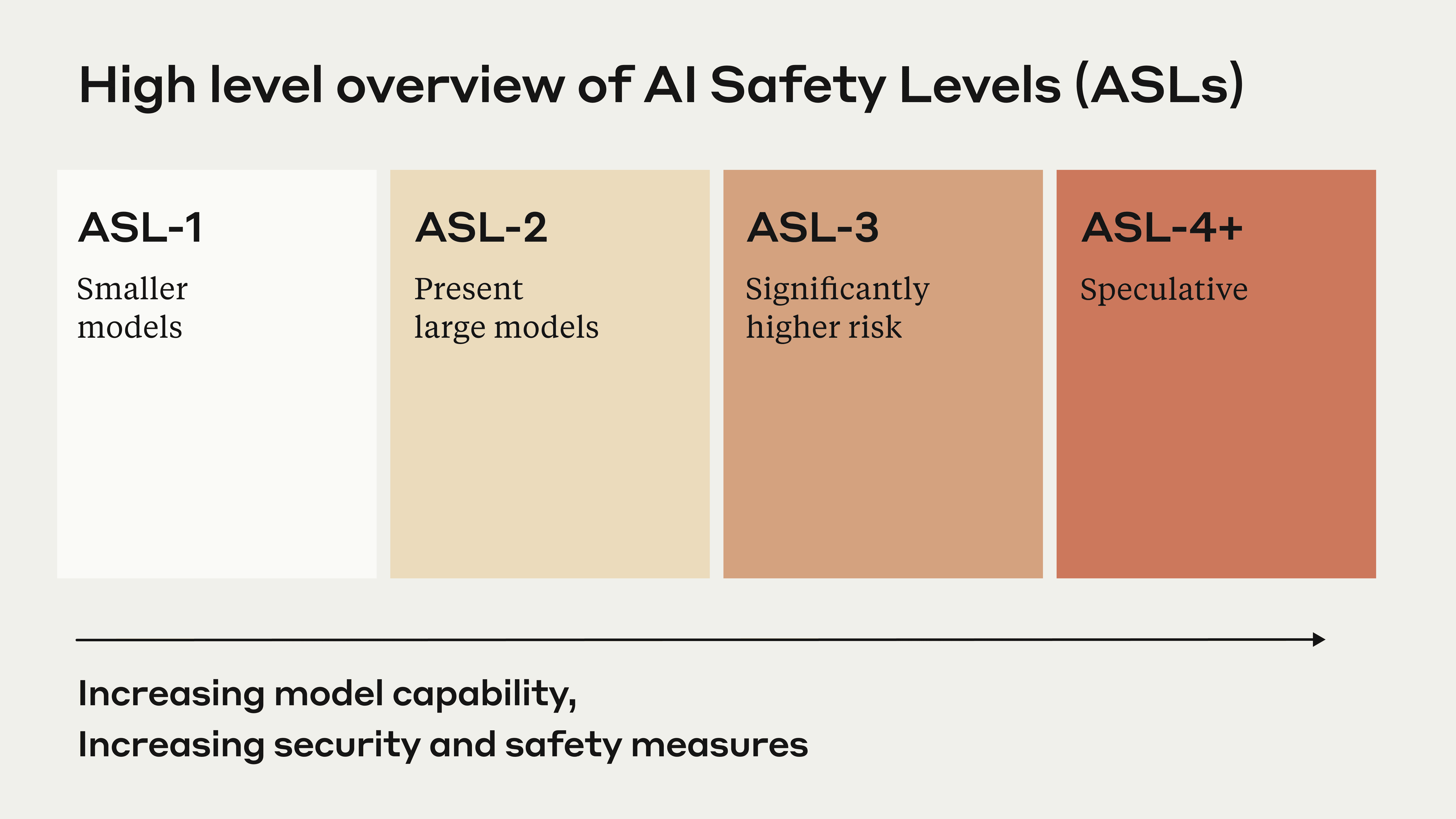
A controlled rollout to cybersecurity experts would be a logical, safety-first step for a model purported to have significantly advanced capabilities. It would allow for red-teaming and the development of defensive frameworks before a wider, potentially riskier public or enterprise release. This approach mirrors concerns raised in the AI community about capability overhang—where AI advancements outpace the development of corresponding safety and security measures.
The Cybersecurity Angle: A Double-Edged Sword
The specific mention of cybersecurity partners is the leak's most concrete and intriguing operational detail. It suggests Anthropic may be acknowledging or proactively testing Mythos's potential for both offensive and defensive cybersecurity applications.
- Defensive Use: Partners could use the model to audit code at a new scale, generate sophisticated security tests, or analyze threat intelligence.
- Offensive Risk: The phrase "prepare for AI-driven exploits" directly hints at the model's potential to automate or enhance the discovery of software vulnerabilities, a capability that would require extremely careful governance.
This targeted partnership strategy would serve as a controlled environment to stress-test the model's safeguards and understand its real-world implications in a high-stakes domain.
gentic.news Analysis
This leak, while unconfirmed, fits neatly into the accelerating competitive dynamics of the frontier AI race. Anthropic's last major model family, the Claude 3 series (Haiku, Sonnet, Opus), launched in March 2024 and established the company as a clear leader alongside OpenAI and Google DeepMind. A leak about a "new tier beyond Opus" signals Anthropic's intent to not just iterate, but to make a substantive leap, potentially in response to rivals like OpenAI's o1-preview model, which emphasizes advanced reasoning.
The cybersecurity-first rollout is the critical story here. It represents a pragmatic, if alarming, acknowledgment of reality: the most powerful AI models will inevitably be probed for their dual-use potential. By partnering with security firms from the start, Anthropic appears to be opting for a strategy of managed exposure rather than hoping vulnerabilities aren't found. This is a more mature approach to deployment risk but also one that could accelerate the very AI-powered threat landscape it seeks to understand.
Furthermore, this follows a broader industry trend of specialized, early-access programs for powerful AI. Google has run similar limited previews for its most advanced models, and OpenAI's preparedness framework outlines staged releases based on capability thresholds. If the leak is true, Claude Mythos would be a direct case study of these policies in action. The major unanswered question is the nature of the performance gain. Is it a broader scaling law improvement, or a breakthrough in a specific architecture—like reasoning or planning—that yields disproportionate results in technical domains? The claimed focus on coding and cybersecurity suggests the latter.
Frequently Asked Questions
Is the Claude Mythos leak confirmed?
No. As of now, the details about Claude Mythos come solely from a social media leak attributed to a source claimed to be reliable. Anthropic has not made any official announcement or confirmation. The information should be treated as a rumor until verified by the company.
What would a "new tier beyond Opus" mean?
Anthropic's current public tiers are Claude Haiku (fast, cheap), Sonnet (balanced), and Opus (most powerful). A "new tier beyond Opus" suggests Mythos would not be a direct replacement for Opus 4.6 but could exist as a separate, more capable and likely more expensive product line. It might target specialized, high-value tasks that require extreme reasoning or depth, similar to how Opus is positioned above Sonnet.
Why would Anthropic release a powerful AI to cybersecurity partners first?
This is likely a safety and security precaution. By providing early access to trusted cybersecurity experts, Anthropic can work with them to:
- Stress-test the model's safeguards and alignment to find and fix potential jailbreaks or harmful outputs.
- Proactively understand how such a model could be misused to find software vulnerabilities or create exploits, in order to develop better defenses.
- Develop defensive tools and frameworks using the model before potential malicious actors can leverage similar technology.
How does this relate to AI safety concerns?
The leak directly references reshaping "how we think about AI risk and deployment." A model with significantly advanced capabilities in coding and reasoning could, in theory, automate complex tasks that have security implications. The controlled, partner-led rollout described is a concrete example of an AI company attempting to operationalize safety principles—deploying powerful technology slowly and with expert oversight to mitigate potential risks from the outset.