Key Takeaways
- Inherent's AI teammate beats Claude and OpenAI at research replication, highlighting the power of specialized agents.
- For Claude Code users, this means designing custom sub-agents with CLAUDE.md and MCP to tackle complex workflows more effectively.
What Changed — Inherent's AI 'Teammate' Claims Top Spot

A new startup called Inherent, founded by DeepMind alumni, has announced that its AI 'teammate' outperforms Anthropic's and OpenAI's models at replicating research. The claim, reported by TechCrunch, is a significant signal in the agentic AI space. While the exact benchmarks aren't fully detailed in the source, the implication is clear: for specific, complex tasks like research replication, a purpose-built agent can beat general-purpose models like Claude Opus 4.6 or GPT-4o.
This isn't just a headline — it's a wake-up call for developers using Claude Code. If a startup can build an agent that beats Claude at a specific task, then the way you configure your own agents matters more than ever.
What It Means For You — Specialization Beats Generalization
Claude Code is a powerful general-purpose coding agent, but it's not magic. Its performance on a given task depends on how you set it up. Inherent's success suggests that breaking down complex workflows into specialized sub-agents — each with its own context, tools, and instructions — can yield better results than asking one agent to do everything.
For Claude Code users, this translates directly to how you structure your projects. Instead of relying on a single claude command to handle everything, you can:
- Create specialized sub-agents using
claude --agentor custom scripts that handle specific parts of your workflow. - Use CLAUDE.md files to give each agent domain-specific knowledge, so it doesn't waste context on irrelevant details.
- Leverage MCP servers to give agents access to specialized tools, like a research database or a code analysis engine.
Try It Now — Applying the 'Teammate' Approach in Claude Code
Here's a concrete example. Suppose you're working on a project that involves both frontend and backend development. Instead of one agent juggling both, create two sub-agents:
# frontend-agent: focuses on UI components
claude --agent frontend --claude-md ./frontend/CLAUDE.md

# backend-agent: focuses on API logic
claude --agent backend --claude-md ./backend/CLAUDE.md
Each agent gets its own CLAUDE.md with relevant context. You can even use MCP servers to give the frontend agent access to a design system and the backend agent access to your database schema.
For research-heavy tasks, consider setting up an agent that mimics Inherent's approach: give it a clear objective, a set of steps to follow, and the ability to iterate. For example:
claude "Replicate the methodology from this paper. Break it into steps, verify each step against the source, and produce a summary of findings."
You can also use Claude Code's built-in features like --tools to restrict the agent to specific tools, preventing it from wandering off-task.
Why This Matters — The Future of Agentic Coding
Inherent's claim is part of a broader trend: the rise of specialized AI agents. As we've covered before with DeepMind's Pandora Router and ClawGym II, the landscape is moving toward more efficient, task-specific solutions. For Claude Code users, this means staying ahead by customizing your agents rather than relying on defaults.
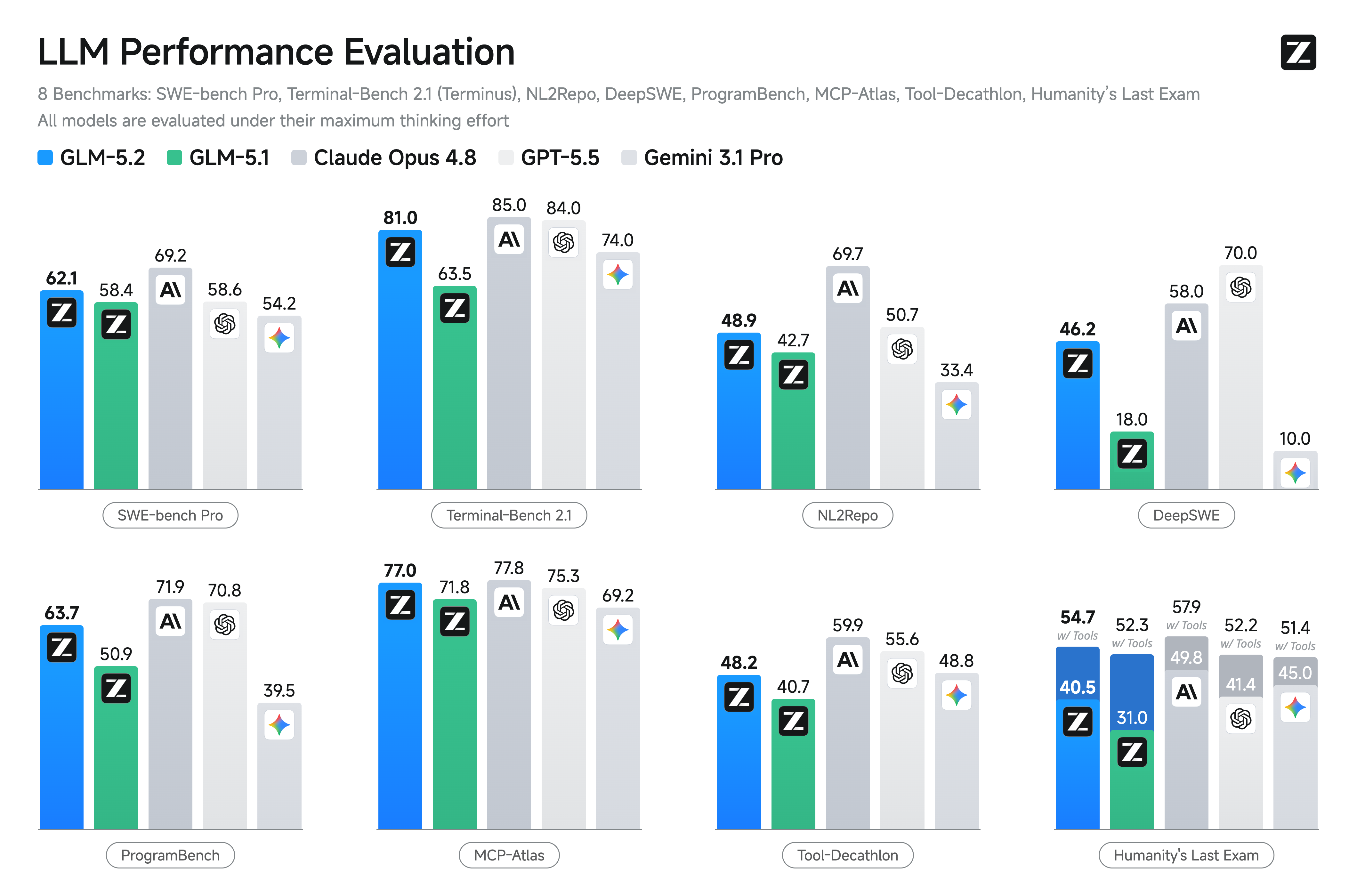
Anthropic's own Claude Code has been evolving — with Opus 4.8 scoring high on benchmarks like SWE-bench — but it's still a generalist. By adopting a 'teammate' mindset, you can get closer to the performance of specialized agents without leaving Claude Code.
Bottom Line
Inherent's AI 'teammate' outperforming Claude and OpenAI is a reminder that the best agent is the one you configure for your specific task. Start experimenting with sub-agents and CLAUDE.md today — your future self will thank you.
Source: news.google.com