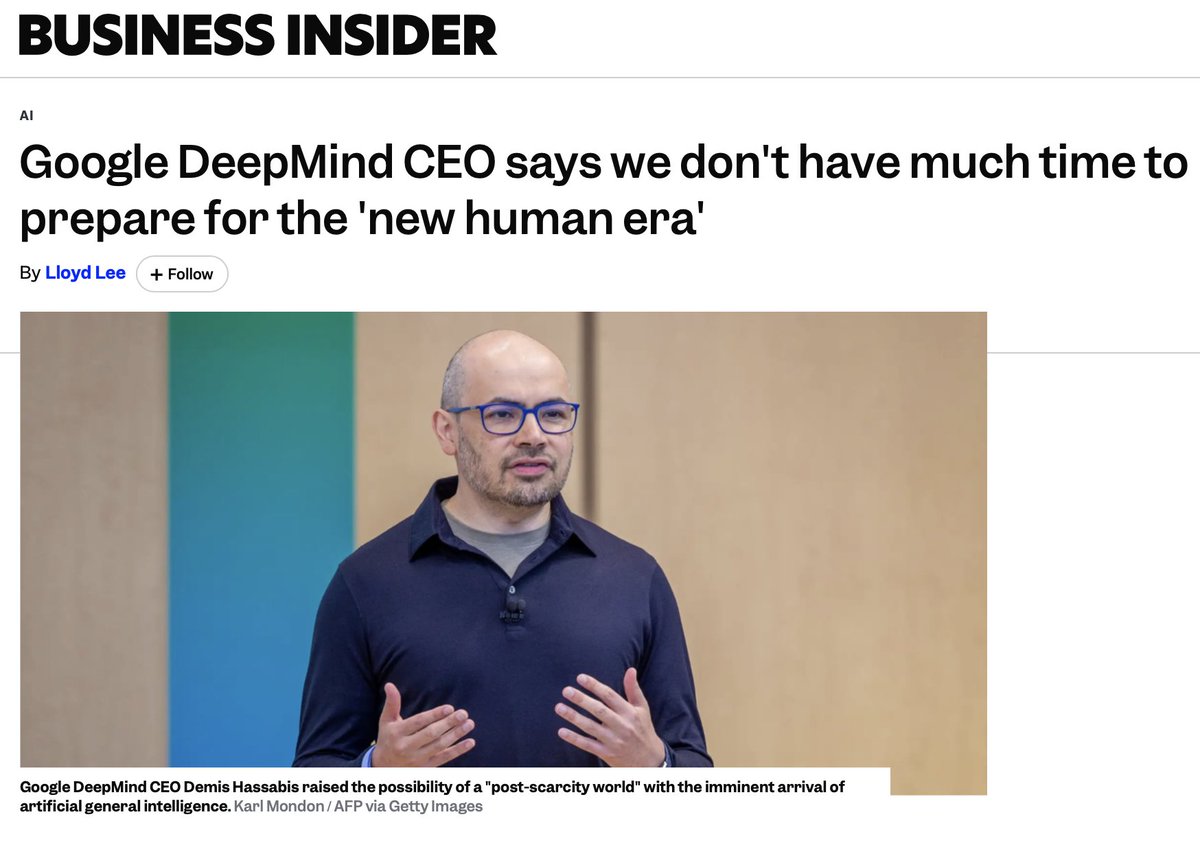
Demis Hassabis, CEO of Google DeepMind, has highlighted a critical bottleneck in genomic medicine: while CRISPR technology provides the tools to edit DNA, identifying the exact genetic cause of a disease—particularly within the vast, non-coding regions of the genome—remains a monumental challenge. In a recent statement, Hassabis pointed to DeepMind's AI tool, AlphaGenome, as a solution designed to decode this complexity, predict the impact of mutations, and ultimately pave the way for CRISPR to effectively fix genetic diseases.
The core issue is one of targeting. The protein-coding exons constitute only about 2% of the human genome. The remaining 98%—the non-coding regions—contain crucial regulatory elements that control when and where genes are turned on. Mutations here can disrupt these instructions and cause disease, but linking a specific non-coding mutation to a disorder is notoriously difficult due to the sheer scale and complexity of the data.
What AlphaGenome Aims to Do
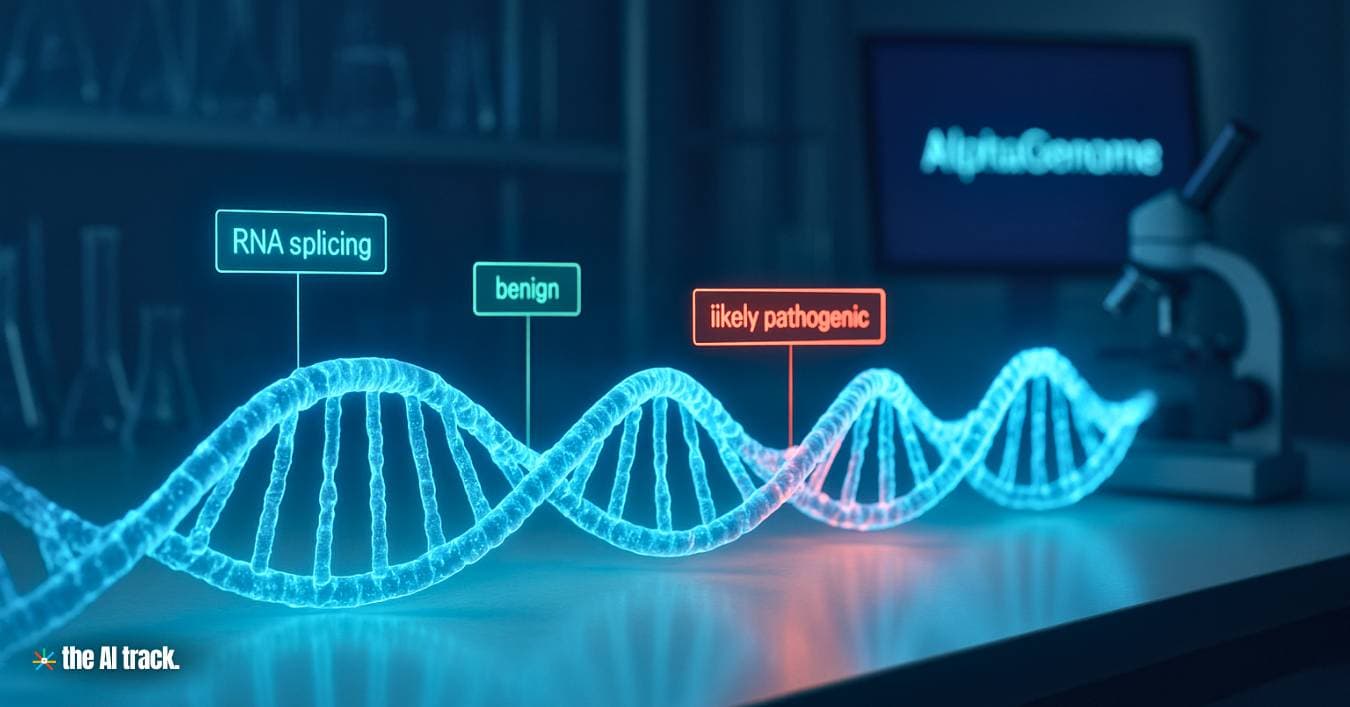
According to Hassabis, AlphaGenome is an AI system built to interpret the non-coding genome. Its primary function appears to be predicting the functional impact of genetic variants, especially those found in regulatory regions. By analyzing DNA sequence data, the AI model likely assesses whether a mutation alters gene regulation—for example, by disrupting a transcription factor binding site or changing the structure of chromatin.
This capability is intended to bridge the gap between genetic association studies (which find statistical links between DNA regions and disease) and actionable therapeutic targets. If AlphaGenome can reliably pinpoint which non-coding mutations are pathogenic, it would provide a clear target for CRISPR-based gene editing or regulation therapies.
The Technical Challenge and AI's Role
The problem AlphaGenome tackles is a perfect fit for DeepMind's expertise in applying deep learning to structured scientific data. The non-coding genome is a sequence-to-function prediction problem on a massive scale. Previous DeepMind breakthroughs, like AlphaFold (for protein structure) and AlphaMissense (for classifying missense variants), demonstrate a pattern of building AI systems that map biological sequences to their functional properties.
AlphaGenome likely represents the next step in this progression: moving from protein structure and single-amino-acid changes to the regulatory logic of DNA itself. The model would need to be trained on vast datasets linking genomic sequences to functional readouts, such as epigenetic markers (e.g., ATAC-seq, ChIP-seq), gene expression levels, and known disease-associated variants from biobanks.
Implications for Genetic Medicine
The potential impact is significant. Most genetic disease risk is believed to lie in the non-coding genome, but current diagnostic panels and therapies focus overwhelmingly on coding regions. A tool that can reliably interpret non-coding variants would:
- Improve Diagnostic Yield: Help solve undiagnosed rare diseases where coding mutations have been ruled out.
- Enable New Therapies: Identify precise targets for CRISPR-based therapies beyond simple gene correction, such as using CRISPRa/i to modulate gene expression or editing regulatory elements.
- De-risk Drug Development: Provide better insights into the functional impact of genetic variants associated with common diseases, aiding in the identification of new drug targets.
However, Hassabis's statement is an announcement of direction, not a publication of results. The field awaits concrete benchmarks on AlphaGenome's predictive accuracy, the scale of the genomes it can analyze, and validation against known clinical outcomes.
gentic.news Analysis
This move by DeepMind is a logical and anticipated expansion of its biological AI portfolio. It follows the company's established playbook of selecting a fundamental, data-rich problem in biology—protein folding, variant classification—and applying large-scale deep learning to achieve a step-change in predictive capability. The mention of AlphaGenome directly connects to the success of AlphaMissense, launched in 2023, which classified 71 million missense variants. AlphaGenome appears to be the regulatory-genome counterpart to that project.
The development also reflects a broader industry trend where AI is becoming the essential tool for navigating biological complexity. This aligns with efforts by other players, such as Meta's ESM-3 for generative protein design and NVIDIA's BioNeMo platform. DeepMind's unique advantage is its deep integration with Google's computational infrastructure and its proven ability to deliver foundational models for science.
Critically, Hassabis is framing this not as a standalone tool but as a critical enabler for CRISPR therapeutics, a sector experiencing rapid growth. Companies like CRISPR Therapeutics, Intellia Therapeutics, and Beam Therapeutics are advancing in vivo and ex vivo gene editing treatments, primarily for disorders with well-defined coding mutations. AlphaGenome could significantly expand the addressable disease landscape for these and other companies by uncovering viable targets in the non-coding genome. This creates a powerful synergy between AI discovery platforms and clinical-stage biotech, a relationship we are likely to see formalized through partnerships in the near future.
Frequently Asked Questions
What is AlphaGenome?
AlphaGenome is an artificial intelligence system developed by Google DeepMind designed to analyze and interpret the non-coding regions of the human genome. Its primary goal is to predict the functional impact of genetic mutations in these regulatory areas, which are difficult to study with traditional methods.
How does AlphaGenome relate to CRISPR?
CRISPR technology is a tool for editing DNA, but it requires a precise target. AlphaGenome aims to solve the target discovery problem, especially for diseases caused by mutations in the non-coding 98% of the genome. By identifying which specific mutations are pathogenic, it would tell CRISPR-based therapies exactly where to intervene.
Has AlphaGenome been published or peer-reviewed?
As of this reporting, based on Demis Hassabis's public statement, AlphaGenome has not been formally published in a scientific journal. The announcement outlines the project's direction and goal. The scientific community will await a detailed paper with methodology, benchmarks, and validation data to assess its capabilities.
What is the difference between AlphaGenome and AlphaMissense?
AlphaMissense, released by DeepMind in 2023, is an AI model that classifies the pathogenicity of missense variants—mutations that change a single amino acid in a protein. AlphaGenome appears focused on a different domain: predicting the impact of variants in the non-coding, regulatory regions of DNA that control gene expression, a distinct and largely unsolved challenge.