Chinese artificial intelligence startup DeepSeek has reportedly trained its newest AI model using Nvidia's heavily restricted Blackwell chips, according to a senior Trump administration official speaking to Reuters. This development, coming just ahead of the model's expected release next week, represents a significant challenge to the United States' rigorous export control regime designed to limit China's access to advanced semiconductor technology.
The Technical Achievement and Its Implications
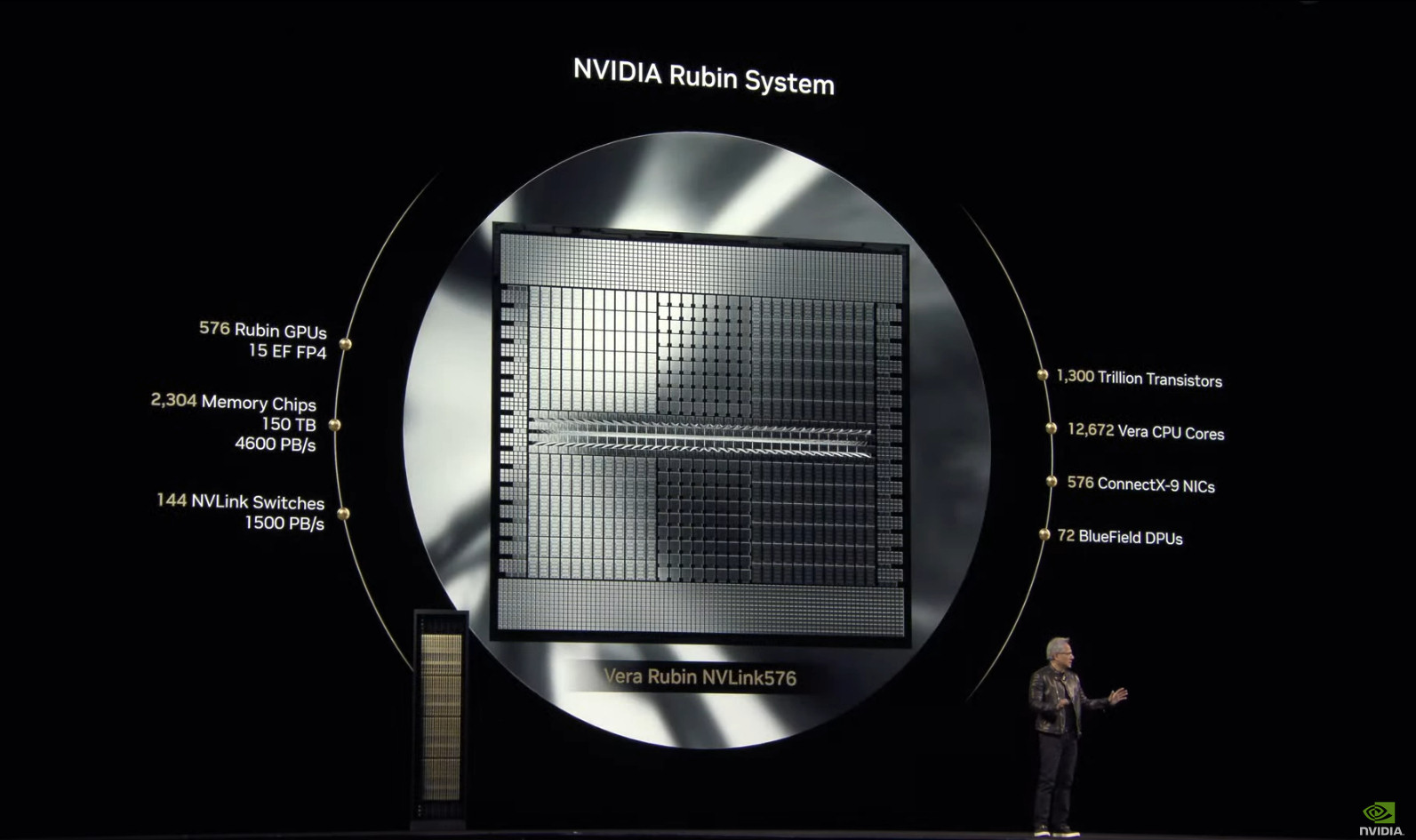
DeepSeek's ability to access and utilize Nvidia's Blackwell architecture—the company's most advanced AI chip currently available—demonstrates remarkable technical sophistication and resource acquisition capabilities. The Blackwell platform represents Nvidia's cutting-edge AI acceleration technology, featuring significant improvements in computational power, energy efficiency, and memory bandwidth compared to previous generations.
What makes this development particularly noteworthy is the timing and context. The United States has implemented increasingly stringent export controls aimed specifically at preventing Chinese entities from accessing such advanced semiconductor technology. These controls were designed to maintain American technological leadership in artificial intelligence by limiting China's access to the hardware necessary for training state-of-the-art models.
The Supply Chain Conundrum
The revelation raises immediate questions about how DeepSeek obtained access to Blackwell chips. Several potential pathways exist:
- Pre-sanction stockpiling: Chinese companies may have acquired significant quantities of advanced chips before export restrictions took full effect
- Third-party intermediaries: Chips could have been routed through countries with less stringent export controls
- Corporate restructuring: Some Chinese entities have established international subsidiaries that might legally acquire restricted technology
- Gray market operations: A thriving secondary market for restricted semiconductor technology has emerged globally
Industry analysts suggest that Chinese tech companies have been systematically building inventories of advanced chips since export controls were first announced, creating substantial stockpiles that could sustain AI development for months or even years.
Strategic Implications for US-China Tech Competition
This development occurs against the backdrop of escalating AI competition between the United States and China. Nvidia's recent $30 billion investment in OpenAI's $110 billion funding round demonstrates the American company's commitment to maintaining AI leadership. Meanwhile, Chinese companies like DeepSeek continue to advance despite technological restrictions.
The situation reveals a fundamental tension in global technology policy: while export controls can slow competitors' progress, they cannot completely prevent determined, well-resourced entities from accessing critical technology. This reality suggests that technological leadership may depend less on restricting competitors' access and more on accelerating domestic innovation.
DeepSeek's Position in the Global AI Landscape
DeepSeek has emerged as one of China's most promising AI startups, competing directly with global leaders like Anthropic and OpenAI. The company's technical capabilities have been demonstrated through previous model releases, and its ability to train on Blackwell architecture suggests it may be closing the gap with Western counterparts.
According to the knowledge graph context, DeepSeek utilizes Claude Code in its development processes, indicating sophisticated software engineering practices. The company's progress despite export restrictions highlights China's broader strategy of developing indigenous AI capabilities while leveraging whatever international technology it can access.
The Future of Semiconductor Export Controls
This development will likely prompt a reassessment of US export control strategies. Several considerations emerge:
- Effectiveness evaluation: Current controls may need refinement if they cannot prevent access to the most advanced chips
- Secondary sanctions: Pressure may increase on third countries that facilitate technology transfers
- Technological acceleration: The US may need to invest more heavily in next-generation semiconductor technology to maintain its lead
- International cooperation: Greater coordination with allies may be necessary to create more comprehensive restrictions
Industry Reactions and Market Impact
The AI industry is watching these developments closely. Nvidia finds itself in a particularly challenging position—caught between serving a global market and complying with national security restrictions. The company has developed alternative products for the Chinese market that comply with export controls, but the Blackwell situation suggests these measures may be insufficient.
For other AI companies, this development demonstrates that technological barriers are increasingly porous. The focus may shift toward software innovation, algorithmic efficiency, and data quality as differentiators rather than raw computational power alone.
Long-term Strategic Considerations
Looking forward, several trends are likely to shape the AI hardware landscape:
- Diversification of supply chains: Companies and countries will seek to reduce dependence on single sources of critical technology
- Alternative architectures: Research into novel computing paradigms (quantum, neuromorphic, optical) may accelerate
- Software-hardware co-design: More specialized AI chips optimized for specific types of models or applications
- Open hardware initiatives: Increased interest in RISC-V and other open architectures that circumvent export restrictions
Conclusion: A New Phase in AI Competition
DeepSeek's reported use of Nvidia Blackwell chips represents more than just a technical achievement—it signals a new phase in global AI competition. Export controls, while important tools for national security, cannot completely prevent technological diffusion in an interconnected global economy.
The most significant implication may be psychological: demonstrating that Chinese AI companies can access and utilize cutting-edge technology despite restrictions could accelerate investment and innovation in China's AI sector. Meanwhile, American policymakers and companies must balance legitimate national security concerns with the realities of global technology markets.
As AI continues to advance, the competition will likely focus increasingly on talent, data, algorithms, and ecosystem development rather than hardware alone. The DeepSeek-Blackwell case serves as a reminder that in technology, barriers are temporary, while innovation is perpetual.
Source: Reuters report on DeepSeek's use of Nvidia Blackwell chips, February 2026