Key Takeaways
- ESW launches Agentic Commerce with Microsoft Copilot, enabling AI-driven product discovery and checkout for global brands.
- This marks a direct retail application of agentic AI in ecommerce.
What Happened
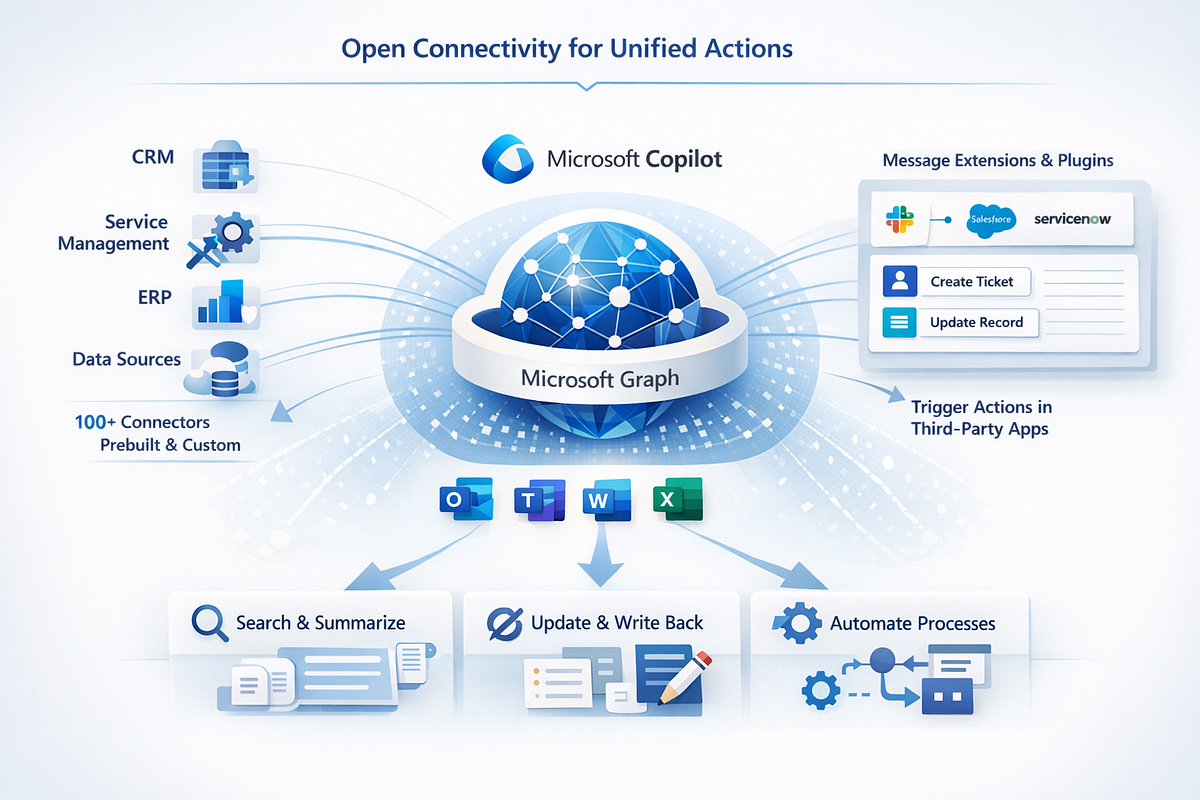
ESW, a global ecommerce platform provider, has launched ESW Agentic Commerce, a solution that integrates with Microsoft Copilot to enable AI-powered product discovery. The integration allows shoppers to use natural language queries within Copilot to find products, receive personalized recommendations, and proceed to checkout directly through ESW's platform.
Technical Details
The integration leverages Microsoft Copilot's conversational AI capabilities to interpret shopper intent and surface relevant products from ESW's merchant catalog. While specific technical architecture details are limited, the solution likely uses Copilot's plugin ecosystem and Microsoft's Azure OpenAI Service to handle natural language understanding and retrieval-augmented generation (RAG) for product search. ESW handles the backend commerce operations, including inventory management, payment processing, and global logistics.
Retail & Luxury Implications
For luxury and retail brands using ESW's platform, this integration offers a direct path to conversational commerce. Shoppers can ask Copilot questions like "Find a black leather handbag under $2,000" or "Show me summer dresses for a beach wedding" and receive curated results that link to ESW's checkout. This reduces friction in product discovery, particularly for high-consideration purchases where shoppers often research across multiple touchpoints.
However, the practical maturity is early. Microsoft Copilot is still primarily a productivity tool, not a shopping destination. Adoption depends on shoppers discovering and trusting the commerce functionality within Copilot. For luxury brands, maintaining brand control—visual presentation, product descriptions, and pricing accuracy—within an AI agent's response will be critical.
Business Impact

No specific metrics or case studies were provided by ESW. The business impact will depend on:
- Copilot's user base adoption for shopping queries
- Integration depth (e.g., real-time inventory, personalized pricing)
- Brand willingness to cede some discovery control to an AI agent
For context, ESW competes with platforms like Shopify and Salesforce Commerce Cloud, which are also exploring agentic commerce integrations. ESW's focus on global brands (cross-border commerce) could differentiate it if the Copilot integration handles multi-currency, duty calculations, and localized product discovery effectively.
Implementation Approach
Brands already on ESW's platform likely need to enable the Copilot integration through ESW's backend. Technical requirements include:
- Product catalog optimization for AI retrieval (structured metadata, high-quality images with alt text)
- API readiness for real-time inventory and pricing
- Compliance with Microsoft's Copilot plugin guidelines
Complexity is moderate—ESW handles the core integration, but brands must ensure their catalog data is AI-friendly.
Governance & Risk Assessment
- Privacy: Shopper queries processed through Microsoft Copilot; data handling agreements needed between brand, ESW, and Microsoft.
- Bias: Product recommendations could reflect biases in training data or catalog structure (e.g., overrepresenting certain categories).
- Maturity: Early-stage; expect iterative improvements as Copilot commerce use cases evolve.
gentic.news Analysis
ESW's move is a pragmatic step in the agentic commerce trend, but it's not a breakthrough. The integration is a thin layer on top of existing Copilot capabilities—ESW is essentially making its catalog available as a Copilot plugin. The real innovation will come when agents can autonomously compare products across brands, handle returns, or negotiate prices, which this integration does not address.
For luxury brands, the risk is brand dilution. An AI agent's text-only or minimal-visual response can't replicate the immersive brand experience of a website or boutique. Brands should pilot this cautiously, focusing on lower-consideration products first (e.g., accessories, beauty) before expanding to high-ticket items.
Microsoft's simultaneous release of Fara1.5-27B (an open-source web browsing agent) suggests a broader strategy to embed agentic capabilities across its ecosystem. ESW's integration is an early bet that Copilot becomes a commerce gateway—but that remains unproven.
Source: news.google.com