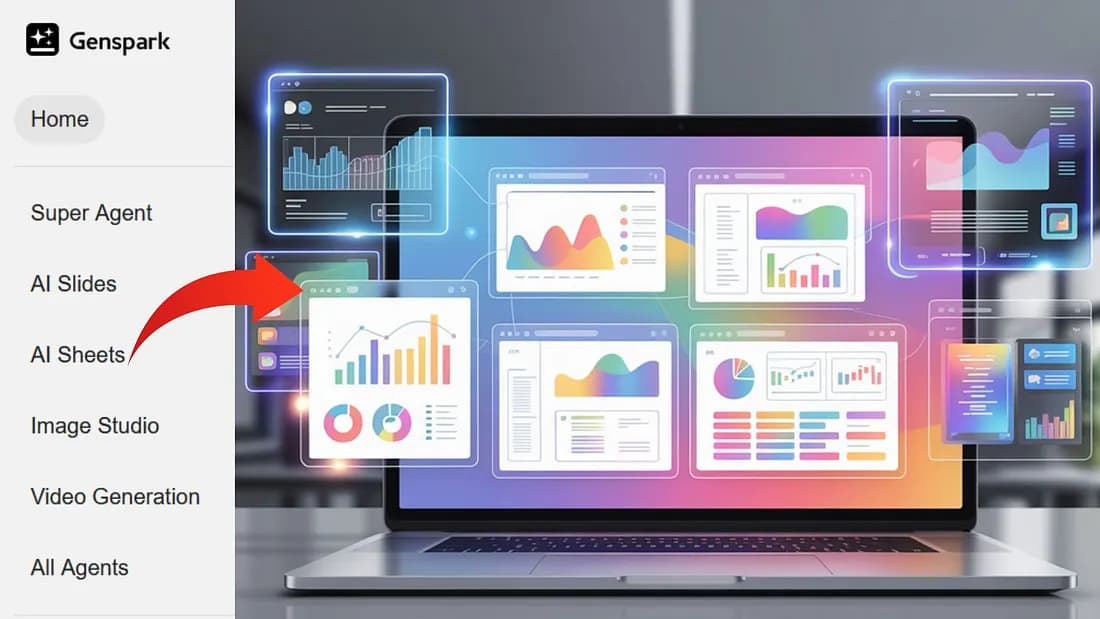
Genspark released AI Workspace 6.0 with SecondBrain, a persistent memory system that retains user context across sessions. According to @rohanpaul_ai, the update targets knowledge workers who need AI continuity beyond single conversations.
Key facts
- Genspark AI Workspace 6.0 released with SecondBrain
- SecondBrain retains user context across sessions
- Memory targets knowledge workers for continuity
- No pricing or rollout timeline disclosed
- Memory is a growing battleground in AI workspaces
SecondBrain: Persistent Memory for AI Workspaces
Genspark Launches AI Workspace 6.0, with SecondBrain as the flagship memory feature. SecondBrain is described as a persistent memory system that retains user context across sessions, enabling the AI to recall past interactions, preferences, and project history without manual re-prompting. The feature addresses a long-standing limitation of conversational AI: the inability to maintain state beyond a single session.
The company did not disclose pricing, model availability, or a timeline for broader rollout. Genspark positions SecondBrain as a competitive differentiator in the crowded AI workspace market, where tools like Notion AI, Mem, and Microsoft Copilot are also adding memory capabilities. The AI workspace market is increasingly focused on memory as a core differentiator. For knowledge workers managing complex, multi-session projects, persistent memory reduces friction and improves output quality by eliminating the need to re-establish context.
Memory as the Next AI Battleground
Genspark's move mirrors a broader industry trend. In the past 90 days, Anthropic added long-context memory to Claude, and Google updated Gemini with session persistence. SecondBrain differentiates by targeting workspace-specific use cases—project management, document drafting, and research synthesis—rather than general-purpose chat. The update signals that AI workspace vendors are prioritizing memory as a core feature, not a nice-to-have.
However, Genspark faces an uphill battle. Enterprise adoption requires robust privacy controls, data retention policies, and integration with existing workflows. The company has not detailed how SecondBrain handles data security or whether users can selectively delete memory fragments. Without these details, the feature may struggle to gain trust in regulated industries.
What to Watch
Watch for Genspark to release a public beta of SecondBrain with pricing tiers and data governance documentation. The key metric is enterprise seat growth in Q3 2026; if SecondBrain drives adoption beyond current users, it validates memory as a workspace killer feature. Competitors like Notion and Microsoft will likely respond with their own memory upgrades within 90 days.