Nvidia shipped hundreds of thousands of Grace standalone servers, VP Ian Buck revealed. The GPU giant pivots messaging as agentic AI workloads shift CPU-to-GPU ratios toward one-to-one.
Key facts
- Nvidia shipped hundreds of thousands of Grace standalone servers.
- Over 2.5 million Grace CPUs shipped total, per May disclosure.
- Grace uses 72 Arm Neoverse V2 cores with SCF fabric.
- Vera features 88 monolithic cores with 3.4 TB/s bandwidth.
- Agentic AI shifts CPU-to-GPU ratio toward one-to-one.
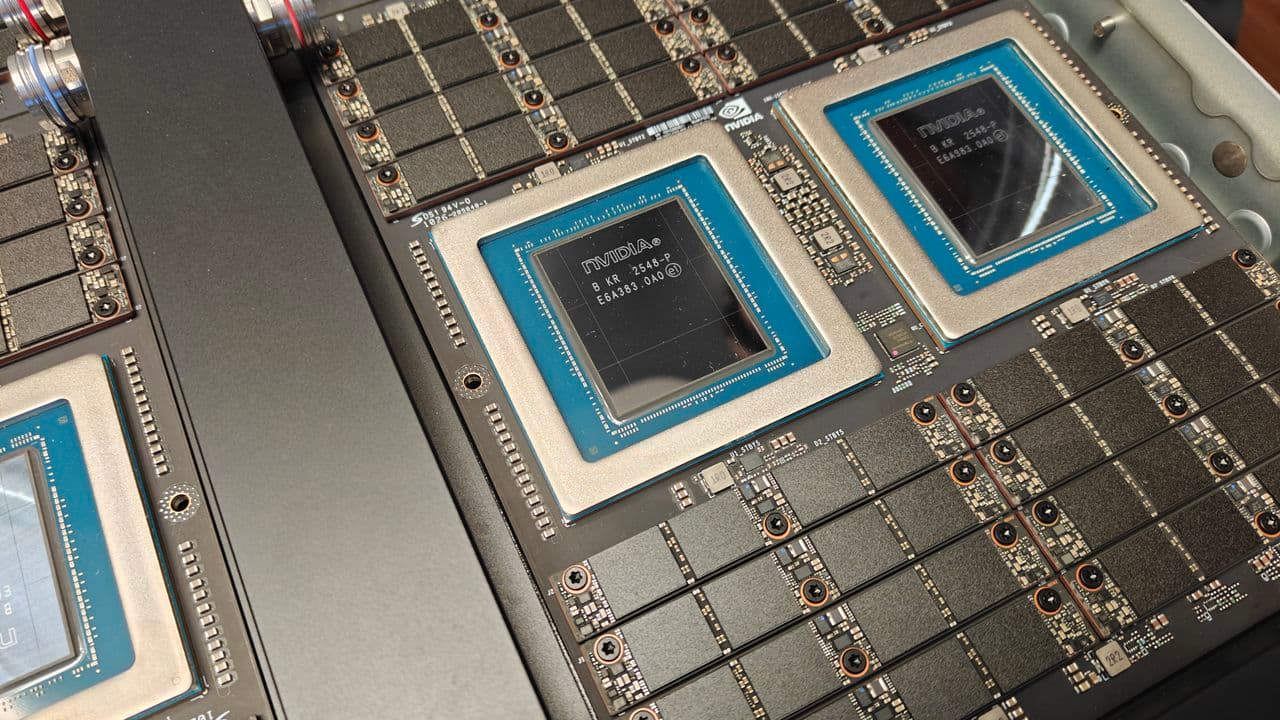
Nvidia wants you to know it's a CPU company too. Ian Buck, vice president of hyperscale and high-performance computing and inventor of CUDA, said the company has "shipped... let's put it in the hundreds of thousands of Grace standalone servers" [According to Tom's Hardware]. In May, Nvidia disclosed it had shipped over 2.5 million Grace CPUs total, and announced a partnership with Meta to deploy standalone Grace servers in February. Buck's comments suggest even larger scale, as Nvidia competes with Intel and AMD in data center CPUs.
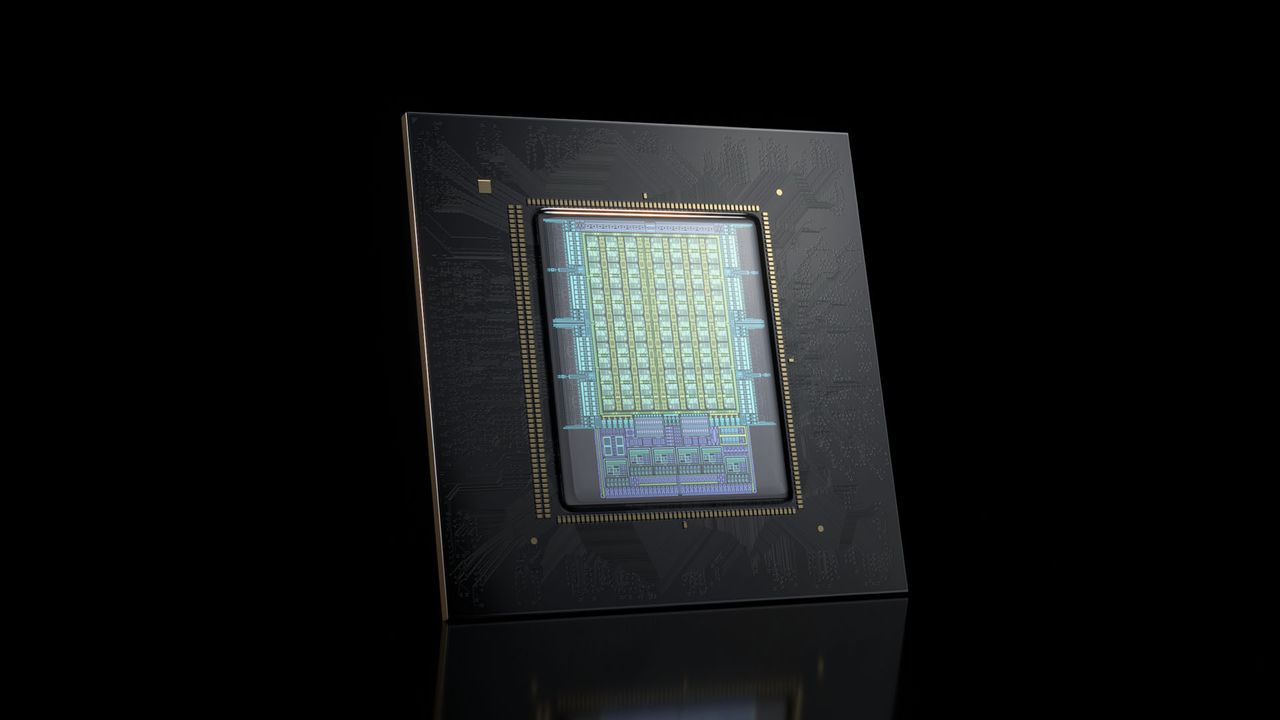
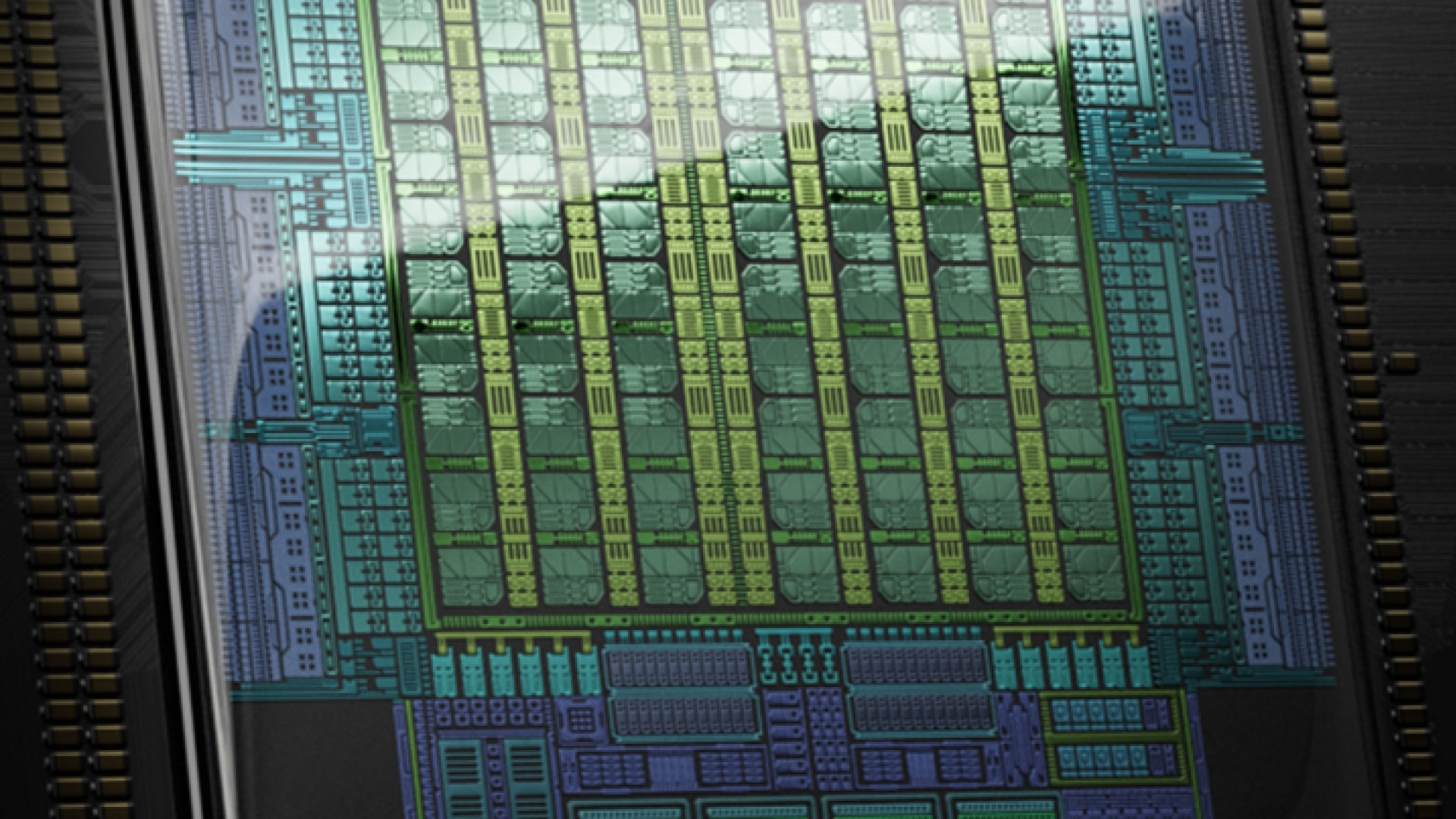
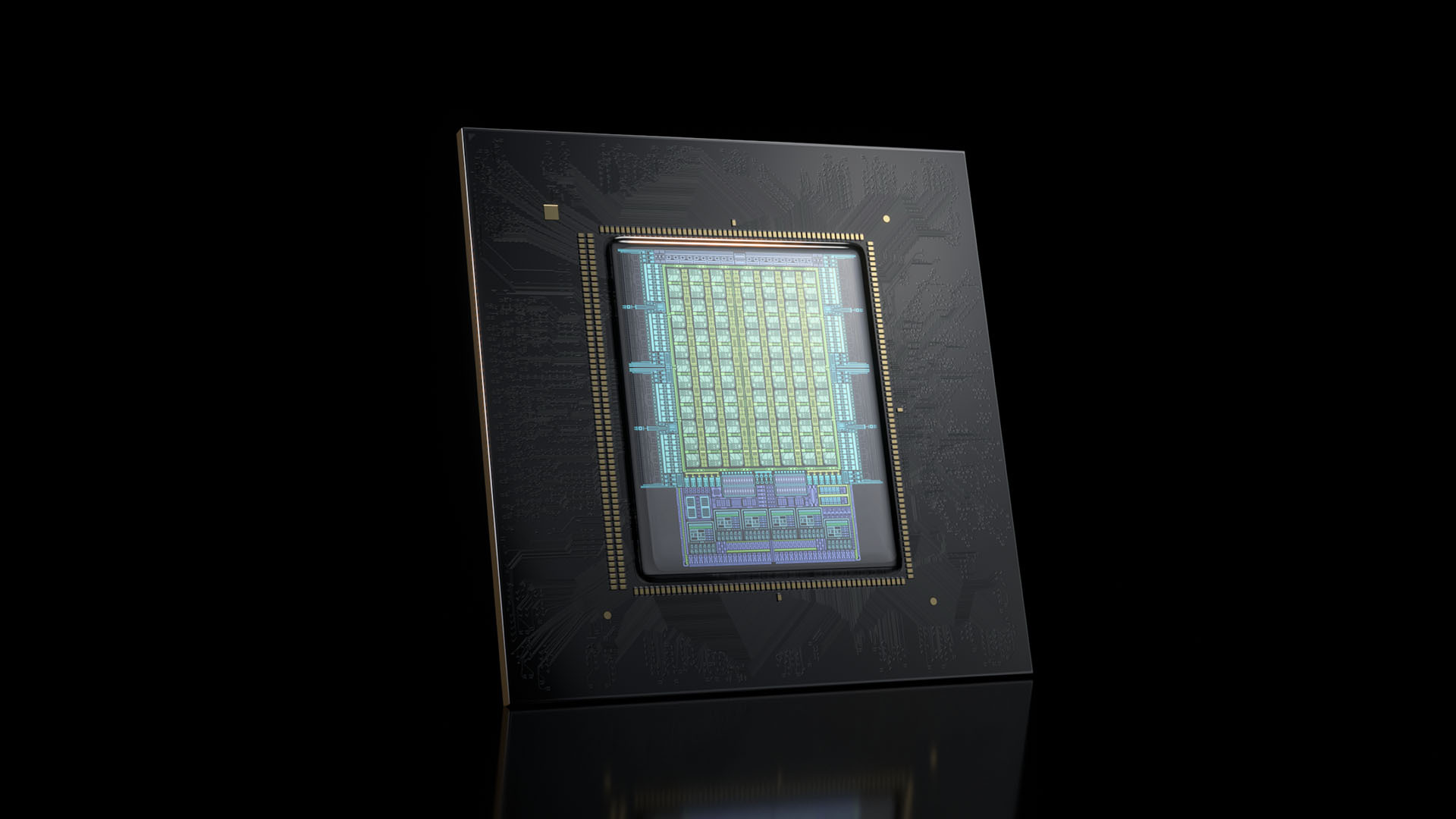
Grace uses 72 stock Arm Neoverse V2 cores, differentiated by Nvidia's Scalable Coherency Fabric (SCF). Buck said the CPUs are "being deployed for the backend, data-rich operations, like the data processing," not cheap web servers. This positions Grace as an on-ramp for Nvidia's next-generation Vera CPU, which features Nvidia's first custom core design, Olympus, and a monolithic 88-core die with 3.4 TB/s fabric bandwidth.
Key Takeaways
- Nvidia shipped hundreds of thousands of Grace standalone servers.
- The CPU pivot targets agentic AI workloads shifting hardware balance.
Agentic AI Reshapes Hardware Balance
Evolving agentic AI workloads have changed the hardware balance, shifting from as many as eight GPUs per CPU toward a one-to-one ratio in some cases. This trend has wiped around $1 trillion from Nvidia's market cap since its peak earlier this year, as investors rally behind CPU makers like Intel. Nvidia's Vera CPU, architected specifically for agentic workloads, aims to ride that train.
Vera's monolithic design contrasts sharply with Intel and AMD's chiplet approaches, which trade latency and coherency for core density. "One of the reasons we don't have 128 cores is because we've dedicated so much of the die area toward the fabric," Buck said. The 3.4 TB/s internal bandwidth allows every core to communicate efficiently, a design choice optimized for data-intensive agentic AI tasks.
Competitive Landscape Heats Up
AMD is expected to launch its Zen 6 Venice CPUs this week, intensifying the battle. Meanwhile, Nvidia's Vera Rubin NVL72 rack system faced delays to 2028, per recent reports. The company's CPU push comes amid broader AI infrastructure buildout, with hyperscaler off-balance-sheet debt hitting $1.65 trillion across five tech giants, as previously reported.
The question is whether Nvidia's monolithic bet pays off against Intel and AMD's chiplet ecosystems. Grace cracked the door; Vera represents Nvidia's big entrance.
What to watch
Watch AMD's Zen 6 Venice launch this week and Nvidia's Vera Rubin NVL72 delivery timeline, especially whether enterprise adoption of standalone Grace servers accelerates beyond the hundreds of thousands mark.
Source: tomshardware.com