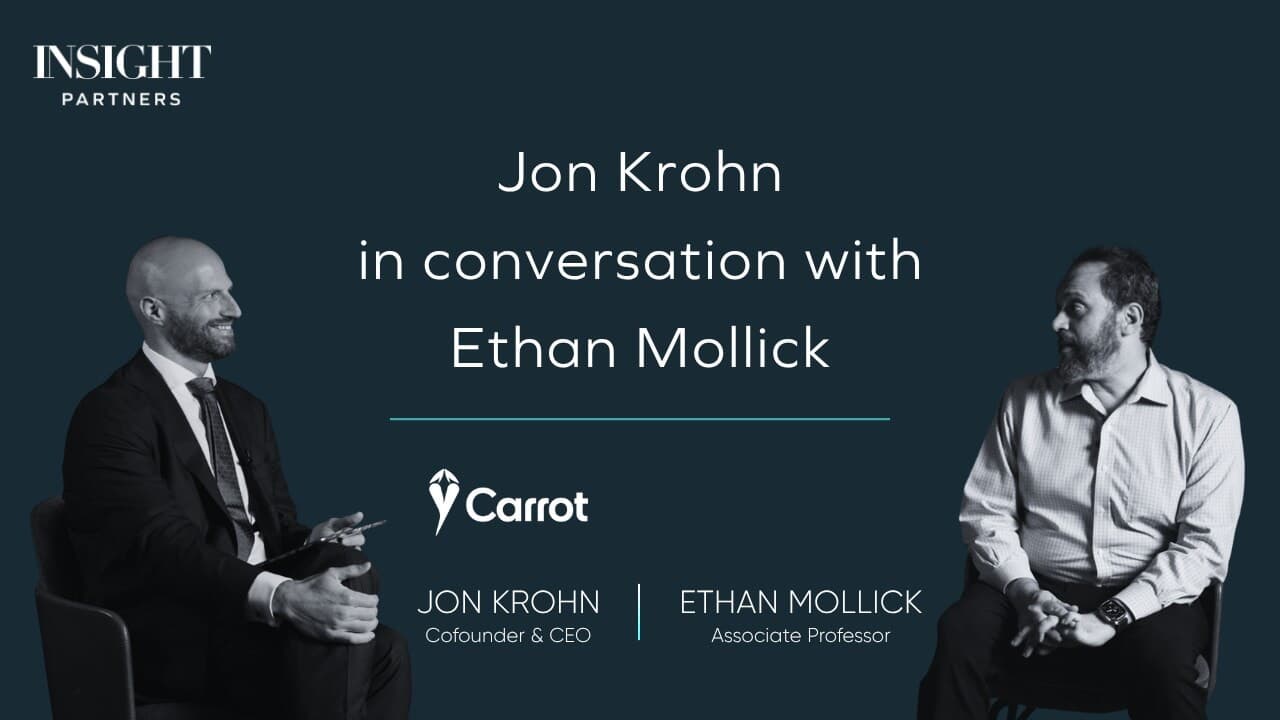
Academic and AI commentator Ethan Mollick has publicly challenged a growing wave of skepticism aimed at Anthropic’s recent ‘Mythos’ report, a document outlining potential catastrophic cybersecurity risks posed by advanced AI models. In a post on X, Mollick contends that critics labeling the report as mere “marketing hype” are missing the substantive concerns being taken seriously by major institutions.
Mollick’s core argument is twofold. First, he states that anyone using the latest agentic AI coding tools would find the premise of large-scale cybersecurity implications “believable,” especially after reviewing existing red team reports. He suggests the prudent starting position is to assume new risks exist, rather than dismiss them outright.
Second, he counters the narrative that the warnings are a cynical sales tactic. “I am not sure 'our product is dangerous and we need to alert the government to that' is the sales pitch to the corporate world that critics seem to think it is,” Mollick writes. He observes that, flawed benchmarks aside, ‘Mythos’ is being treated with seriousness within large organizations staffed by experts “who would rather not be worried about a new cybersecurity risk.”
The pushback Mollick references appears to stem from a segment of the AI community that views such risk disclosures from major labs with intense suspicion, often framing them as attempts to regulate the market or create fear-based differentiation.
gentic.news Analysis

Mollick’s intervention highlights a persistent and deepening fault line in the AI ecosystem: the credibility of existential risk narratives from profit-driven entities. This isn't Anthropic's first foray into this arena; their consistent focus on AI safety and constitutional AI frames their public identity. However, when a lab with a multi-billion dollar valuation and competitive products like Claude issues a warning dubbed ‘Mythos,’ it inevitably faces scrutiny over its motives. Critics, including some prominent AI researchers and open-source advocates, often view such publications as strategic positioning—a way to lobby for regulations that would cement the advantage of well-resourced incumbents while stifling smaller players.
Mollick’s point about institutional uptake is crucial. If large financial, governmental, and critical infrastructure organizations are indeed conducting internal reviews based on ‘Mythos,’ it signifies that the risk assessment is moving from theoretical debate to operational concern. This aligns with a broader trend we've covered, such as the escalating focus on AI security and preparedness within enterprise and government contracts. The discourse is no longer confined to alignment researchers; it's engaging CISOs and policy makers. The real test for ‘Mythos’ will be whether its specific threat models lead to tangible, technical defensive measures, or remain a topic for abstract governance discussions.
Frequently Asked Questions
What is Anthropic's 'Mythos' report?
The 'Mythos' report is a publication from AI company Anthropic detailing potential catastrophic cybersecurity risks that could emerge from the development of increasingly capable AI agent systems. It likely involves scenarios where AI models could autonomously exploit software vulnerabilities at scale or enable novel forms of cyber attacks.
Why are some people criticizing the Mythos report?
A segment of critics, including some from the open-source AI community and skeptical researchers, argue that such risk disclosures from large AI labs are exaggerated marketing or 'hype.' They suspect the motivations may be to encourage regulation that favors established companies, create a fear-based narrative for competitive advantage, or distract from more immediate harms caused by AI.
What is Ethan Mollick's position on AI risk?
Ethan Mollick, a professor at the Wharton School who studies AI implementation, generally adopts a pragmatic stance. He advocates for taking emerging AI risks seriously based on observed capabilities (like those in agentic coding tools) and institutional reactions, while remaining engaged with the technology's positive applications. He often acts as an interpreter between AI labs, academia, and the public.
How are businesses reacting to AI risk warnings like Mythos?
According to Mollick's observations, many large institutions and corporations are treating the warnings with serious internal consideration. For these organizations, the priority is pragmatic risk management—understanding potential threats to their operations and infrastructure—rather than engaging in broader philosophical debates about AI hype.