Key Takeaways
- Beet.TV reports that first movers in agentic commerce, where AI agents autonomously shop, gain lasting advantages as LLMs improve memory.
- This matters because early adoption creates data moats that compound over time, potentially reshaping competition in retail.
What Happened
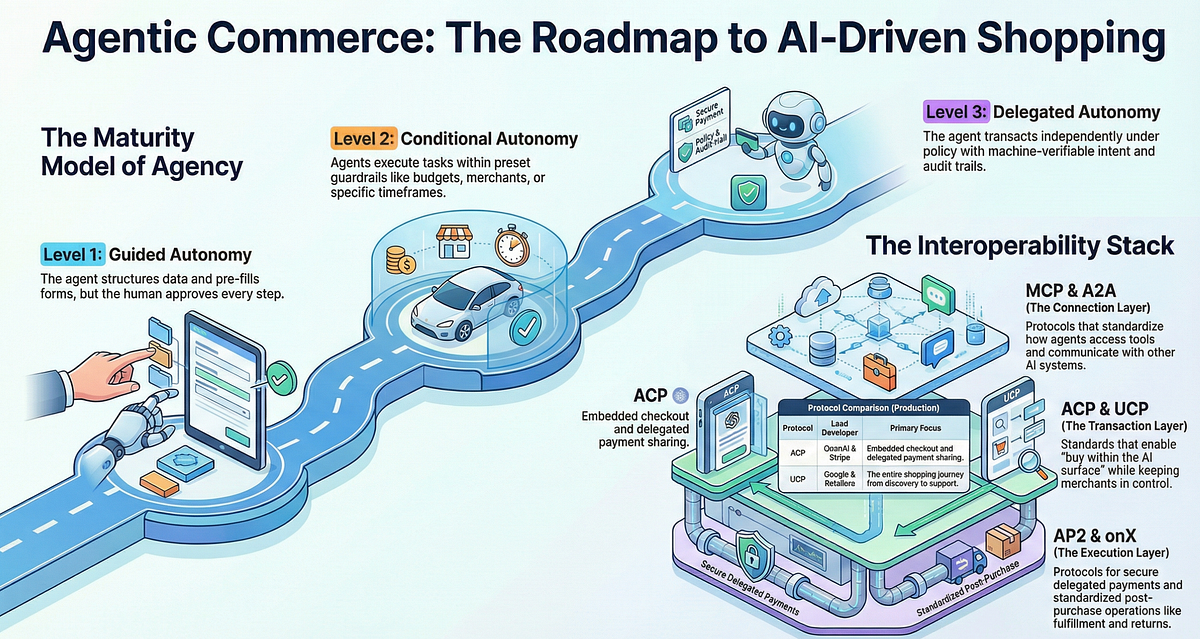
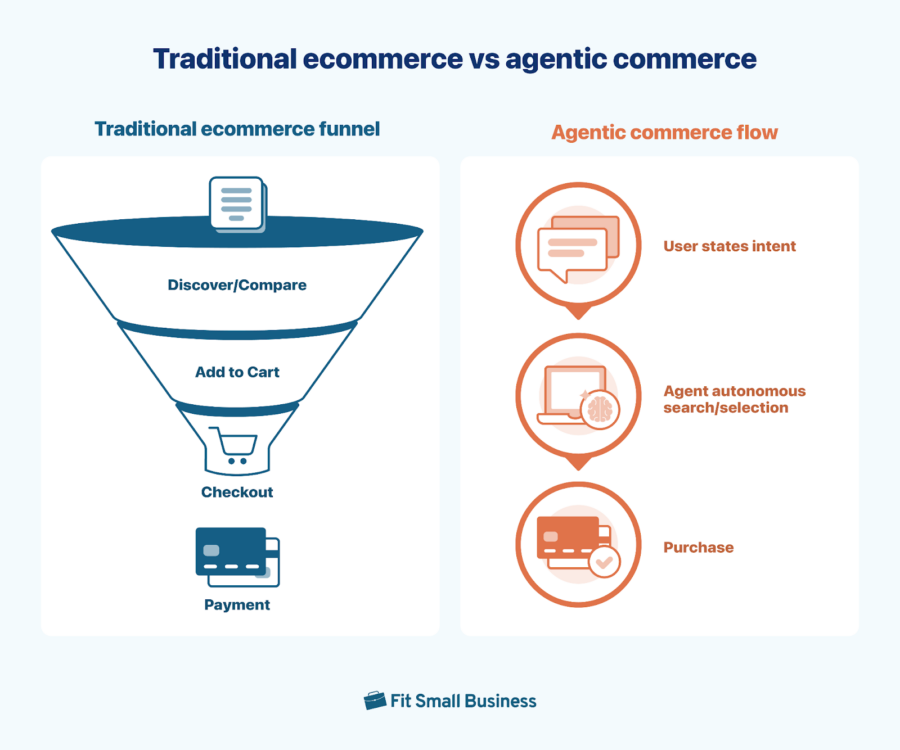
Beet.TV reports that first movers in agentic commerce—where AI agents autonomously complete shopping tasks for users—may build lasting competitive advantages as large language models (LLMs) improve their ability to learn and remember. The thesis is straightforward: the earlier a retailer deploys agentic commerce, the more interaction data it collects, and as LLMs get better at retaining and applying that data, the agent becomes more personalized and effective, creating a self-reinforcing moat.
The report draws on commentary from industry observers and is contextualized by recent moves from major players. Algolia recently launched agentic commerce capabilities for modern storefronts, promising AI shopping experiences built on trusted product data. JD Sports, in partnership with Braze, is actively building the future of agentic commerce, as covered by WWD. Adobe Commerce has also introduced AI-ready product discovery features.
Why This Matters for Retail & Luxury
For luxury and retail brands, the agentic commerce thesis has direct implications. The core value proposition is that an AI agent—not a human shopper—handles the entire purchase journey: browsing, comparing, selecting, and checking out. If that agent remembers a customer's size, style preferences, past purchases, and even returns history, it becomes dramatically more effective over time.
This is particularly relevant for:
- Personal shopping at scale: Luxury brands like Kering or Richemont could deploy agents that act like personal shoppers, knowing each client's preferences across brands and seasons.
- Recurring replenishment: For beauty or essentials, an agent that remembers past orders can automate replenishment with zero friction.
- Cross-brand curation: A holding company like LVMH could have an agent that surfaces complementary products across its portfolio (e.g., a Dior dress with Guerlain fragrance).
Business Impact
The report does not provide specific metrics, but the logic is consistent with broader industry dynamics. NIQ's recent report (covered by gentic.news) found AI personalization boosts retail revenue by 10-30%. Agentic commerce takes personalization further by making it autonomous. The competitive advantage compounds: more interactions → better memory → higher conversion → more interactions.
Implementation Approach
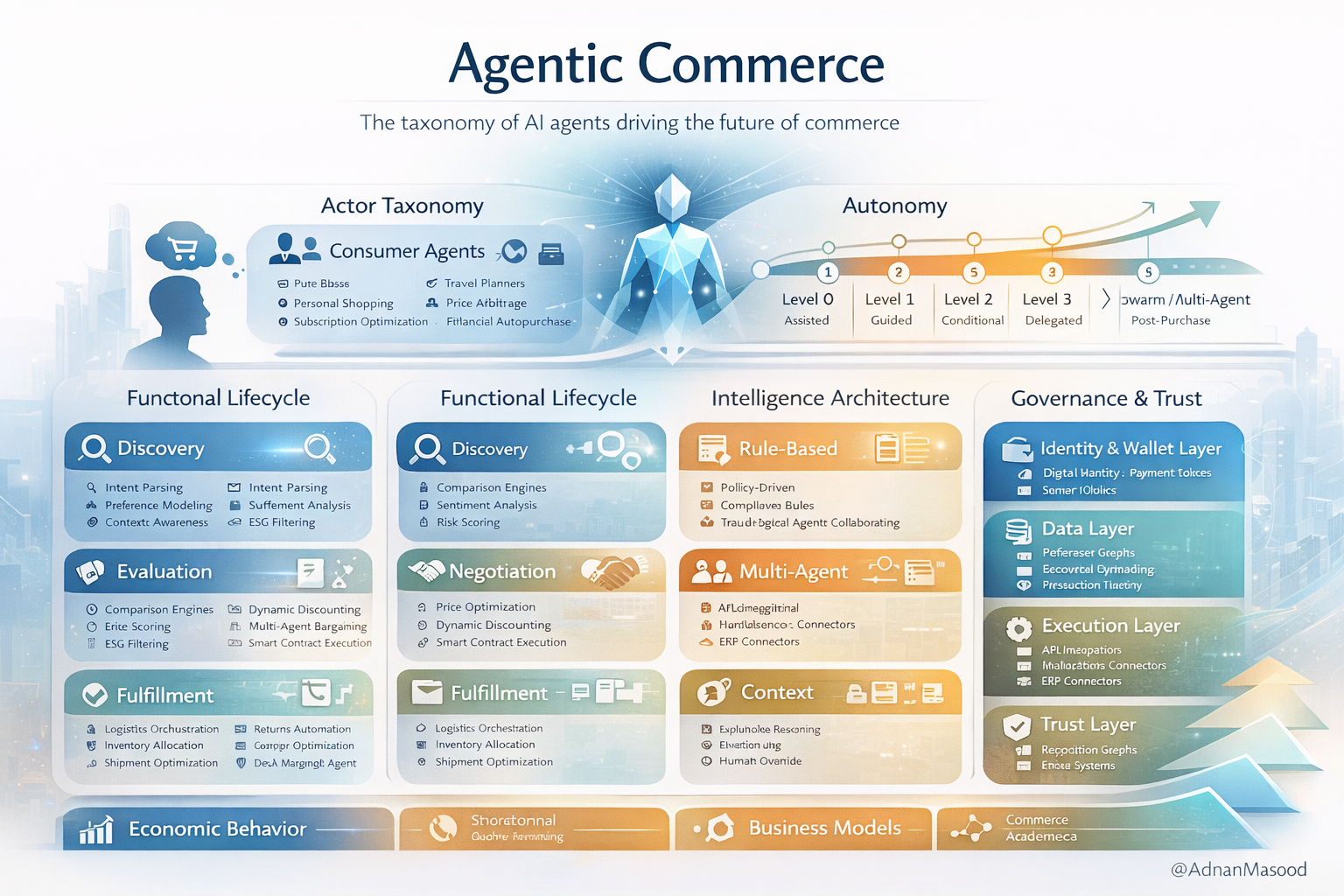
Deploying agentic commerce requires:
- Trusted product data: Agents must act on accurate, real-time inventory and pricing. Algolia emphasizes this.
- LLM integration: The agent needs a foundation model capable of memory and multi-step reasoning. Google's Gemini and OpenAI's GPT-4 are candidates.
- User consent and transparency: Customers must opt in and understand what the agent remembers.
- Feedback loops: The agent must learn from outcomes (purchases, returns, satisfaction).
Governance & Risk Assessment
- Privacy: Memory of purchase history raises GDPR and CCPA considerations. Data retention policies must be clear.
- Bias: Agents trained on limited interaction data may reinforce narrow preferences.
- Maturity: Agentic commerce is still nascent. Most implementations are pilots, not production-grade. Reliability and hallucination risks remain.
The Bottom Line
The thesis is compelling but unproven at scale. First movers in agentic commerce could indeed build lasting advantages—but only if they execute on data quality, user trust, and model integration. For luxury and retail, the window to experiment is now, before competitors' agents become irreplaceable.
Source: news.google.com