What Happened
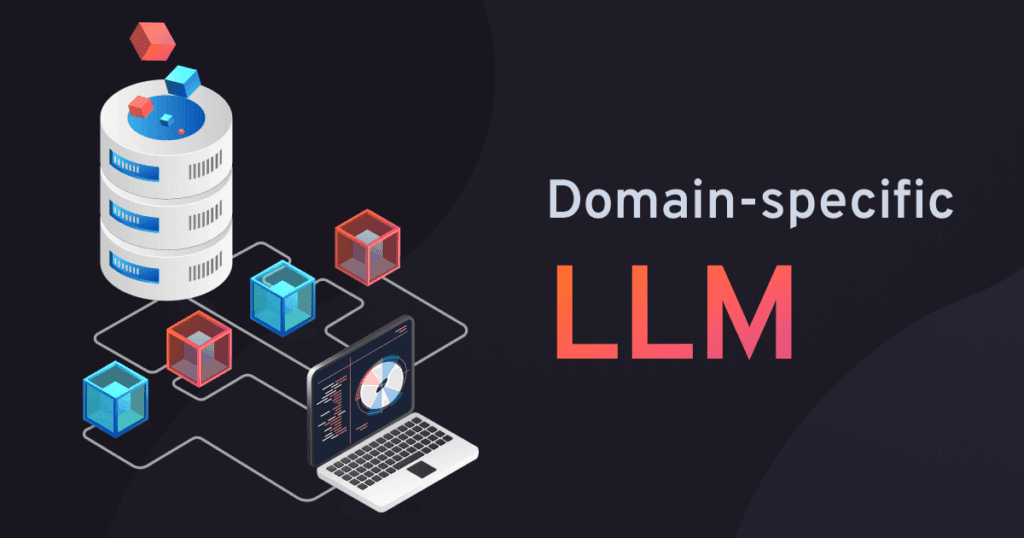
Fractal Analytics has officially launched LLM Studio, a new enterprise platform designed to help organizations build, deploy, and manage custom large language models (LLMs) tailored to specific business domains. The announcement was made at the NVIDIA GTC 2026 conference.
The launch reflects a broader enterprise trend: a shift away from relying solely on generic, API-based LLMs (like GPT-4 or Claude) toward developing smaller, purpose-built systems. Companies are seeking models that are more aligned with proprietary data, specific use cases, and require greater control over governance, cost, and deployment.
Technical Details
LLM Studio is built on NVIDIA's AI infrastructure, specifically leveraging:
- NVIDIA NeMo: For the model development and customization phase.
- NVIDIA NIM Microservices: For standardized deployment and inference.
- NVIDIA Reference Architectures: To ensure consistent deployment across cloud environments.
Fractal plans to incorporate NVIDIA’s open-source Nemotron models into its development workflow. The platform is structured around two core modules:
- AutoLLM: This module handles the creation and customization of domain-specific models. It allows teams to use open-source model frameworks and anchor the model's knowledge and outputs to approved, internal organizational data. This is critical for reducing hallucinations and improving factual consistency in specialized domains.
- LLMOps: This module supports the operational lifecycle—deployment, monitoring, and ongoing management of models in production. It provides the tooling needed for governance and observability.
A key stated benefit is that companies retain full ownership of their custom models and can deploy them across various applications, including powering AI agents.
Retail & Luxury Implications
For retail and luxury enterprises, the move toward domain-specific LLMs is particularly relevant. The generic knowledge of a public LLM often falls short when dealing with the nuanced language of fashion, the intricacies of luxury brand heritage, proprietary supply chain data, or highly structured customer service protocols.
Fractal's LLM Studio, as described, could theoretically enable several tailored applications:
- Hyper-Specialized Customer Service Agents: Building a customer service LLM trained exclusively on a brand's product catalogs, care instructions, return policies, and historical service transcripts. This would create an agent that speaks in the brand's exact voice and has deep, accurate product knowledge.
- Design & Trend Analysis Assistants: Creating a model fine-tuned on decades of a fashion house's design archives, trend reports, and fabric research to assist designers with inspiration and material selection, grounded entirely in the brand's aesthetic legacy.
- Controlled Content Generation: Developing a model that generates marketing copy, product descriptions, or internal communications that are pre-aligned with brand guidelines and compliance standards, ensuring consistency and reducing legal or reputational risk.
- Supply Chain & Logistics Reasoning: Building a model that understands the unique terminology, processes, and data schemas of a global luxury supply chain to help analyze disruptions, optimize logistics, and generate reports.
The platform's emphasis on governance, monitoring, and data anchoring directly addresses major luxury industry concerns: protecting brand integrity, ensuring accuracy, and maintaining control over sensitive data. The ability to deploy these models on-premises or in a private cloud (via NVIDIA NIM) aligns with the stringent data security requirements common in the sector.