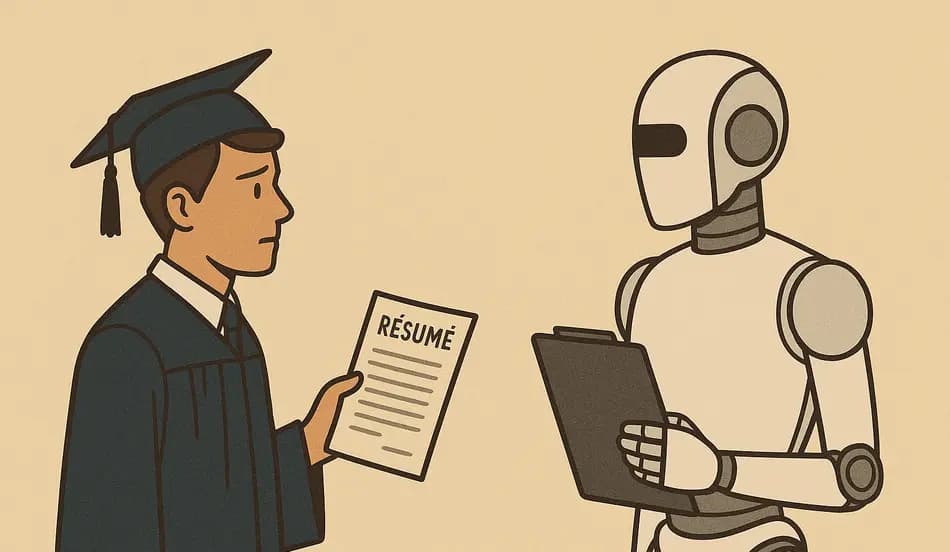
For the past two years, the CEOs of leading artificial intelligence laboratories have been issuing increasingly stark warnings about the potential for AI to displace human workers on a massive scale. Figures like OpenAI's Sam Altman, Anthropic's Dario Amodei, and Google DeepMind's Demis Hassabis have repeatedly cautioned that the very technologies their companies are building could fundamentally reshape labor markets. Yet, until recently, these warnings were largely met with skepticism or dismissal from both the public and policymakers.
The Warning Phase: 2022-2024
Beginning around 2022, as large language models demonstrated unprecedented capabilities, AI leaders began speaking more openly about potential economic consequences. In interviews, congressional testimonies, and public forums, they described scenarios where AI could automate not just routine tasks but complex cognitive work across numerous professions. OpenAI's Sam Altman testified before Congress about potential job displacement, while Anthropic's leadership discussed the need for societal preparation for AI's economic impacts.
These warnings were often framed as responsible foresight—attempts to prepare society for changes that seemed inevitable given the trajectory of AI development. However, they existed in a curious tension with the simultaneous marketing of AI products designed to increase productivity, often through automating tasks previously performed by humans.
The Shift in Public Perception
What has changed recently, according to observers like Wharton professor Ethan Mollick who highlighted this dynamic on social media, is that AI has become "more salient" to the general population. Several factors have contributed to this shift:
- Widespread adoption of generative AI tools like ChatGPT, Midjourney, and Claude has given millions of people firsthand experience with AI capabilities
- Visible impacts in creative industries where AI-generated content is already competing with human creators
- Corporate announcements about AI-driven restructuring and efficiency initiatives
- Economic studies projecting significant job displacement across multiple sectors
As workers see AI tools performing tasks similar to their own jobs—whether writing reports, analyzing data, creating designs, or providing customer service—abstract warnings about future disruption have become tangible present concerns.
The Policy Response Begins to Form
This increased salience is translating into political action. Policymakers who previously viewed AI job displacement as a distant concern are now drafting legislation and holding hearings focused specifically on labor market impacts. The European Union's AI Act includes provisions about workplace AI transparency, while several U.S. states have proposed bills requiring disclosure when AI systems are used in hiring or employment decisions.
Labor unions, which initially approached AI with cautious interest in productivity gains, are increasingly negotiating AI-specific provisions in contracts. The 2023 Hollywood writers' and actors' strikes prominently featured demands around AI usage, setting a precedent for other industries.
Implications for the AI Industry
The growing seriousness with which these warnings are being taken creates several challenges for AI companies:
Regulatory Pressure: Companies may face increased scrutiny and potential regulation of how they develop and deploy AI systems, particularly those aimed at workplace automation.
Public Relations Challenges: The same executives who warned about job displacement must now navigate public perception that their companies are actively creating the disruption they cautioned against.
Ethical Considerations: There's growing expectation that AI developers should contribute to solutions for workforce transition, whether through funding retraining programs, supporting universal basic income experiments, or developing AI tools that augment rather than replace human workers.
Market Dynamics: As awareness grows, businesses purchasing AI solutions may face pressure from employees and customers to implement AI responsibly, potentially slowing adoption in some sectors.
The Historical Context of Technological Disruption
This moment represents a departure from previous technological revolutions. Typically, technology creators have emphasized benefits while downplaying displacement concerns. The industrial revolution's inventors didn't warn about Luddite uprisings; computer pioneers didn't lead discussions about offshoring. AI leaders' preemptive warnings—whether motivated by genuine concern, risk management, or public relations strategy—create an unusual dynamic where the disruptors are actively sounding alarm bells.
However, critics note that warning about displacement while simultaneously building displacing technologies creates what some ethicists call a "responsibility paradox." If AI leaders genuinely believe their technology will cause massive job losses, questions arise about whether they should be developing it differently or advocating more aggressively for protective policies.
Looking Forward: From Warnings to Solutions
The next phase will likely involve moving from warnings to concrete proposals. Some AI companies have begun supporting research into AI's economic impacts and potential mitigation strategies. OpenAI, for instance, has funded studies on AI and the labor market, while Anthropic has emphasized developing "constitutional AI" that aligns with human values including economic wellbeing.
What remains unclear is whether these efforts will be sufficient to address the scale of disruption predicted. As Professor Mollick notes in his observation, the fact that these warnings are now being taken seriously "with big implications for the industry" suggests we may be approaching a tipping point where abstract concerns become urgent policy priorities.
The coming year will test whether AI companies can balance their dual roles as both creators of disruptive technology and responsible stewards of its societal impacts. How they navigate this tension may determine not just the future of work, but public trust in the AI industry itself.
Source: Analysis inspired by Ethan Mollick's observation on social media regarding shifting responses to AI executives' warnings about job displacement.