The Innovation — What the Source Reports
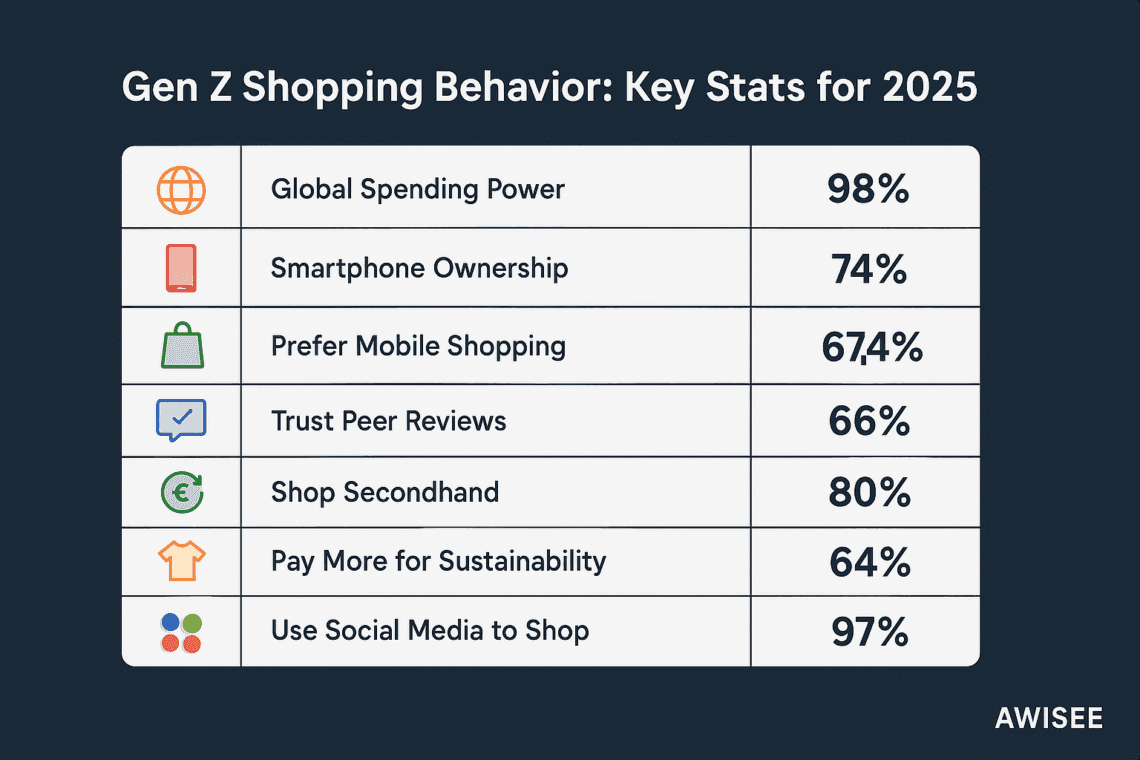
A report from MediaPost, dated March 23, 2026, identifies Generation Z as the demographic leading the adoption of AI agents for shopping. While the full article is not accessible, the headline and date point to a significant trend: AI-powered autonomous shopping assistants are moving from early-adopter tech circles into the mainstream consumer base, with younger shoppers at the forefront.
This aligns with a broader industry prediction from late 2026, captured in our knowledge base, which forecasted 2026 as a breakthrough year for AI agents across all domains. The MediaPost report provides a concrete, consumer-facing validation of that prediction, specifically within the commerce sector.
Why This Matters for Retail & Luxury
For luxury and premium retail, this is not a distant future scenario but an imminent shift in the customer journey. Gen Z's comfort with AI agents will redefine key touchpoints:
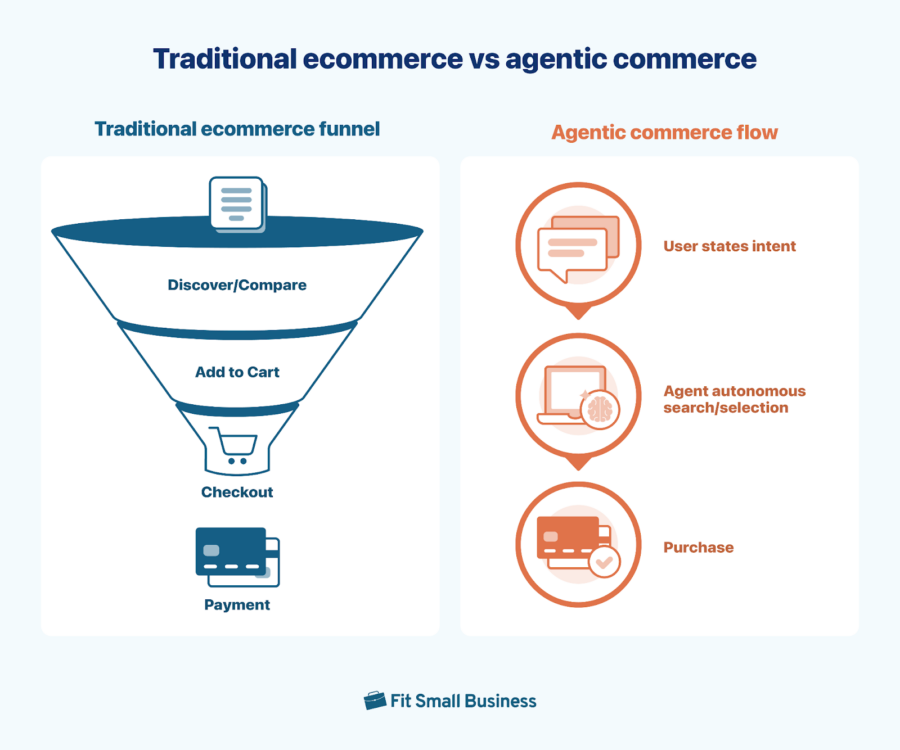
- Discovery & Curation: Instead of browsing curated feeds or search results, a consumer's AI agent will be tasked with finding the perfect item based on complex, personal criteria (e.g., "find a sustainable, minimalist leather tote that fits a 15-inch laptop and matches my existing wardrobe palette").
- Sizing & Fit: AI agents will act as personal stylists and fit experts. This connects directly to Google's recent launch of an Agentic Sizing Protocol for retail AI agents on March 25, 2026—a tool explicitly designed to help agents handle the nuanced task of product sizing, a perennial pain point in online luxury fashion.
- Cross-Platform Commerce: An AI agent won't be loyal to a single brand's website. It will be empowered to search across retailers, marketplaces, and resale platforms to fulfill its user's goal, prioritizing factors like price, availability, sustainability credentials, and shipping speed. This underscores the importance of open standards like the Universal Commerce Protocol (UCP), which Google unveiled on March 21, 2026, to secure agentic commerce transactions.
- Post-Purchase & Loyalty: Agents will manage returns, track orders, and even re-order favorite items or suggest complementary products, deepening the relationship but also shifting the brand interaction point from a direct human-to-brand interface to an agent-mediated one.
Business Impact
The business impact is foundational: who controls the agent controls the customer relationship. If a consumer delegates their shopping intent to an AI agent, the brand's ability to capture that customer through traditional marketing, SEO, and even elegant store design is diminished. The primary relationship becomes between the user and their agent. Brands must therefore ensure they are "agent-friendly"—their product data must be structured, accurate, and accessible for AI agents to parse and act upon.
This trend also validates investments in AI-driven personalization and backend product information management (PIM) systems. An agent making a decision on behalf of a user will rely on high-fidelity data: detailed materials, precise measurements, provenance, and lifecycle information. Brands with superior, agent-accessible data will win in this new landscape.
Implementation Approach
Preparing for an agent-driven commerce future requires both technical and strategic shifts:
- Data Infrastructure: Audit and enhance your product data schema. Implement detailed attribute tagging (materials, fit, occasion, style) and ensure high-quality imagery from multiple angles. This is the fuel for any AI agent's decision-making process.
- API & Protocol Readiness: Monitor and adopt emerging standards like the Universal Commerce Protocol (UCP). Ensure your e-commerce APIs are robust, well-documented, and can handle queries from non-human actors (agents) that may behave differently than human shoppers on a browser.
- Agent-Specific Tools: Explore integrating tools like Google's Agentic Sizing Protocol to provide a superior, trust-building experience for agents tasked with solving the fit problem. Consider developing brand-specific tools or plugins that allow AI agents to perform privileged actions (e.g., checking exclusive inventory, accessing pre-release information) on behalf of loyal customers.
- Partner Ecosystem: Recognize that major tech platforms are building the infrastructure for this shift. Google's flurry of recent agent-related launches—from the Chrome DevTools MCP server to the Workspace MCP Endpoint—signals a concerted push to own the agent tooling layer. Brands should engage with these platforms to understand how to position themselves within emerging agent ecosystems.
Governance & Risk Assessment
The rise of shopping agents introduces new risks:
- Brand Dilution: If an agent consistently presents your $5,000 handbag next to a fast-fashion lookalike on a pure price/feature comparison, it can erode perceived brand value. Strategies to communicate intangible value (heritage, craftsmanship, exclusivity) to AI agents will be crucial.
- Bias & Fairness: Agents trained on broad internet data may inherit or amplify biases. A brand could be unfairly excluded from an agent's consideration set due to latent bias in the agent's underlying models.
- Data Privacy & Security: Agents will require access to personal user data (size, style preferences, budget) and may store transaction histories. The security of these agent platforms and the transparency around data usage will be paramount for luxury consumers who value discretion.
- Economic Model Disruption: The economics of customer acquisition will change. Affiliate marketing, paid search, and other performance channels may be disrupted if the purchase funnel is controlled by an autonomous agent. New forms of "agent affiliate" partnerships may emerge.
gentic.news Analysis
This MediaPost report is a data point in a much larger, accelerating trend. Our knowledge graph shows AI Agents have been mentioned in 150 prior articles and appeared in 24 this week alone, indicating intense focus. Similarly, Google (182 total mentions, 40 this week) is aggressively positioning itself as the infrastructure provider for this agentic future, with a cluster of announcements in late March 2026 related to agent tooling, protocols, and compression (like TurboQuant) to make agent operations more efficient.
The key connection for retail leaders is the interplay between consumer adoption (Gen Z leading) and the industrial infrastructure being built simultaneously. Google's launch of the Universal Commerce Protocol (UCP) just two days before this MediaPost report is not a coincidence. It represents the plumbing needed to make secure, reliable agentic commerce a reality at scale.
This also relates to our recent coverage on building next-generation recommendation systems with AI agents and RAG. The future system is not a static webpage with a "You May Also Like" sidebar, but a dynamic, goal-oriented dialogue between a user's autonomous agent and a brand's AI-enabled commerce infrastructure. For luxury brands, the challenge is to preserve the essence of brand desire, storytelling, and exclusivity in a world where purchase decisions are increasingly delegated to utilitarian software agents. The winners will be those who master both the art of brand and the science of being agent-ready.