What Changed — The Stateless MCP Spec Hits GitHub on July 28, 2026
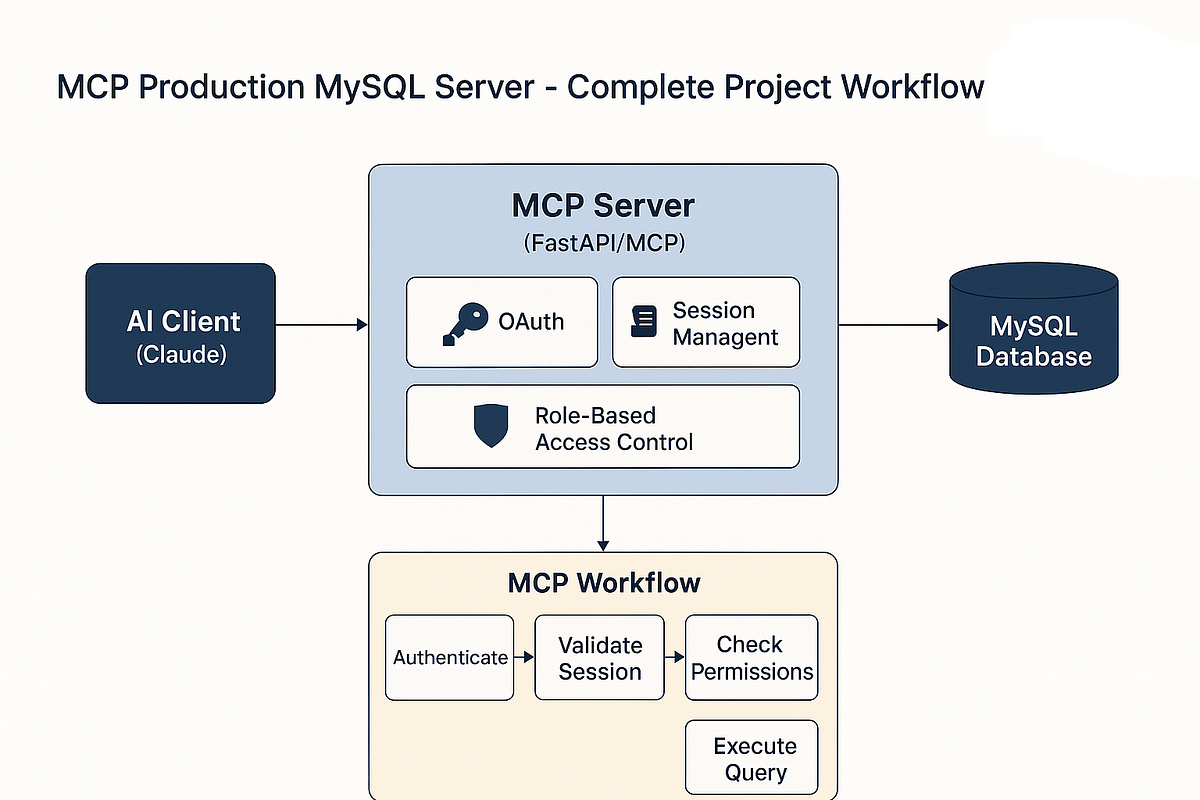
The MCP protocol is going stateless. On July 28, 2026, the new specification drops the initialize handshake and session management, making every request independent. The GitHub MCP Server already supports this ahead of the official release, using the official Go SDK.
Three concrete changes in the GitHub MCP Server:
- Removed Redis sessions: No more database writes on
initializeor reads on every call. Connections are snappier without losing functionality. - Avoided deep packet inspection: The server now reads logging and secret scanning values from HTTP headers instead of inspecting every request payload before the SDK does.
- Upgraded elicitation: The stdio MCP server now handles URL elicitation as separate HTTP requests, with a Go SDK wrapper ensuring backward compatibility with old clients.
MCP also added official conformance tests. Strict validation helps AI agents—including Claude Code—verify their work against a standard test suite.
What It Means For You — Faster Connections, Easier Scaling
For Claude Code users, this update is invisible but impactful:
- Faster handshakes: No
initializeround-trip means you connect to GitHub repos quicker. Parallel handshakes make multi-server setups snappier. - No session overhead: You can run multiple Claude Code instances against the same GitHub MCP Server without session collisions or cleanup.
- Backward compatible: You don't need to change anything. The GitHub MCP Server already works with current Claude Code clients.
- Conformance tests: When building custom MCP servers, you can now validate against official tests, reducing debugging time.
Try It Now — No Action Needed, But Verify Your Setup
- Update your Claude Code client (if not auto-updating): Ensure you're on the latest version that supports the new MCP spec. The SDKs are backward compatible, but staying current ensures you benefit from parallel handshakes.
- Check your GitHub MCP Server config: If you run a custom GitHub MCP Server, update to the latest version that uses the Go SDK's stateless wrapper. The official server already supports it.
- Test with a simple command: Run
claude codeand open a GitHub repo. You should notice slightly faster connection times. No configuration changes needed. - For custom MCP servers: Use the official conformance tests to validate your implementation. Run
mcp-conformance-testagainst your server to catch issues early.

Why This Matters for Scale
The stateless core makes MCP deployments easier to scale horizontally. If you run Claude Code in CI/CD pipelines or with multiple agents, you can now load-balance MCP server instances without worrying about session state. No more Redis cleanup scripts or sticky sessions.
Extensions like MCP apps and Enterprise Managed Auth (already supported by VS Code) become simpler to implement on top of this stateless foundation.
The Bottom Line
The GitHub MCP Server's stateless upgrade is a zero-friction improvement for Claude Code users. Faster connections, simpler scaling, and backward compatibility mean you get the benefits without touching your workflow. If you build custom MCP servers, the conformance tests are the real win—use them to ship with confidence.
Source: github.blog