GitHub released Spec Kit, an open-source toolkit targeting vibe coding's weakest link. The tool forces AI coding agents to write specifications before generating code, addressing a fundamental workflow flaw.
Key facts
- GitHub released Spec Kit as an open-source toolkit.
- It enforces specification-first workflows for AI coding.
- The tool targets 'vibe coding' paradigm popularized by Andrej Karpathy.
- No pricing, licensing, or adoption metrics were disclosed.
- Competitors include Sourcegraph Cody Spec and Anthropic Claude Code.
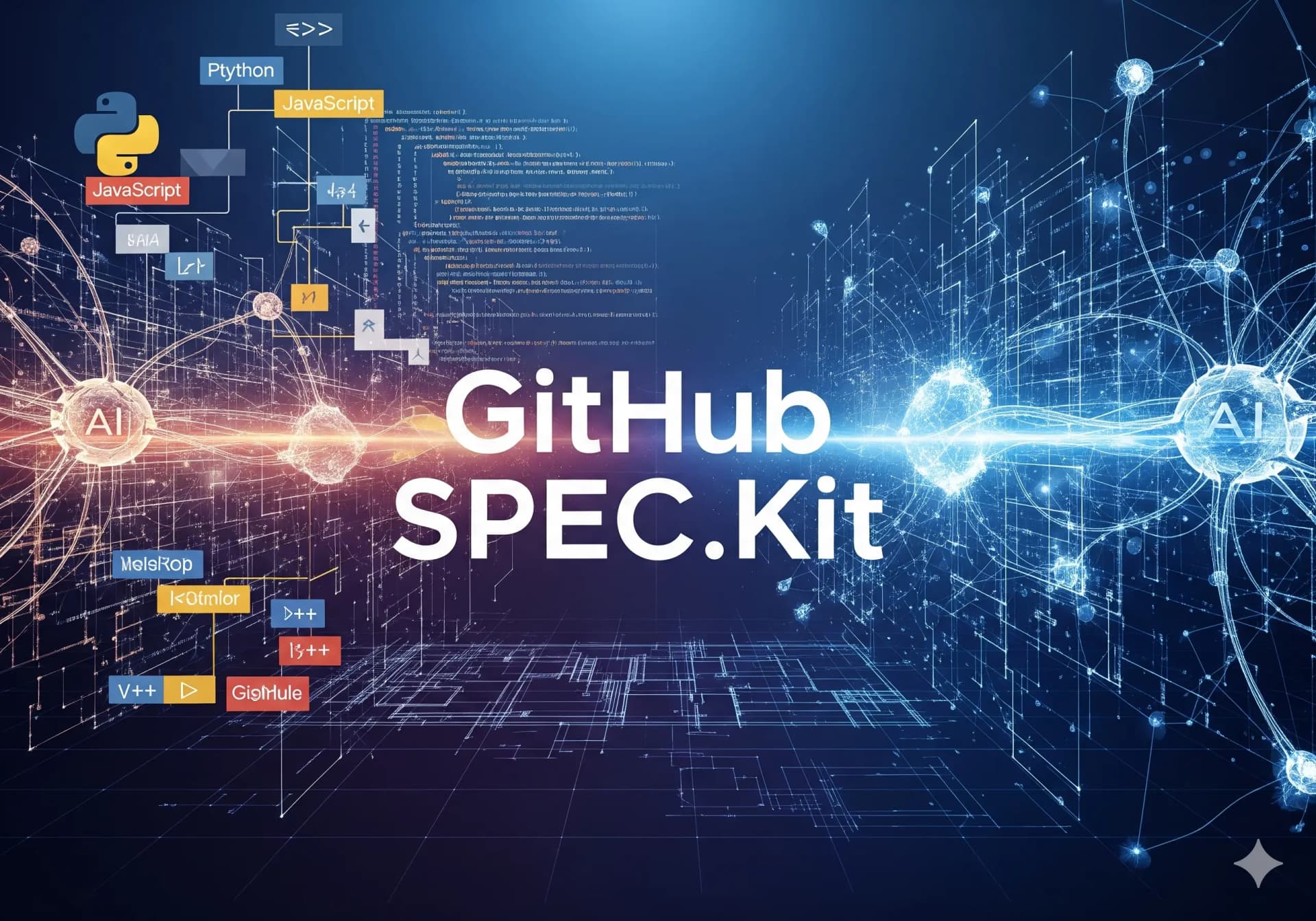
GitHub released Spec Kit, an open-source toolkit to fix vibe coding's biggest weakness: the AI often starts coding before requirements are clear According to @rohanpaul_ai. The announcement, shared via a post on X, describes the tool as a way to enforce structured specification-first workflows in generative coding environments.
The toolkit enforces a specification-first workflow, forcing developers to define what the code should do before the AI generates any output. This mirrors practices from formal software engineering—like writing test cases before implementation or documenting APIs before coding—but adapted for the chat-driven AI coding paradigm where speed often trumps rigor.
Spec Kit is explicitly designed for the 'vibe coding' paradigm where developers describe intent in natural language and let AI generate the implementation. The term, popularized by Andrej Karpathy in 2025, describes a style where developers rely heavily on AI to produce code with minimal upfront design. GitHub's move suggests the company recognizes that this approach, while fast, produces brittle code when requirements are ambiguous.
The toolkit does not disclose adoption metrics or which internal teams at GitHub have tested it in production. No pricing or licensing model was announced—the repository is open-source, per the post. It competes indirectly with Anthropic's Claude Code and OpenAI's Codex, which both allow iterative refinement but lack built-in spec enforcement.
Why This Matters More Than the Press Release Suggests
The announcement signals a structural shift in how platform vendors view AI coding. For the past 18 months, the narrative has been 'AI generates code faster than humans.' GitHub is now tacitly admitting that speed without structure produces technical debt. Spec Kit is a bet that the market will pay for process, not just output—a thesis that directly contradicts the 'just prompt it' ethos that drove adoption of tools like Cursor and Copilot Chat.
The timing is notable: GitHub's parent company Microsoft has been investing heavily in AI agents that autonomously execute multi-step tasks. Spec Kit could serve as a gatekeeper for those agents, ensuring they don't generate code until a specification is validated. If adopted, it would create a new layer in the AI coding stack—specification-as-a-service—that competitors like Replit and Sourcegraph would need to match.
What Spec Kit Does and Doesn't Do
Spec Kit does not enforce any particular specification format—developers can use markdown, YAML, or natural language. It also doesn't validate that the generated code matches the spec; that verification step is left to the developer or external testing tools. The toolkit is essentially a prompt template that inserts a spec-writing step into the AI interaction loop.
This is a lightweight intervention compared to formal methods like TLA+ or Alloy, which mathematically verify specifications before code is written. Spec Kit is closer to a 'requirements checklist'—useful for catching obvious mismatches but insufficient for complex systems where specification errors are subtle and non-local.
The broader question is whether developers will accept the friction of writing specs when they could just prompt directly. GitHub is betting that the cost of debugging bad AI-generated code outweighs the overhead of upfront specification. That bet depends on the quality of the spec format: if it's too rigid, developers will bypass it; if too loose, it won't catch errors.
Market Context and Competitive Landscape
GitHub's move follows similar patterns in the dev tools industry. In 2025, Sourcegraph released Cody Spec, a tool that generates specifications from codebases rather than requiring manual input. Anthropic's Claude Code includes a 'plan' mode that asks for requirements before generating code, but it's optional. GitHub is making spec-writing mandatory in the Spec Kit workflow, which is a stronger stance.
The open-source nature of Spec Kit is a double-edged sword. It allows community contributions and audits, which builds trust. But it also means competitors can fork the project and adapt it without licensing restrictions. GitHub's moat here is not the code but the integration with Copilot and GitHub Actions—if Spec Kit becomes the default specification layer for GitHub-hosted repositories, it locks developers into Microsoft's ecosystem.
The toolkit does not address the harder problem of verifying that AI-generated code actually implements the specification. That remains an open research area, with recent work from Google DeepMind on formal verification of LLM-generated code showing limited success on complex tasks. GitHub is effectively outsourcing the verification problem to developers, which may limit adoption in safety-critical domains like medical devices or autonomous vehicles.
What to Watch
Watch for whether GitHub integrates Spec Kit into Copilot as a default mode, and whether the toolkit gains adoption in enterprise settings where compliance requires documented requirements. The Q3 2026 GitHub Universe conference is the likely venue for such an announcement. Also track whether Anthropic or OpenAI respond with their own spec-enforcement features, which would indicate that the industry accepts the underlying thesis that AI coding needs structure.