In a significant development for both artificial intelligence and disaster preparedness, Google AI Research has introduced Groundsource, a new methodology that leverages the company's Gemini large language model to transform unstructured global news reports into structured, actionable historical datasets. This breakthrough addresses a persistent challenge in hydro-meteorological disaster management: the severe lack of rich, historical data for rapid-onset events like urban flash floods.
The Data Gap in Disaster Management
The need for Groundsource stems from a critical, real-world problem. Early Warning Systems (EWS) for natural disasters depend on extensive historical data to train accurate predictive models. However, as noted in the source material, global observation for hazards such as flash floods remains fragmented and insufficient. According to the World Meteorological Organization (WMO), flash floods are responsible for approximately 85% of all flood-related deaths worldwide, claiming over 5,000 lives annually.
Existing databases have notable limitations. Satellite-centered systems like the Global Flood Database (GFD) and Dartmouth Flood Observatory (DFO) often struggle with cloud interference, infrequent revisit intervals, and tend to underreport short-duration flash floods. Other systems, like the Global Disaster Alert and Coordination System (GDACS), catalog only about 10,000 high-impact events—a volume far too small for robust AI model training.
How Groundsource Works: From News to Knowledge
Groundsource tackles this problem by applying advanced AI to an unconventional but abundant data source: global public news reports. The methodology uses the Gemini model to process vast quantities of unstructured text—news articles from around the world—and extract structured information about historical disaster events.

The process involves several key AI capabilities:
- Information Extraction: Gemini identifies mentions of specific disaster events within news text.
- Entity and Relationship Recognition: The model pinpoints critical details such as location, date, severity, and impact.
- Structuring and Standardization: Unstructured descriptions are converted into a consistent, machine-readable format suitable for analysis and model training.
This approach effectively creates a historical record from the collective reporting of journalists worldwide, turning narrative accounts into quantifiable data.
The First Output: A Flood of Data
The inaugural output of the Groundsource methodology is a substantial, open-source dataset. It contains records of 2.6 million historical urban flash flood events spanning more than 150 countries. This dataset immediately becomes one of the most comprehensive resources of its kind, dramatically expanding the available data for researchers and engineers building flood prediction and mitigation systems.
The scale of this dataset is its primary advantage. By moving from thousands of data points to millions, AI models can be trained with far greater precision, potentially leading to more accurate and timely warnings for vulnerable populations.
Broader Implications and Context
The launch of Groundsource occurs within a period of intense activity for Google's AI division. Recent developments, as noted in the knowledge graph context, include:
- The launch of Gemini Embedding 2, a second-generation multimodal embedding model.
- The removal of rate limits and introduction of free access to the Gemini API.
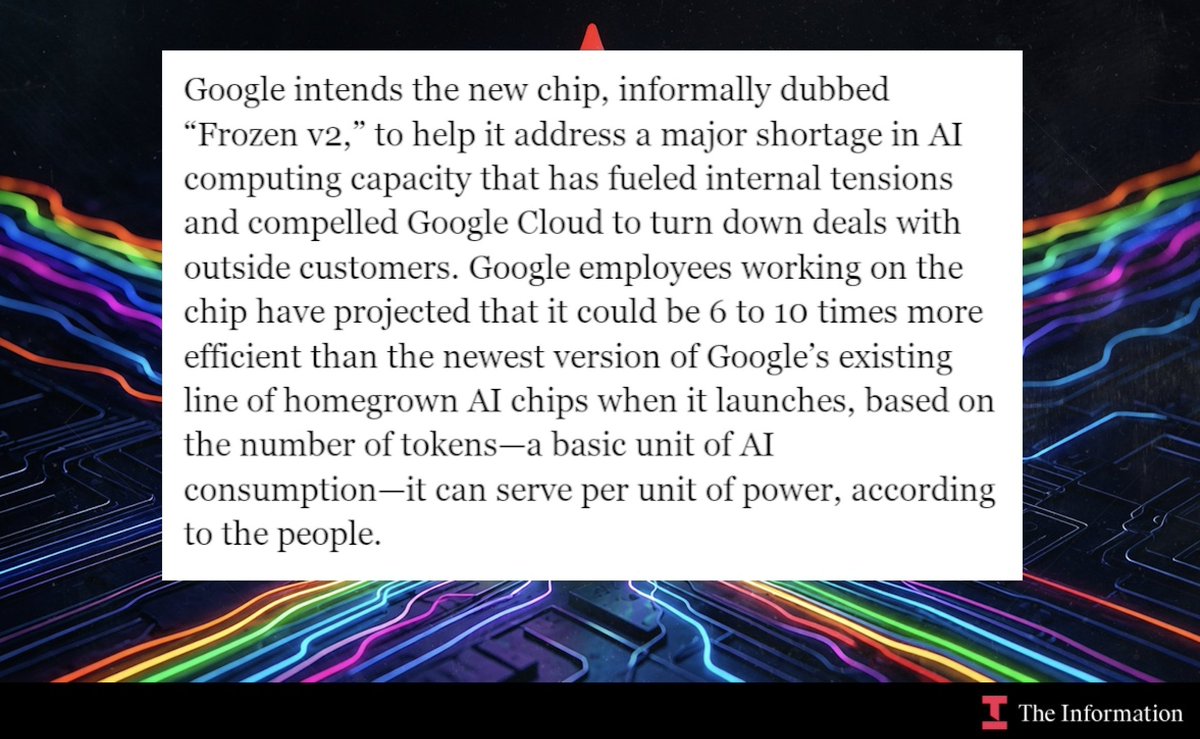
- Massive industry-wide investment, with tech giants reportedly spending $650 billion on data centers and semiconductors for AI compute.

Groundsource exemplifies a strategic shift in AI application: moving beyond chatbots and creative tools toward solving complex, data-scarce problems in science and public safety. It demonstrates a practical use case for large language models in knowledge mining and synthesis at a global scale.
Challenges and Future Directions
While promising, the methodology is not without potential challenges. The accuracy of the extracted data depends on the quality and representativeness of the underlying news sources. Reporting biases, varying journalistic standards across regions, and gaps in media coverage could influence the dataset. Future iterations of Groundsource will likely need to address these concerns, potentially through cross-verification with sensor data or other independent sources.
The success with flash floods suggests the methodology could be extended to other types of rapid-onset disasters, such as landslides, wildfires, or even disease outbreaks. The core innovation—using AI to structure the unstructured historical record—has broad applicability across environmental science, public health, and historical research.
Conclusion: A New Paradigm for Historical Data
Google's Groundsource represents a novel convergence of AI, journalism, and disaster science. By applying the Gemini model to the world's news archives, it creates valuable historical knowledge from ephemeral reporting. This project highlights how advanced AI can be used not just to generate new content, but to organize and understand our existing world, turning information into actionable intelligence for some of humanity's most pressing challenges.
The release of the dataset as open-source is particularly commendable, ensuring that this powerful resource can accelerate research and innovation globally. As AI continues to evolve, methodologies like Groundsource point toward a future where machine intelligence helps us better document, understand, and ultimately mitigate the risks of our natural world.
Source: Based on reporting from MarkTechPost and additional context from Thiqa Flow.