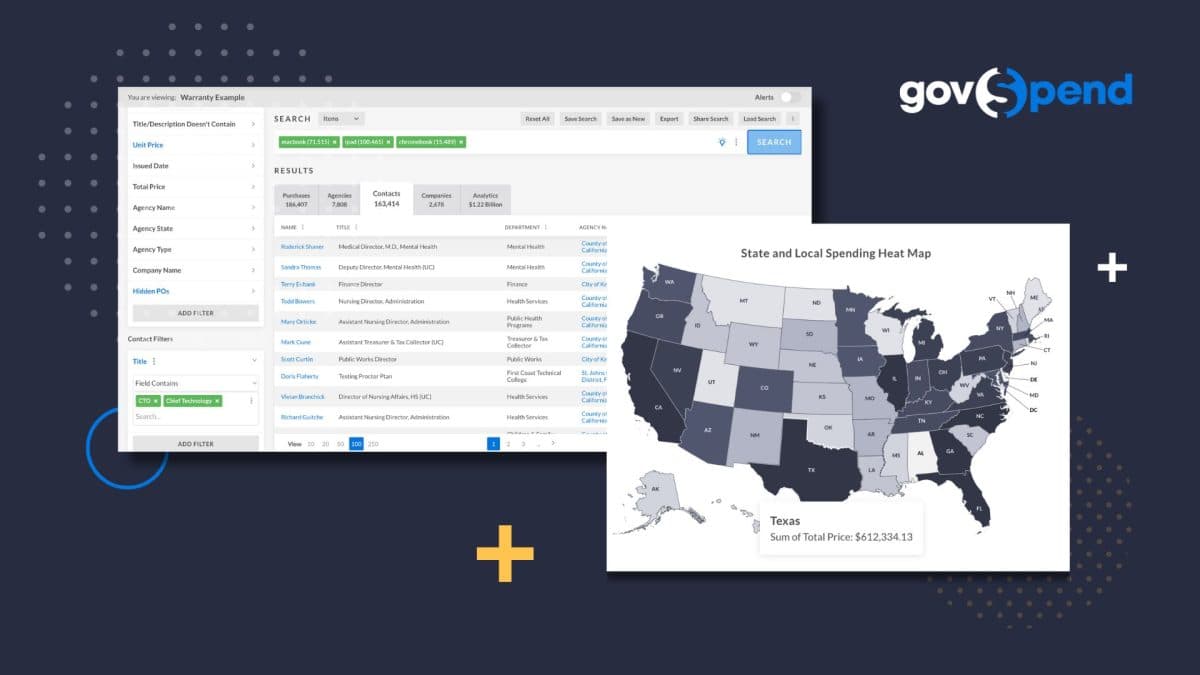
GovSpend launched a Model Context Protocol (MCP) server on June 16, 2026, giving AI agents direct access to 15 years of U.S. public sector procurement data. The move brings Anthropic's open standard to a regulated industry where structured government data has long been locked inside proprietary interfaces.
Key facts
- GovSpend launched MCP server on June 16, 2026.
- Server covers 15 years of U.S. public sector procurement data.
- 13,000+ MCP servers exist as of June 2026.
- 54% of MCP servers have zero community adoption.
- Data includes federal, state, and local contracts.
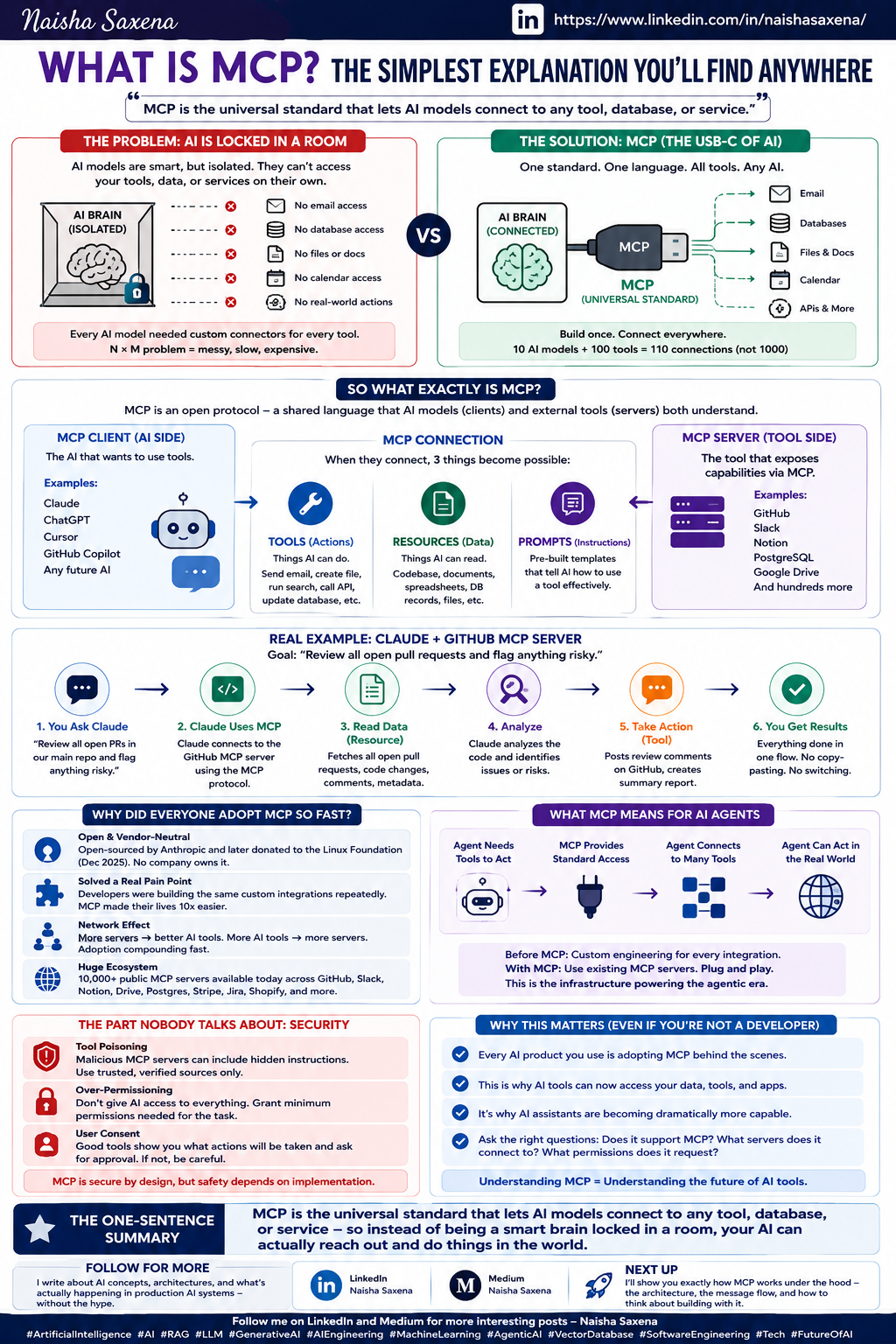
GovSpend, a company that aggregates and analyzes U.S. government spending data, released an MCP server that exposes its database of federal, state, and local government contracts, bids, and spending records through Anthropic's open-standard Model Context Protocol According to the PR Newswire release. The server allows large language models to query contract values, agency spending patterns, bid histories, and vendor performance metrics using natural language, eliminating the need for custom API integrations or manual CSV exports.
Key Takeaways
- GovSpend launched an MCP server for public procurement data, giving AI agents access to 15 years of government spending via Anthropic's protocol.
- The move targets procurement analysts in a regulated market.
Why MCP for Government Data
The GovSpend MCP server follows Anthropic's MCP specification, which as of June 2026 has 13,000+ servers in the ecosystem [per our prior reporting]. However, a June 14 report found that 54% of those 39,762 MCP servers have zero community adoption [as previously reported]. GovSpend's move is the first major MCP deployment focused on government procurement data, a domain where structured but fragmented datasets are a natural fit for tool-calling agents. The server targets procurement analysts, government contractors, and researchers who currently rely on GovSpend's web interface or API to surface contract opportunities and spending trends.
GovSpend did not disclose pricing for the MCP server or how many users it expects during the beta period. The company's core platform is subscription-based, suggesting the MCP server will likely follow a similar model. No specific supported LLMs were named beyond compatibility with any model that implements the MCP client side, including Claude, Gemini, and GPT.
The Broader MCP Trajectory
GovSpend's launch comes amid a surge in MCP adoption across enterprise verticals. In the past 30 days, MCP servers have appeared for cloud infrastructure (Google Cloud), developer tools (GitHub), and testing frameworks (Dusk). The protocol's open standard nature makes it attractive for regulated industries like government procurement, where proprietary integration costs have historically limited AI adoption. The key question is whether GovSpend's server will break the pattern of zero-adoption servers that plague 54% of the ecosystem — or whether it becomes another tool that no agent actually calls.
What to watch
Watch for adoption metrics from GovSpend's beta users over the next 90 days — specifically whether the MCP server drives measurable increases in API calls versus the company's existing web interface. Also track whether other government data aggregators (Bloomberg Government, GovWin) follow with their own MCP servers.
Source: news.google.com