Key Takeaways
- Claude Code hooks, MCP servers, and memory create self-regulating DevOps workflows.
- Use Bash hooks to block dangerous commands and memory to persist safety rules.
What Changed — Moving from AI Tool to Safety-First Agent
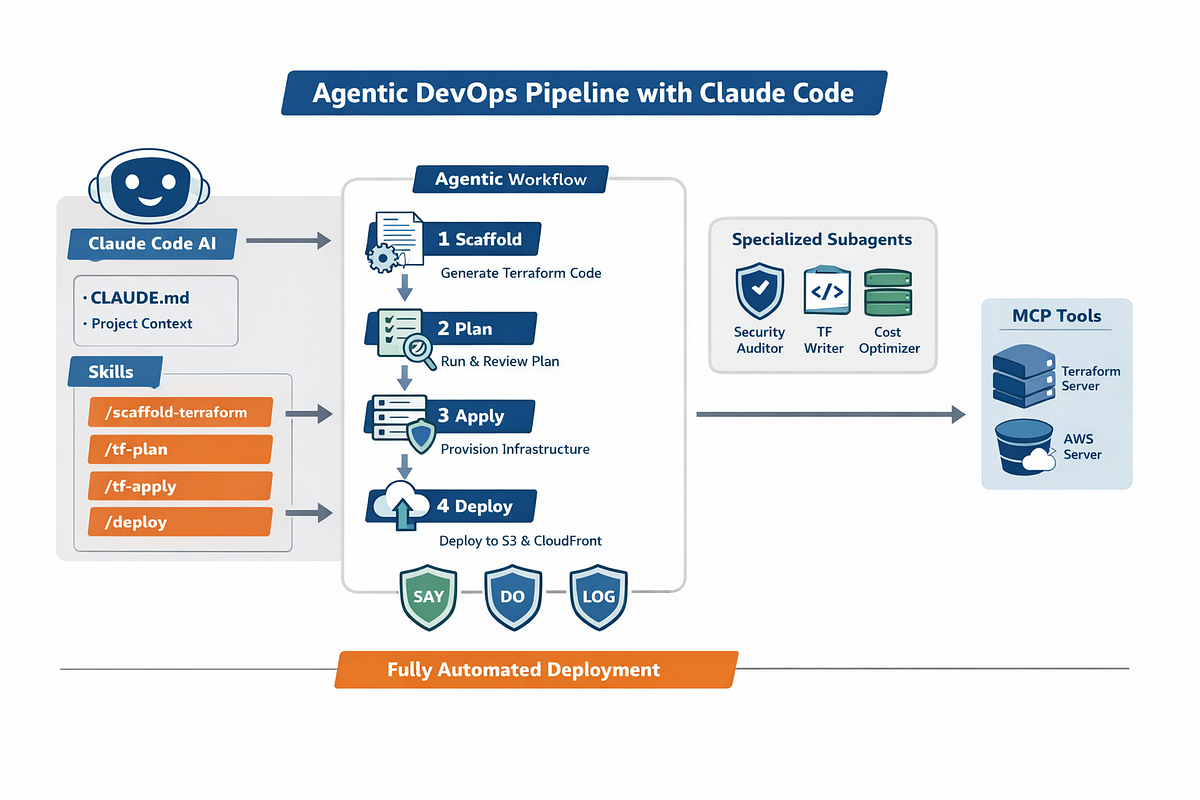
A developer's week 2 with Claude Code in DevOps revealed a shift: the tool isn't just a coding assistant—it's an agent runtime where safety is built in through hooks, MCP, and memory. The key insight? You don't just prompt Claude Code; you configure it to protect your infrastructure.
What It Means For You — Concrete Impact on Daily Claude Code Usage
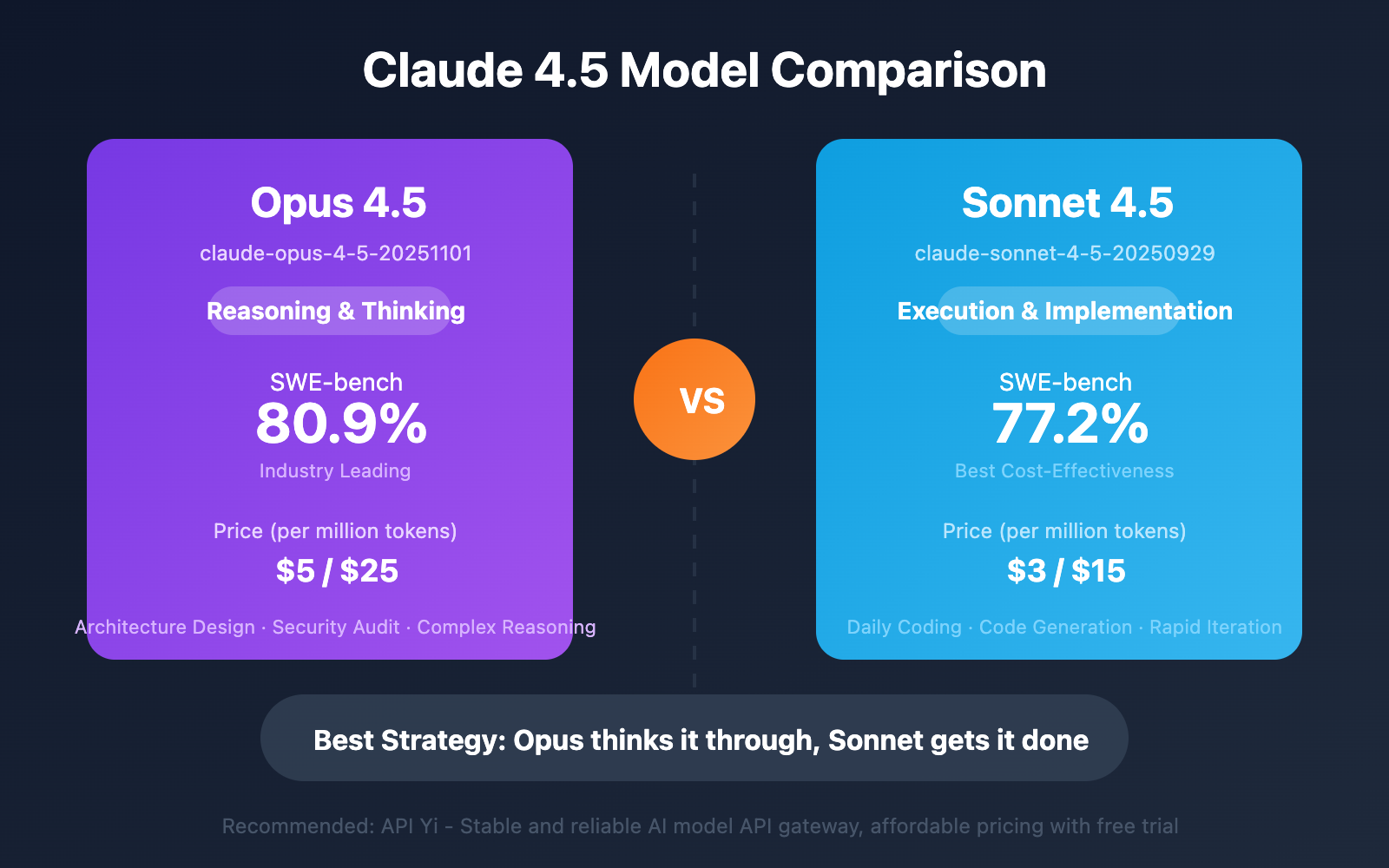
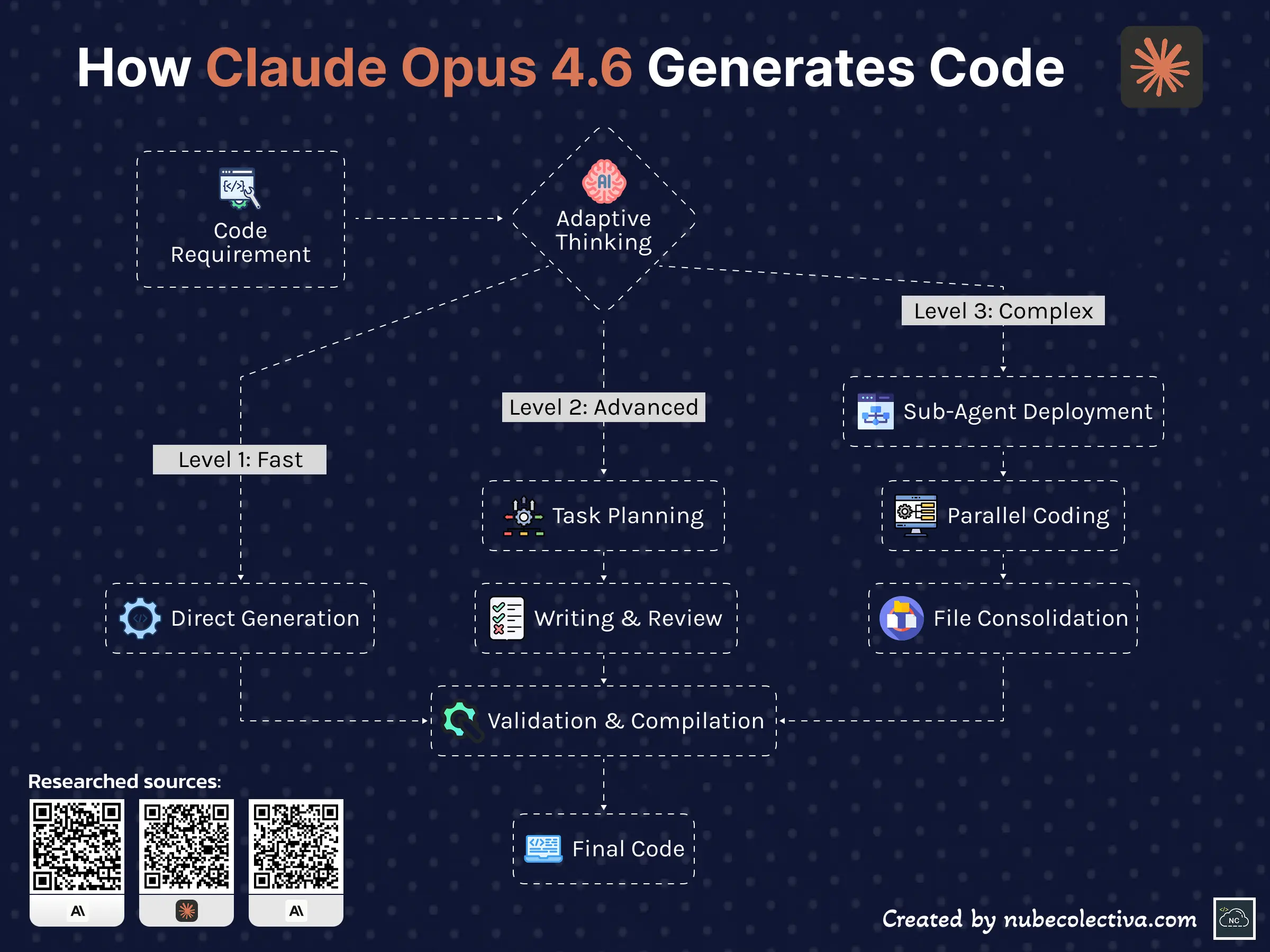
Claude Code (backed by Claude Opus 4.6, which scores 78.9% on Terminal-Bench 2.1) now operates as an agent that can execute commands, access files, and call tools. Without guardrails, that's risky. With hooks and MCP, it's a self-policing DevOps assistant.
Here's the workflow the developer built:
- Bash Hooks for Pre-Execution Safety: Before Claude Code runs any shell command, a Bash hook checks it against a blocklist (e.g.,
rm -rf /,DROP TABLE,kubectl delete namespace). If matched, the hook exits non-zero and the command never executes. - MCP Servers for Monitoring Integration: Using the Model Context Protocol (now backed by Anthropic, OpenAI, and Block under the Linux Foundation), Claude Code connects to Datadog, PagerDuty, or custom alerting. When a deploy fails, Claude Code can rollback automatically or page the on-call engineer.
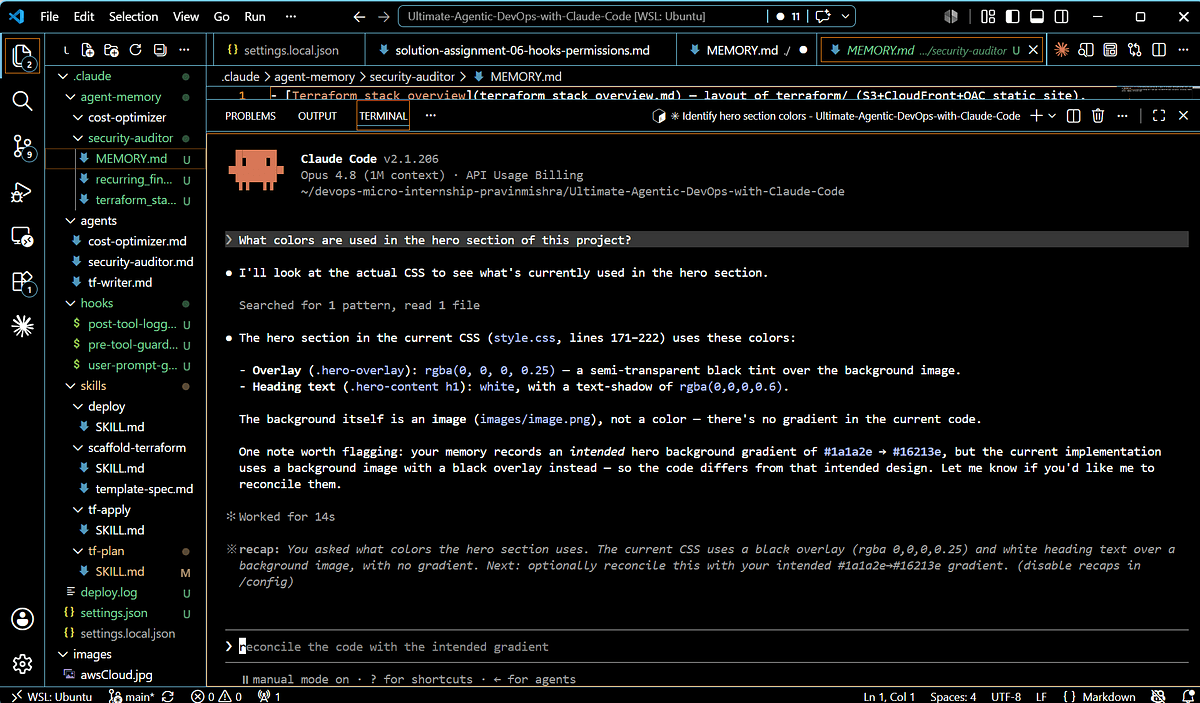
- Memory for Persistent Rules: Every time Claude Code makes a mistake—like deploying to staging instead of production—you tell it once. Memory persists the correction across sessions.
Try It Now — Commands, Config, and Prompts
1. Set Up a Bash Hook
Create a file at .claude/hooks/pre.js:
module.exports = {
  name: 'block-dangerous-commands',
  async execute({ command, args }) {
    const blocked = ['rm -rf /', 'DROP TABLE', 'kubectl delete namespace'];
    if (blocked.some(b => command.includes(b))) {
      console.error(`Blocked dangerous command: ${command}`);
      process.exit(1);
    }
  }
};
Then register it in CLAUDE.md:
## Hooks
- pre: .claude/hooks/pre.js
2. Add an MCP Server for Monitoring
Install the Datadog MCP server:
claude mcp add datadog-monitor -- npm install @anthropic/mcp-datadog
Now prompt Claude Code: "Check the last 5 minutes of error logs for the payment service. If error rate > 5%, rollback the last deploy."
3. Use Memory to Enforce Rules
After a mistake, say: "Remember: never deploy to production on Fridays." Claude Code stores this in its memory system and will check before any deploy command.
Why It Works — The Reasoning
- Token economics: Hooks run locally before any LLM call. A hook that blocks a command saves the entire context window that would have been wasted on the dangerous operation.
- Agent safety: Claude Code's agent loop (tool call → execution → observation) is fast, but hooks intercept before execution. This mirrors how DevOps teams use pre-commit hooks, but at the agent level.
- MCP ecosystem: With 13,000+ MCP servers as of June 2026, you can plug into any monitoring, CI/CD, or alerting tool without writing custom integrations.
Real Impact
One team reported that Bash hooks alone reduced their Anthropic bill by 50%—by preventing Claude Code from running commands that would have failed, they avoided wasted token spend on error recovery loops.
The Bottom Line
Claude Code transitions from "coding assistant" to "agent runtime" (as noted in July 2026 trends). Your job shifts from prompting to configuring guardrails. Use hooks, MCP, and memory to build a DevOps workflow that catches errors before they hit production.
Source: medium.com