What Changed — The MCP Inspector Workflow for AI Agents
The Model Context Protocol (MCP) isn't just about connecting Claude Code to tools—it's about giving AI agents a standardized way to discover capabilities, inspect schemas, plan execution, and observe results.
This hands-on lab from BridgeXAPI walks through the complete MCP messaging workflow using the official MCP Inspector. Instead of hardcoding REST endpoints, you can now:
- Connect to a remote MCP server
- Discover available tools automatically
- Inspect tool definitions (inputs, outputs, schemas)
- Plan a message execution sequence
- Execute an SMS
- Observe delivery reports
- Verify successful message delivery
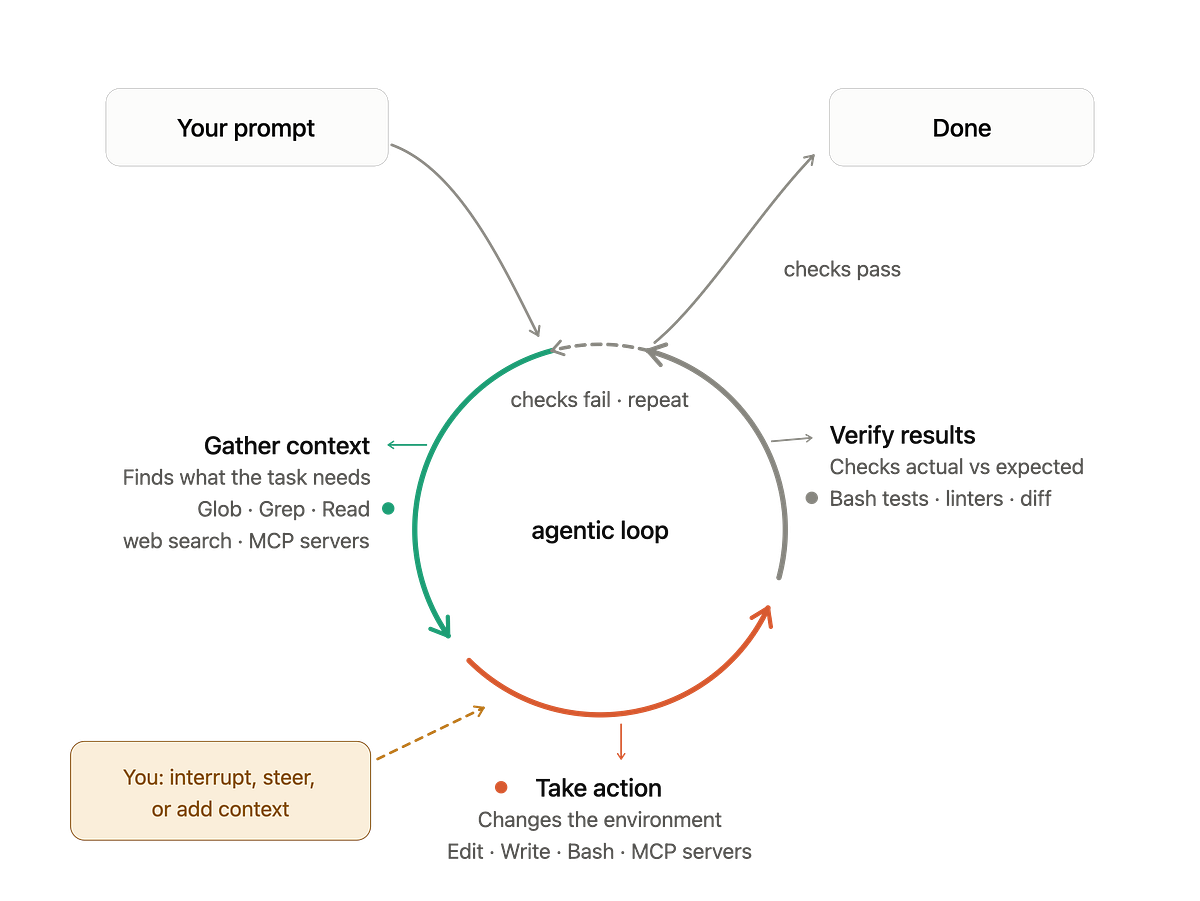
The key insight: Discover → Plan → Execute → Observe replaces the old "write code, test, debug" loop.
What It Means For You — Concrete Impact on Daily Claude Code Usage
If you've been building AI agents that send messages via hardcoded API calls, you're doing it the hard way. With MCP, your agent can:
Discover tools at runtime — No need to pre-configure endpoints. The agent asks the MCP server "what can you do?" and gets back a list of tools with their schemas.
Inspect schemas automatically — The MCP Inspector shows you exactly what parameters each tool expects. For SMS, that might be
to,from,body, and optional delivery preferences.Plan before executing — The agent can reason about the best sequence of operations. For example: first fetch a user's phone number from a CRM tool, then send the SMS, then check the delivery status.
Observe results — The MCP protocol includes standardized result formats. You get delivery reports without parsing custom JSON responses.
For Claude Code users, this means fewer API integration bugs and faster iteration. Instead of writing boilerplate HTTP code, you configure an MCP server and let Claude discover the tooling.
Try It Now — Commands, Config, and Workflow
Step 1: Set up the MCP Inspector

The MCP Inspector is a browser-based GUI that connects to any MCP server. Install it:
npm install -g @modelcontextprotocol/inspector
Step 2: Connect to a remote MCP server
For BridgeXAPI's messaging server:
npx @modelcontextprotocol/inspector --transport sse https://mcp.bridgexapi.io
Step 3: Discover tools
In the Inspector UI, you'll see a list of available tools. For messaging, expect:
send_sms— Send a text messageget_delivery_status— Check if a message was deliveredlist_templates— View pre-approved message templates
Step 4: Inspect tool definitions
Click on send_sms. The Inspector shows:
{
  "name": "send_sms",
  "description": "Send an SMS message to a phone number",
  "inputSchema": {
    "type": "object",
    "properties": {
      "to": {"type": "string", "description": "Recipient phone number"},
      "from": {"type": "string", "description": "Sender phone number"},
      "body": {"type": "string", "description": "Message content"}
    },
    "required": ["to", "from", "body"]
  }
}
Step 5: Plan and execute
In the Inspector, fill in the parameters and click "Execute." The agent sends the SMS and returns a message ID.
Step 6: Observe delivery
Use the get_delivery_status tool with the message ID from step 5. The Inspector shows the delivery report: delivered, failed, or pending.
Claude Code Integration
To use this from Claude Code, add to your claude.json:
{
  "mcpServers": {
    "bridgexapi": {
      "transport": "sse",
      "url": "https://mcp.bridgexapi.io"
    }
  }
}
Then in Claude Code:
Use the BridgeXAPI MCP server to send an SMS to +1234567890 saying "Hello from Claude Code" and verify delivery.
Claude will discover the tools, plan the sequence, execute, and report back—all without you writing a single HTTP call.
Source: dev.to
[Updated 03 Jul via devto_claudecode]
But loading every tool's full schema into the system prompt carries a hidden cost. Developer Enjoy Kumawat counted 11,000 tokens of overhead from 47 MCP tools in a single session — before any tool was actually called. Each tool schema (name, description, parameter shapes) averaged 150–400 tokens, burning 15–20% of the context budget on the menu alone [per dev.to]. The proposed fix: list tools by name and one-line description only, then fetch the full schema on demand.