Claude Code is no longer just a coding assistant — it’s becoming a policy-controlled execution layer, and the biggest wins now come from making agents stateless, auditable, and selectively specialized.
13,000+ MCP servers exist
Trending Now
🔥 Supabase Evals: Real Repo Benchmarks Beat VibesThe most actionable shift this week is benchmarking Claude Code on your own codebase instead of trusting generic model leaderboards. Supabase Evals lets you run `supabase eval` against real tasks so you can see where the agent fails on your stack, not someone else’s. Use it to identify brittle workflows before you spend more tokens on the wrong model. 📈 Federated MCP: Split the Monolith, Cut Integration Pain
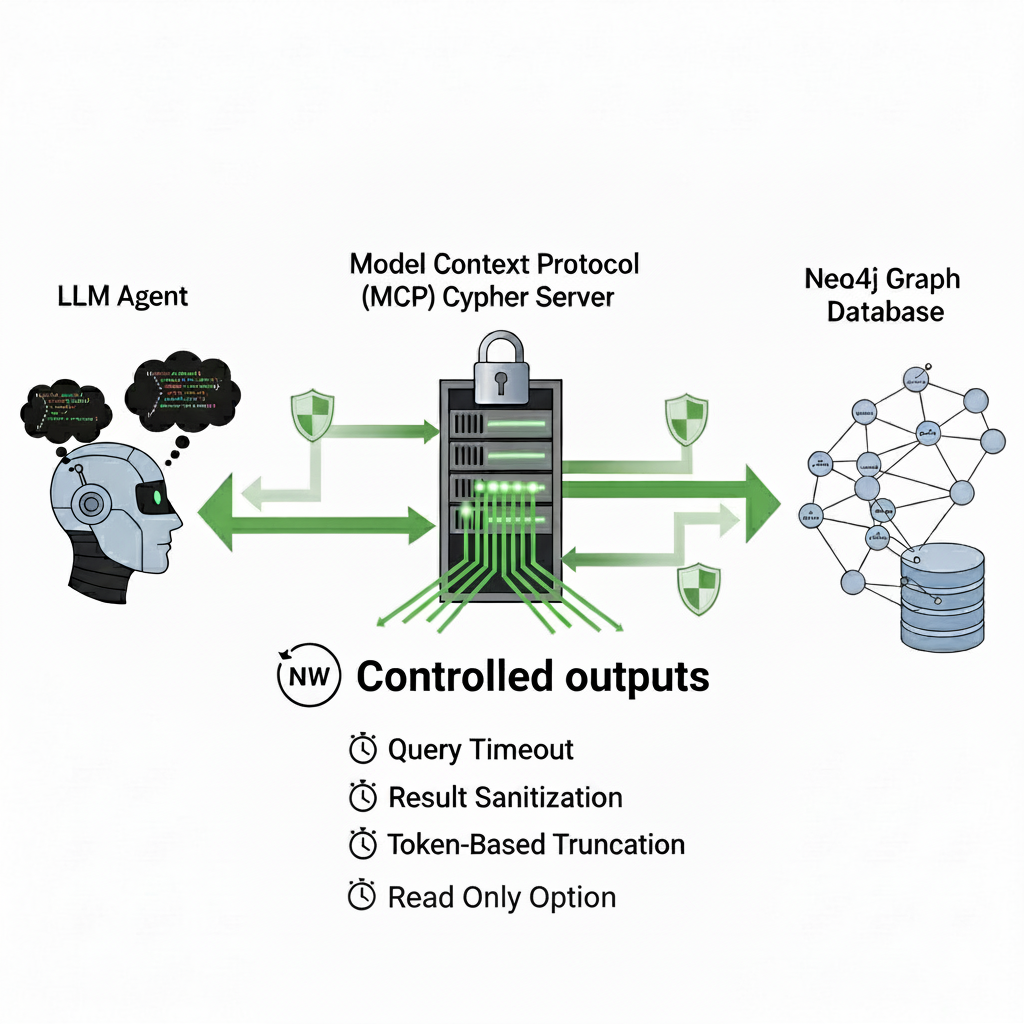
MCP is scaling past the “one giant server” phase. The Supervisor + specialized MCP server pattern reduces the combinatorial mess of stuffing every tool into one process, and it’s the cleanest path for teams with many domains. If your MCP setup is turning into spaghetti, federate it now before tool routing and retries become your bottleneck. ✨ Stateless MCP 2.0: Fewer Sessions, Less Overhead
The new stateless direction is a direct attack on context bloat and session management overhead. Single-request tool calls make servers simpler to reason about and easier to scale, especially when paired with probing tools like `mcp-explorer`. If you’re still designing around long-lived state, you’re probably paying unnecessary latency and complexity tax.
Best Practices
Run `supabase eval` on your repo before changing promptsWithout this: you guess which tasks Claude Code is bad at and waste iterations on the wrong fixes. With this: you get repo-specific failures you can target immediately. Use `/context` plus `InstructionsLoaded` to verify CLAUDE.md actually loaded
Without this: you rewrite rules blindly and still get lazy-loading misses from nested files or `@imports`. With this: you confirm the instruction chain first, then fix the real load path instead of the wording. Pin MCP installs with `mcp[cli]>=1.2.0,<2.0.0`
Without this: a squatted or incompatible package name can break Claude Desktop setup. With this: you avoid supply-chain footguns and keep the CLI/tooling path stable.
Tools & MCP
Supabase Evals — Benchmarks Claude Code on real Supabase tasks — exposes failure modes in your repo instead of synthetic toy tasks. mcp-hub — Searches and installs from 13,000+ MCP servers — saves time guessing on npm and helps you find the right server fast. mcp-explorer — Probes MCP servers to reveal capabilities and request shapes — cuts trial-and-error when adopting stateless MCP 2.0.Multi-Agent Patterns
Supervisor + Specialized MCP MeshA top-level supervisor routes work to narrow MCP servers over stdio/SSE instead of forcing one server to do everything. This reduces integration blowup from monolithic tool sprawl and keeps each server focused on a single domain. Subagent Trigger Routing via `description`
Make the subagent `description` the actual trigger condition, not just a label. This improves routing reliability when Claude Code is choosing specialists, especially when combined with `/doctor` to catch name collisions and bad tool declarations. Independent Verification Session
Run a second Claude session, a different model, or a human acceptance pass against the same output. This catches the “2,000 tests passed, production still broke” failure mode where one agent’s blind spots are shared across the entire workflow.
Community Requests
- Native MCP server benchmarking and load-testing tool with retry-storm simulation
- Better Claude Code diagnostics for instruction loading, tool routing, and subagent selection
- Safer MCP package discovery and install flow with signed, verified registry metadata