TitanSoft, a Singapore-based software firm, reports AI coding is shifting from 'vibe coding' to 'agentic coding,' where engineers design collaboration mechanisms. The challenge is no longer tool proficiency but building feedback loops for AI agents.
Key facts
- TitanSoft is a Singapore-based software development company
- Report contrasts 'vibe coding' with 'agentic coding'
- Core focus is on feedback loops for AI agents
- No productivity metrics disclosed in the source
- Aligns with MCP and Claude Code ecosystem trends
TitanSoft, the Singapore-based software development company, published a field report arguing that AI's role in software development is pivoting from 'vibe coding' to 'agentic coding.' The report contends the bottleneck is no longer learning new tools but establishing a clear mechanism where AI understands requirements, executes tasks, and iterates on feedback.
Key Takeaways
- TitanSoft's field report argues AI coding shifts from vibe to agentic coding, requiring engineers to design feedback loops.
- No metrics disclosed.
The Collaboration Mechanism Gap
The core thesis is that 'vibe coding' — accepting AI's suggestions without deep review — is giving way to 'agentic coding,' where AI agents act more autonomously. The practical observation from TitanSoft is that engineers must now design the collaboration workflow itself. This means defining how an agent parses a ticket, what context it pulls, and how its output is validated before merging.
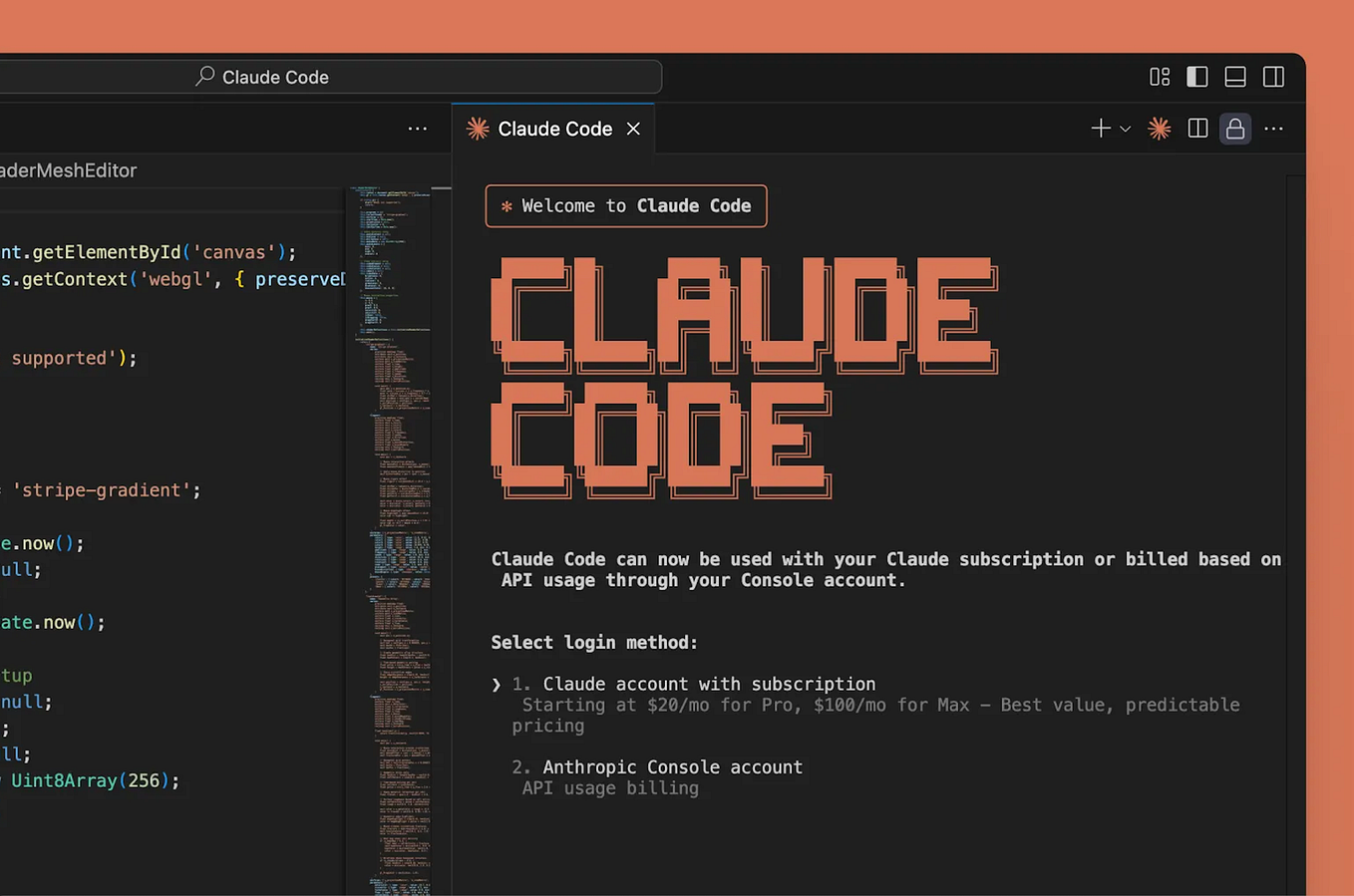
This aligns with broader industry patterns. Anthropic's Claude Code and Google's agentic tooling have pushed this from research to production. The knowledge graph shows AI Agents increasingly rely on the Model Context Protocol (MCP) to standardize tool access, a shift we covered in our CLI vs. MCP experiments showing token efficiency differences.
Feedback Loops Over Code Generation
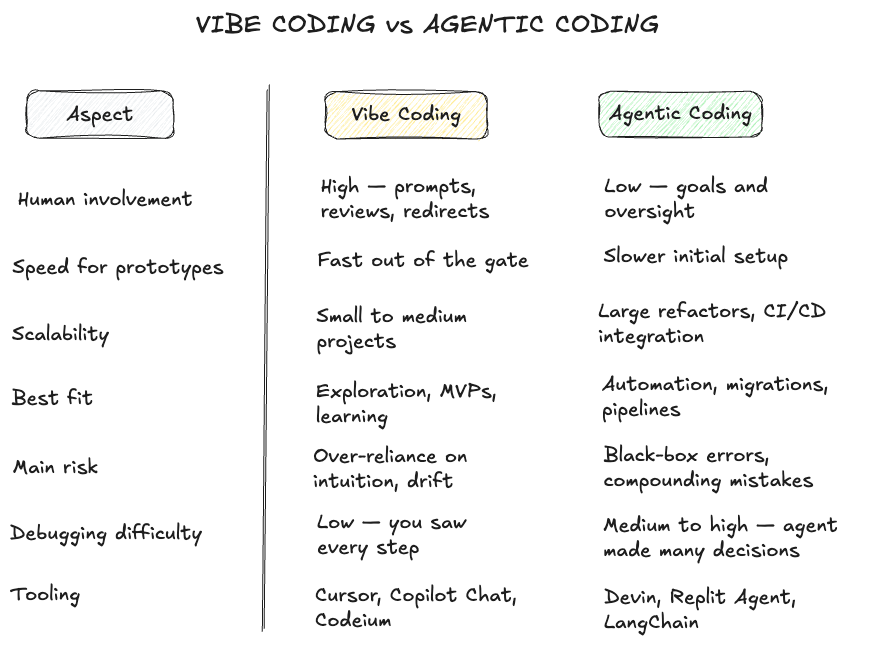
The report's emphasis on feedback loops echoes the 239-paper survey we covered on July 19, which mapped how agents self-improve via scaffold updates. TitanSoft's practical angle is that the human's role shifts from writing code to writing the rules of engagement — the tests, the guardrails, and the acceptance criteria that tell the agent when it's done.
TitanSoft does not disclose specific productivity metrics or benchmark results in the report. The value here is the qualitative shift in engineering practice, not a quantifiable delta.
What to watch
Watch for TitanSoft or similar agencies to publish quantified productivity data — time-to-merge, bug rates, or token spend — that validates whether agentic coding's feedback loops deliver measurable gains over vibe coding. Also track MCP adoption rates as the standard for agent tool access.
Source: medium.com