Key Takeaways
- R3E's Neo MCP Server now supports dual-chain (N3 + legacy Neo), enabling Claude Code users to query blockchain data across both networks with one MCP server.
- Install it to streamline AI-driven blockchain workflows.
What Changed

The R3E Network has updated its Neo MCP Server to support both Neo N3 and the legacy Neo chain. This means Claude Code users can now query blockchain data—like account balances, transaction histories, and block details—from either network using a single MCP server. Additionally, R3E added an AI assistant to neo3scan, the Neo N3 block explorer, making it easier to interact with on-chain data directly.
What It Means For You
If you're building on Neo or analyzing its ecosystem, this update removes the need to maintain separate tools for each chain. Instead of writing custom scripts or switching between explorers, you can ask Claude Code to fetch on-chain data from both networks in natural language. For example, you can compare token balances across N3 and legacy Neo, or trace a transaction's history without leaving your terminal.
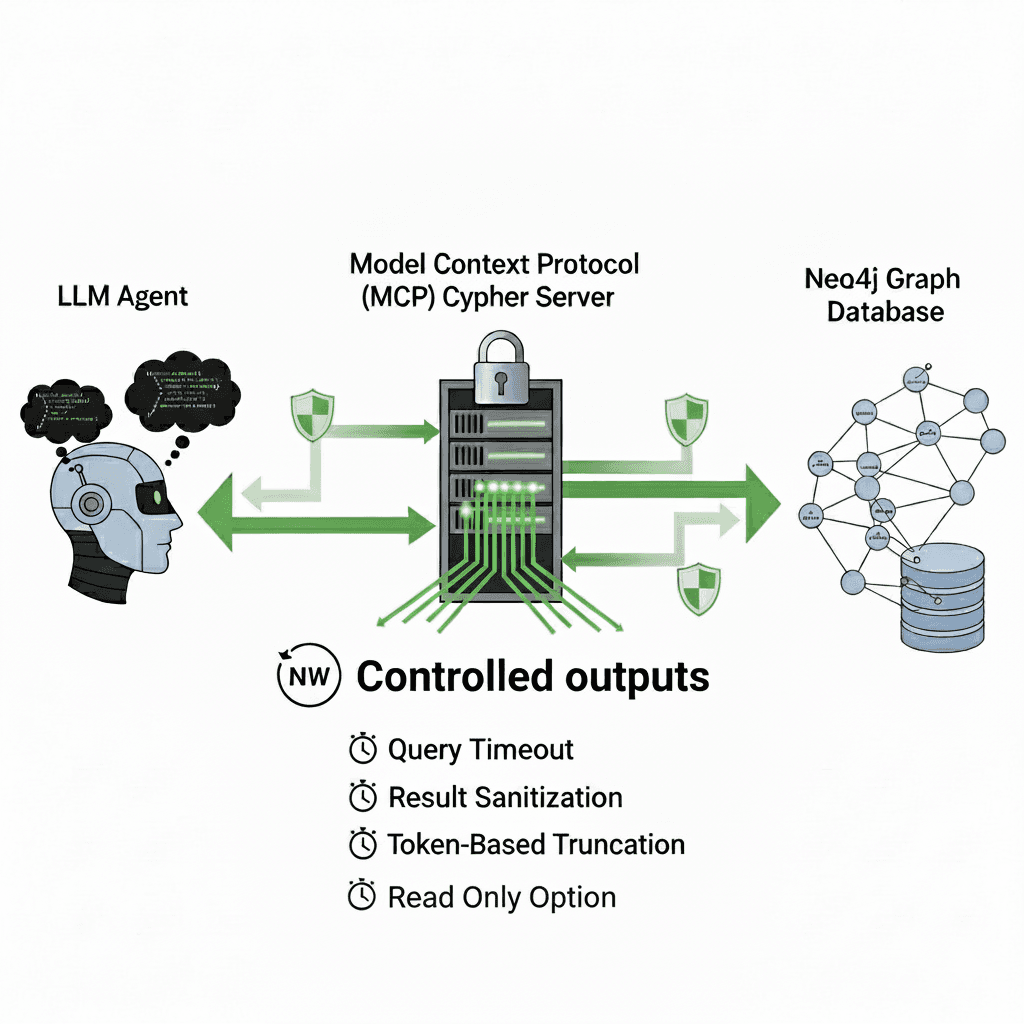
The MCP server acts as a bridge: Claude Code sends a request, the server queries the appropriate Neo node, and returns structured data. This is particularly useful for developers building dApps, auditing smart contracts, or creating analytics dashboards. The dual-chain support means you can handle migrations from legacy Neo to N3, or manage assets on both chains simultaneously, all from one Claude Code session.
Try It Now
To get started, install the Neo MCP Server via Claude Code's MCP configuration. If you haven't added MCP servers before, use the claude mcp add command:
claude mcp add neo-mcp -- npx @r3e/neo-mcp-server
Once configured, restart Claude Code and try prompts like:
- "Show me the balance of address N3... on the Neo N3 chain."
- "Get the latest block height for the legacy Neo chain."
- "List recent transactions for this contract on N3."
For the neo3scan AI assistant, visit the explorer and look for the assistant interface—it's designed to answer questions about N3 data, which can complement your Claude Code workflows by providing quick visual checks.
Why This Matters for MCP Users
The Neo MCP Server is part of the broader MCP ecosystem, which Anthropic introduced in November 2024. As MCP adoption grows—seen in Google Cloud's recent Vertex AI MCP support—more specialized servers like this one are emerging. For Claude Code users, this means you can now integrate blockchain data into your daily workflows without leaving your editor. The dual-chain support is a forward-looking move, as many projects still operate on legacy Neo while transitioning to N3.
Looking Ahead
R3E's update signals a trend: MCP servers are becoming more specialized and chain-agnostic. Expect similar expansions from other blockchain MCP servers, potentially adding support for sidechains or testnets. For now, this dual-chain capability gives you a competitive edge in building AI-assisted blockchain tools.
If you're already using MCP servers for other data sources, adding Neo MCP is a low-friction way to extend Claude Code's reach into Web3. And if you're new to MCP, this is a practical example of how the protocol can connect AI to real-world data.
The Bottom Line
R3E's Neo MCP Server update is a concrete win for Claude Code users working with Neo. It simplifies multi-chain development, reduces tool sprawl, and opens new possibilities for AI-driven blockchain analysis. Install it, test it with a few prompts, and see how it fits into your workflow.
Source: news.google.com