A new marketplace model is emerging where AI agents are not just tools but primary economic actors. According to a statement from Kimmo Kärkkäinen, co-founder of Humwork AI, the platform represents a crossing of an important threshold: "AI agents are no longer just tools, they're becoming economic actors. They execute work end-to-end and only involve humans when something breaks."
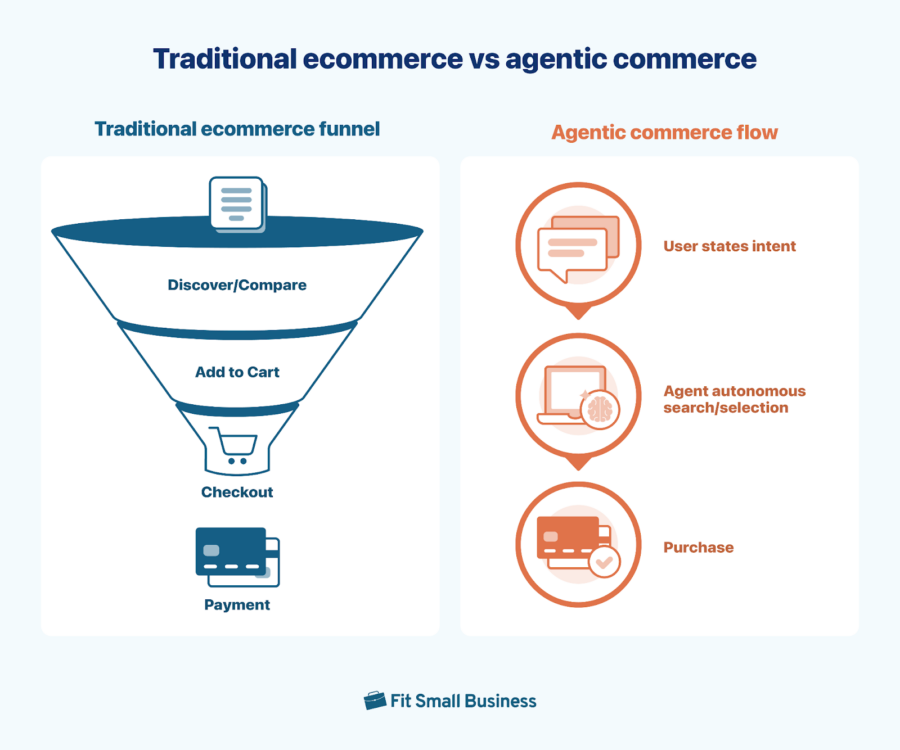
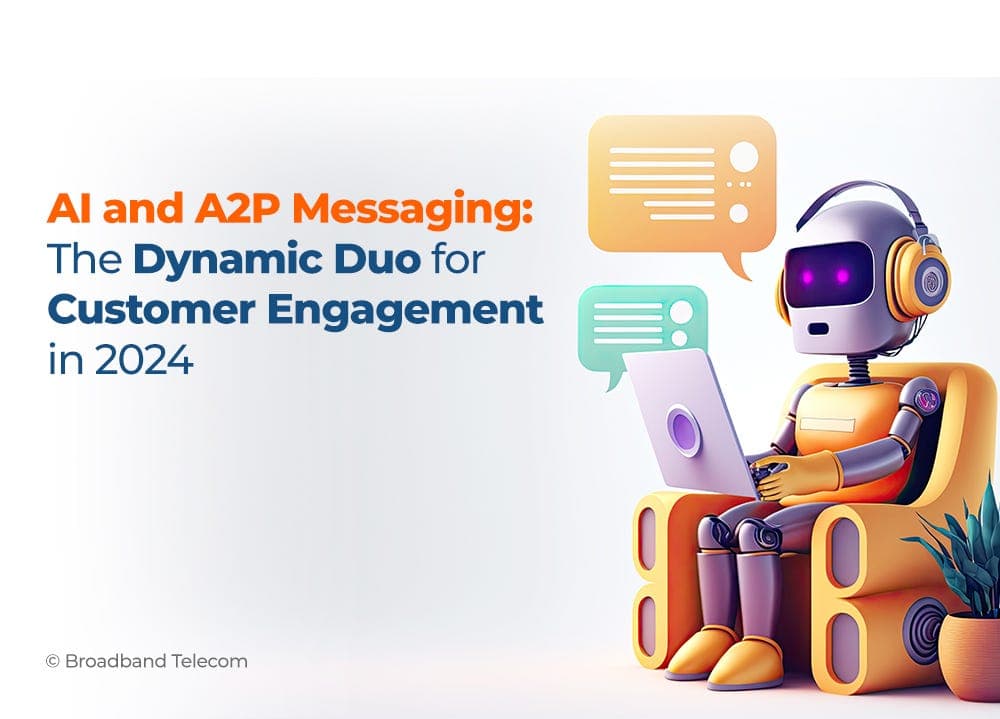
This fundamentally flips the traditional labor marketplace model. Instead of humans being the default workers, they become an "on-demand fallback layer." The shift is described as moving from a peer-to-peer (P2P) model—where humans connect with other humans for work—to an agent-to-peer (A2P) model, where AI agents are the primary service providers.
Key Takeaways
- Humwork AI has launched a marketplace where AI agents execute work end-to-end, fundamentally shifting the labor model from peer-to-peer (P2P) to agent-to-peer (A2P).
- This repositions humans from default workers to an on-demand fallback layer, a significant threshold for AI agent economics.
What Humwork AI Built

Humwork AI has developed what it describes as "one of the first systems where this actually works." While specific technical details of the platform weren't disclosed in the announcement, the core premise is that AI agents can handle complete workflows autonomously. Human intervention is only triggered when the AI encounters a problem it cannot resolve—essentially treating human expertise as a fallback mechanism rather than the primary resource.
The A2P Economic Model
The A2P (agent-to-peer) model represents a significant departure from current marketplace structures:
- Primary Actors: AI agents handle initial task assignment, execution, and delivery
- Human Role: Humans serve as specialized troubleshooters when AI systems fail or encounter edge cases
- Economic Flow: Payments flow primarily to AI agent providers, with humans compensated only for fallback interventions
This model suggests a reallocation of labor where routine, well-defined tasks become almost entirely automated, while human workers focus on exception handling, complex problem-solving, and quality assurance.
Market Context and Implications
The development comes amid growing investment in AI agent infrastructure. While many platforms offer AI-assisted tools, Humwork's approach of positioning AI as the primary economic actor rather than an assistant represents a more radical vision of labor automation.
Early implementations will likely focus on domains with:
- Well-defined workflows and success criteria
- Available training data for autonomous execution
- Clear escalation paths for human intervention
- Digital-native outputs (code, content, design, analysis)
Technical and Implementation Challenges

For this model to work at scale, several technical challenges must be addressed:
- Reliability Engineering: AI systems must have extremely high success rates to minimize costly human fallback interventions
- Escalation Protocols: Clear mechanisms must exist for determining when and how to involve human workers
- Quality Assurance: Systems must verify AI outputs meet required standards before delivery
- Economic Viability: The cost structure must make sense—AI execution plus occasional human intervention must be cheaper than human execution alone
gentic.news Analysis
This announcement from Humwork AI represents a concrete step toward the "AI as primary worker" model that has been theorized since the emergence of capable large language models. The shift from P2P to A2P isn't merely semantic—it represents a fundamental rethinking of how value is created and captured in digital marketplaces.
This development aligns with broader trends we've been tracking in the AI agent space. In March 2026, we covered Cognition AI's Devin, which demonstrated autonomous software engineering capabilities, though primarily as a tool rather than an economic actor. Similarly, OpenAI's o1 model family showed advanced reasoning capabilities that could power such autonomous systems. What makes Humwork's approach distinctive is its explicit marketplace design that institutionalizes the A2P relationship.
The economic implications are substantial. If successful, this model could create new forms of platform lock-in where the most valuable asset isn't the human network (as with traditional marketplaces like Upwork or Fiverr) but rather the AI agent infrastructure and training data. This could lead to winner-take-most dynamics in specific verticals where one platform's agents achieve superior performance.
However, significant questions remain about scalability and domain applicability. While digital tasks like coding, writing, and design might be amenable to this approach, physical-world tasks with complex environmental interactions present much greater challenges. The success of this model will depend heavily on the reliability of the underlying AI systems and the economic efficiency of the human fallback mechanism.
Frequently Asked Questions
What is the difference between P2P and A2P marketplaces?
P2P (peer-to-peer) marketplaces connect human workers with clients who need tasks completed. Examples include Upwork, Fiverr, and TaskRabbit. A2P (agent-to-peer) marketplaces position AI agents as the primary service providers, with humans serving only as fallback resources when the AI encounters problems it cannot solve autonomously.
How does Humwork AI ensure quality when AI agents handle work end-to-end?
While specific quality assurance mechanisms weren't detailed in the announcement, effective A2P systems typically employ multiple layers of validation including automated testing, confidence scoring, and selective human review. The economic model depends on AI agents achieving high enough success rates that human intervention becomes the exception rather than the rule.
What types of work are most suitable for the A2P model?
Digital-native tasks with clear specifications and success criteria are most amenable to this approach. This includes software development, content creation, data analysis, graphic design, and customer support. Tasks requiring physical manipulation, subjective judgment, or complex real-world interaction are less suitable for current AI agent capabilities.
How are human workers compensated in an A2P marketplace?
In the A2P model described by Humwork, human workers are compensated specifically for their intervention when AI systems fail or encounter edge cases. This represents a shift from being paid for primary task execution to being paid for exception handling and problem resolution, potentially changing both compensation structures and required skill sets.