Key Takeaways
- Iceland reduced retail losses by 80% using computer vision, per Retail Systems.
- The quantified result sets a benchmark for AI loss prevention in grocery.
What Happened
Iceland, the UK frozen food supermarket chain, has reduced retail losses by 80 percent using a computer vision system, according to a report from Retail Systems. The deployment represents one of the most significant and clearly quantified results of AI-powered loss prevention in the grocery sector to date.
The report does not detail the specific vendor or technical architecture behind the system, but it marks a notable milestone: most retail AI loss-prevention pilots cite incremental improvements or anecdotal success. Iceland's 80 percent figure is a headline number that will attract attention from loss prevention directors and CIOs across the sector.
Technical Details
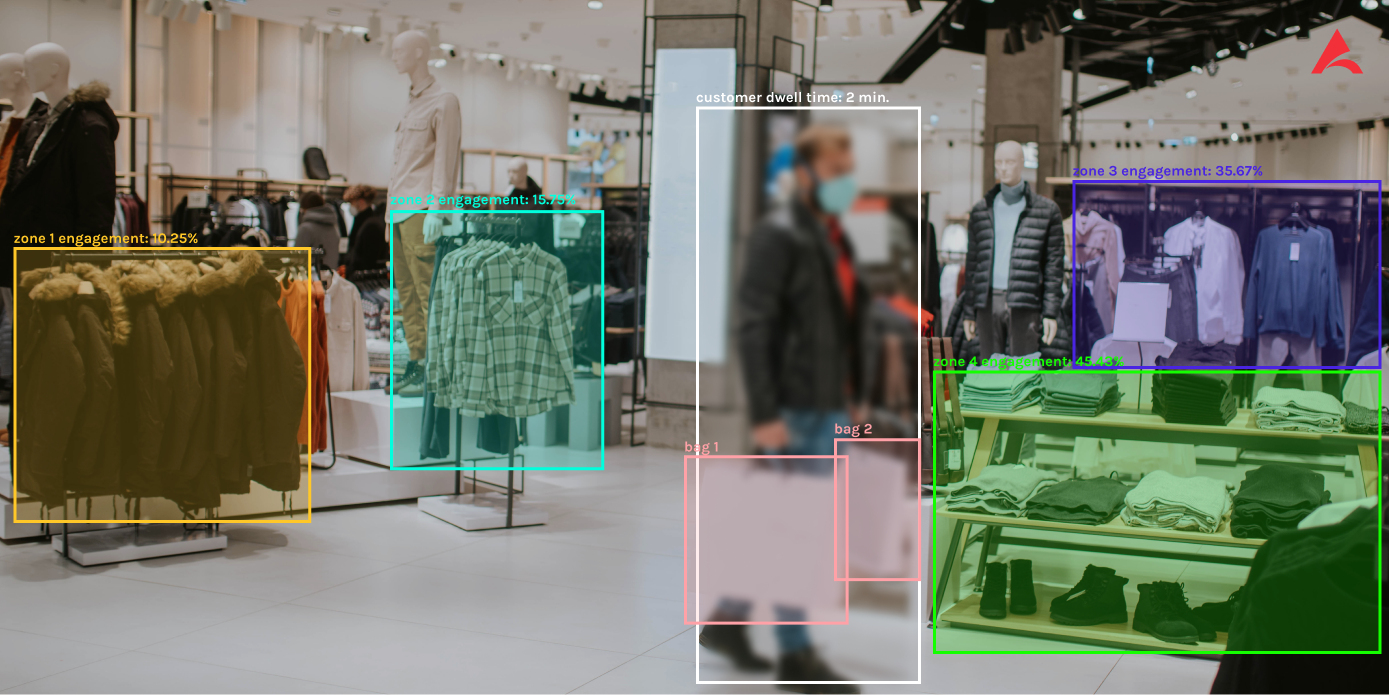
The system relies on computer vision — the class of AI that enables machines to interpret and act on visual data from cameras and sensors. In retail loss prevention, computer vision is typically deployed in two ways:
- Shelf and inventory monitoring: Cameras track stock levels and detect when items are removed without being paid for.
- Checkout and self-scan verification: Vision systems verify that items scanned match items taken, catching errors or intentional under-scanning.
Iceland's deployment appears to focus on in-store monitoring, using cameras to detect suspicious behaviour or discrepancies in real time. The 80 percent reduction suggests the system was integrated into existing store operations rather than deployed as a standalone pilot.
Retail & Luxury Implications
Loss prevention is a universal retail problem. The UK's British Retail Consortium has estimated that retail crime and shrinkage cost the sector billions annually. For grocers operating on thin margins, an 80 percent reduction in losses is not incremental — it can be the difference between a profitable and unprofitable store.
For luxury and fashion retailers, the implications are different but equally relevant. High-value items are more attractive targets for theft, and the cost of shrinkage is disproportionately higher. A scarf or handbag stolen from a flagship store represents a much larger percentage of revenue than a frozen pizza. Computer vision systems that can identify suspicious behaviour, verify high-value item movements, and reduce shrinkage by even a fraction of Iceland's reported figure would deliver significant bottom-line impact.
The Iceland case also matters because it addresses a common criticism of retail AI: that results are often unproven. Here is a named retailer with a specific, quantified outcome. That gives technology buyers leverage in internal conversations about ROI.
Business Impact
An 80 percent reduction in retail losses is a rare, quantified benchmark. For context, most industry surveys suggest that effective loss-prevention programs reduce shrinkage by 10-30 percent. Iceland's reported figure is several multiples of that.
The financial impact depends on Iceland's baseline shrinkage rate. If the chain was losing, say, 1-2 percent of revenue to shrinkage, an 80 percent reduction would add roughly 0.8-1.6 percent to gross margin. For a supermarket chain with billions in revenue, that is tens of millions in recovered profit annually.
For luxury retailers, the equivalent math is compelling. A single flagship store with high-value inventory could see six- or seven-figure annual savings from a similar deployment.
Implementation Approach
Iceland's success did not happen in isolation. Computer vision systems require:
- Camera infrastructure: Existing CCTV can often be repurposed, but newer systems may be needed for adequate resolution.
- Model training and tuning: Off-the-shelf models rarely work out of the box; they need to be trained on store layouts, product categories, and behaviour patterns.
- Integration with POS and inventory systems: The vision system must be able to cross-reference camera data with transaction data.
- Operational change management: Store staff need to understand how to respond to alerts and when to intervene.
None of these are trivial, but the Iceland case suggests that the effort can be justified by the return.
Governance & Risk Assessment
Computer vision in stores raises privacy concerns. The use of cameras to monitor customer behaviour must be balanced against data protection regulations, particularly in the UK and EU under GDPR. Retailers deploying such systems need to be transparent about what is being monitored and how data is used.
There is also the risk of false positives — systems flagging innocent behaviour as suspicious — which can damage customer trust and employee morale. Iceland's 80 percent figure suggests the system is well-tuned, but replicating that success requires careful calibration.
gentic.news Analysis
The Iceland case is a rare data point in a field where hype often outpaces evidence. Retail AI has been promised for years, but quantified results at the scale Iceland reports are uncommon. This is not a pilot in a single store — it is a chain-wide deployment with a headline figure.
For AI practitioners in retail and luxury, the lesson is twofold. First, computer vision for loss prevention is mature enough for production. The technology is no longer experimental; it is delivering measurable results. Second, the Iceland case provides a benchmark that can be used to evaluate vendor claims. If a vendor cannot articulate how their system will achieve results comparable to Iceland's, that is a red flag.
The gap between research and production in retail AI is closing, and loss prevention is one of the clearest use cases. Iceland's 80 percent figure will be cited in boardrooms and vendor pitches for years — and for good reason.
Source: news.google.com