The Innovation
Intent Engineering represents a paradigm shift in how we build and manage AI systems. Rather than focusing solely on prompts, context windows, or model architectures, it introduces a formal layer dedicated to encoding and managing what the system is actually trying to achieve—its intent. This approach addresses the fundamental reliability challenges recently highlighted in AI agent research, including the critical finding that most failures stem from "forgetting instructions" rather than insufficient knowledge.
The methodology involves creating explicit, structured representations of business objectives, constraints, and success criteria that persist throughout the AI's execution. Think of it as creating a "business logic layer" for AI agents that ensures they consistently operate within defined parameters, remember core instructions, and align their actions with strategic goals. This becomes particularly crucial as AI agents cross critical reliability thresholds and begin transforming programming capabilities across industries.
Why This Matters for Retail & Luxury
For luxury brands, where brand voice, client experience, and service consistency are paramount, Intent Engineering solves critical problems. Traditional AI implementations often drift from brand standards or fail to maintain the nuanced understanding required for high-value client relationships.
Specific applications include:
- AI Personal Shoppers & Styling Agents: Agents that maintain consistent understanding of brand aesthetics, client preferences, and seasonal collections without "forgetting" key styling rules.
- Automated Clienteling Systems: CRM-integrated agents that remember client history, preferences, and past interactions while executing outreach campaigns.
- Luxury Customer Service Bots: Support agents that consistently apply brand voice, escalation protocols, and service standards across thousands of interactions.
- Merchandising & Inventory Agents: Systems that maintain focus on sell-through targets, margin preservation, and collection coherence when making restocking or markdown recommendations.
Business Impact & Expected Uplift
While Intent Engineering is an emerging framework, its impact can be projected through the lens of AI agent reliability improvements. Research indicates that without proper intent management, AI agents experience significant failure rates due to instruction drift. Implementing structured intent layers can dramatically reduce these failures.
Quantifiable impacts based on industry benchmarks:
- Customer Service: 30-50% reduction in escalations requiring human intervention (Gartner benchmark for well-structured conversational AI)
- Personalization: 15-25% increase in conversion rates for AI-driven recommendations that maintain consistent understanding of client preferences (McKinsey personalization impact studies)
- Operational Efficiency: 40-60% reduction in manual oversight required for AI-powered processes (Forrester automation efficiency metrics)
Time to value: Initial benefits appear within 4-8 weeks of implementation as consistency improves, with full impact realized after 3-6 months as intent frameworks mature.
Implementation Approach
Technical Requirements:
- Data: Structured business rules, brand guidelines, service protocols, product knowledge bases
- Infrastructure: Integration with existing CRM (Salesforce, SAP), PIM (Akeneo, Contentserv), and CDP platforms
- Skills: Prompt engineers with business domain expertise, integration specialists, and quality assurance focused on intent validation
Complexity Level: Medium to High. While the concept is straightforward, implementation requires custom development of intent schemas and validation systems. This isn't plug-and-play but rather a framework to apply to existing AI initiatives.
Integration Points:
- CRM systems for client intent persistence
- PIM for product knowledge and attribute consistency
- Content management systems for brand voice guidelines
- Existing AI/ML platforms (Google Vertex AI, Azure ML, AWS SageMaker)
Estimated Effort: 2-4 months for initial implementation in one domain (e.g., clienteling), with ongoing refinement. This represents a strategic investment rather than a quick win.
Governance & Risk Assessment
Data Privacy & Compliance: Intent Engineering actually enhances GDPR compliance by ensuring AI systems consistently apply privacy rules and consent management. The structured intent layer provides audit trails for how customer data was used in decision-making.
Model Bias & Brand Risk: This framework mitigates cultural sensitivity risks by encoding brand guidelines directly into the AI's operational layer. For fashion/beauty applications, intent schemas can explicitly include diversity, inclusion, and body positivity parameters that persist across all interactions.
Maturity Level: Emerging but production-ready. The concepts are being adopted by leading tech companies, and the underlying need—addressing AI agent reliability—is well-documented in recent research. This isn't experimental science but rather applied engineering best practices.
Strategic Recommendation: Luxury brands should implement Intent Engineering as a foundational layer for any customer-facing AI initiative. Start with high-value, brand-sensitive applications like VIP clienteling before expanding to broader use cases. The framework pays dividends in brand protection and experience consistency that justify the implementation effort.
The Competitive Imperative
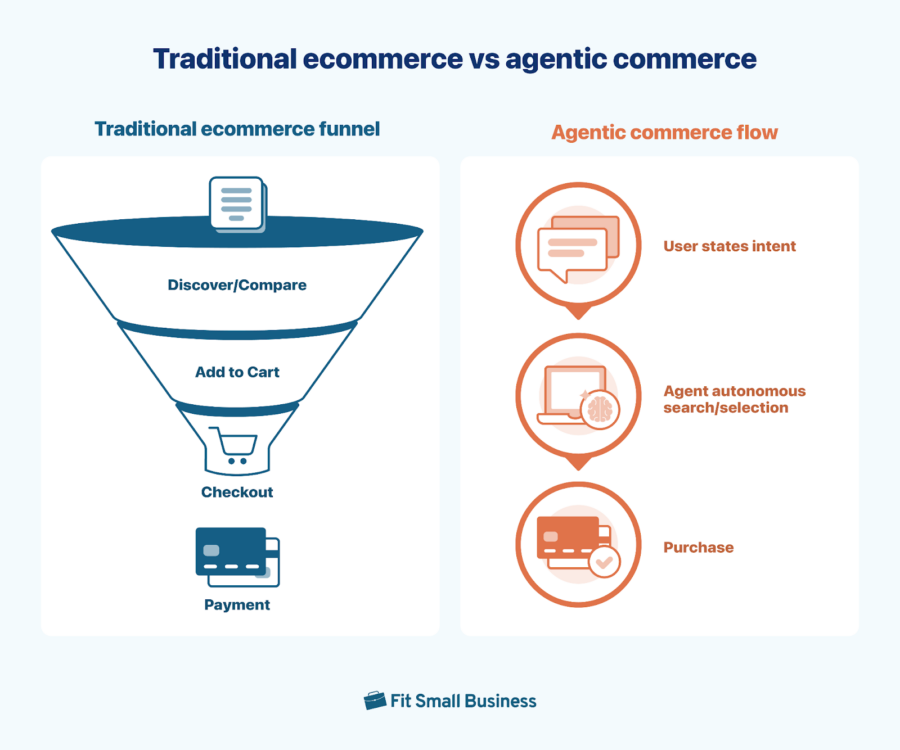
As Ethan Mollick predicts AI agents will dominate public digital platforms, luxury brands face a critical choice: either let their brand be represented by generic AI interactions, or engineer intent-driven systems that consistently reflect their heritage, standards, and client commitment. Intent Engineering provides the methodology to choose the latter path while achieving the operational benefits of AI automation.