Key Takeaways
- Morgan Payments' Prashant Sharma detailed a trust infrastructure for agentic commerce, focusing on authentication and fraud prevention.
- This matters as AI agents increasingly handle high-value transactions in retail and luxury sectors.
What Happened
In an interview with Tearsheet, Prashant Sharma, Head of Payments at J.P. Morgan, outlined the company's strategy to build a trust infrastructure for agentic commerce—a paradigm where AI agents autonomously execute financial transactions on behalf of consumers and businesses. The initiative aims to address critical gaps in authentication, fraud prevention, and liability frameworks that current payment systems lack.
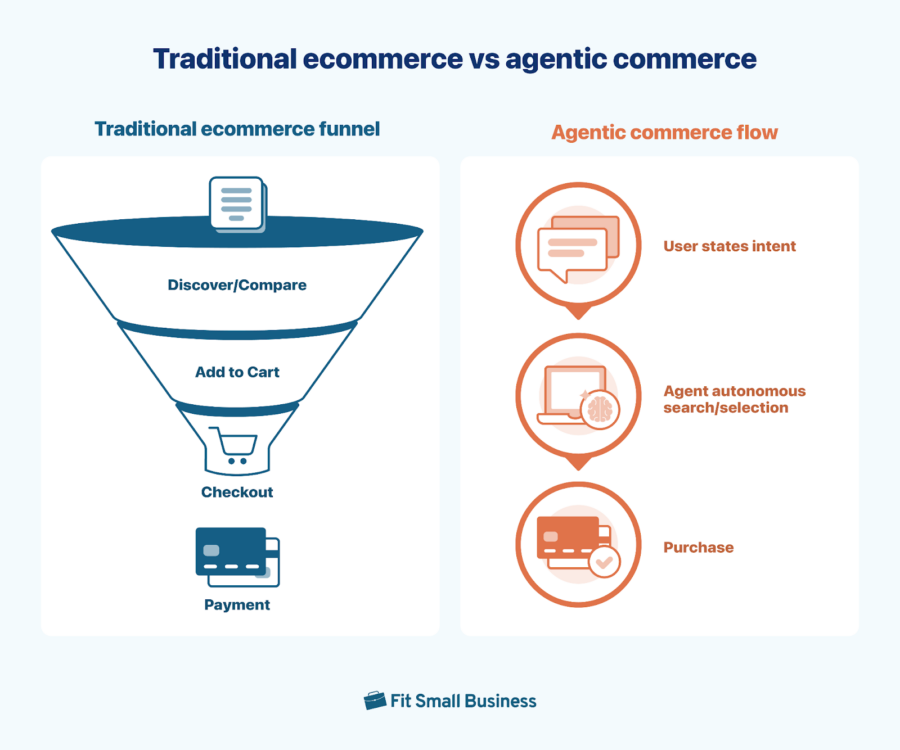
Sharma emphasized that agentic commerce represents a fundamental shift from traditional e-commerce, where humans manually authorize each transaction. In an agentic model, AI agents—powered by large language models and other AI systems—may negotiate, purchase, and manage payments without direct human intervention. This creates new risks: How do you authenticate an AI agent? Who is liable if an agent makes a fraudulent purchase? How do you ensure trust between parties when no human is in the loop?
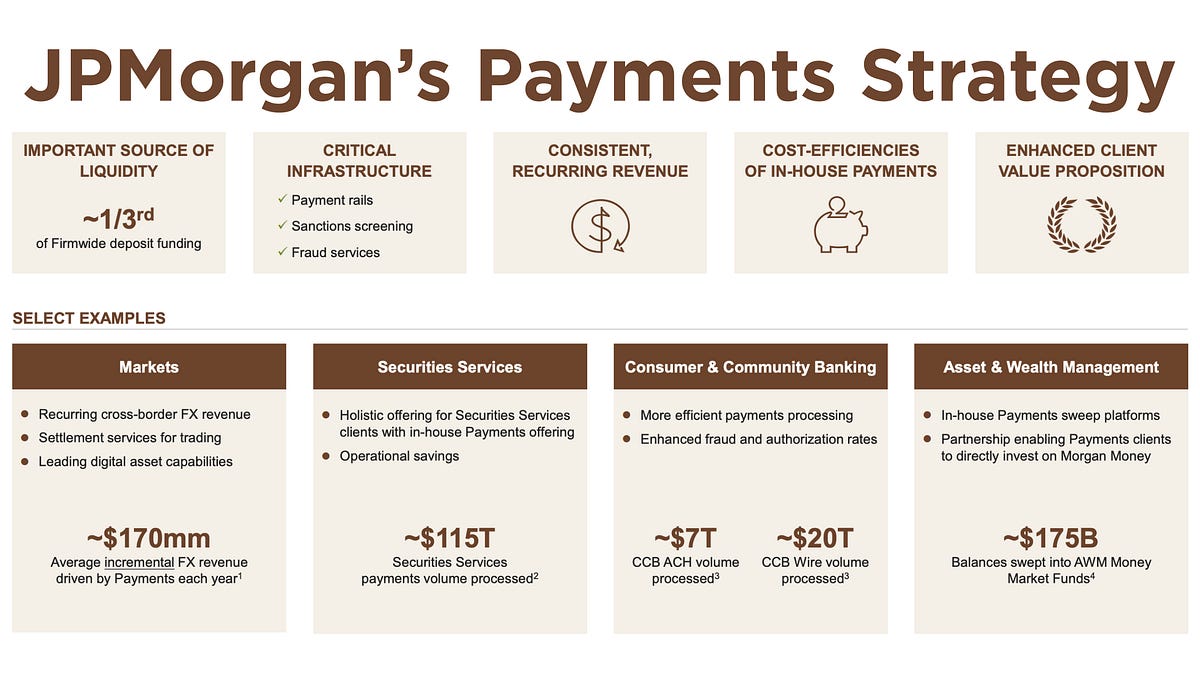
J.P. Morgan Payments, a division of the largest U.S. bank by assets, processes $10 trillion in daily payments across 180 countries. The trust infrastructure Sharma described is designed to provide a secure layer for this emerging ecosystem, leveraging the bank's existing expertise in payment security, identity verification, and risk management.
Technical Details
The trust infrastructure Sharma discussed is not a single product but a set of protocols and services that J.P. Morgan is developing. Key components include:
- Agent Identity and Authentication: Systems that verify the identity of an AI agent and link it to a verified human or business entity, similar to how digital certificates authenticate websites today.
- Transaction Authorization Frameworks: Rules that define what an agent is allowed to do, including spending limits, merchant restrictions, and approval chains for high-value transactions.
- Liability and Dispute Resolution: Clear protocols for who bears responsibility when an agentic transaction fails or is fraudulent, which is critical for building trust among merchants and consumers.
- Real-Time Risk Scoring: AI-driven models that assess the risk of each agentic transaction in milliseconds, flagging anomalies based on agent behavior patterns, transaction history, and contextual data.
Sharma noted that J.P. Morgan is collaborating with technology partners, including Google Cloud (which provides AI infrastructure), to develop these capabilities. Google, which appears in 510 prior articles on gentic.news, has been a key partner for J.P. Morgan in cloud and AI initiatives.
Retail & Luxury Implications
For the retail and luxury sectors, agentic commerce trust infrastructure is highly relevant. Luxury brands like Kering, Richemont, and Burberry handle high-value transactions—often exceeding $10,000 per item—where fraud risk and trust are paramount. An AI agent purchasing a $50,000 handbag or a $200,000 watch requires robust authentication and liability frameworks.
Scenarios where J.P. Morgan's infrastructure could apply:
- High-Value Personal Shopping: Wealthy consumers may delegate personal shopping to AI agents that understand their preferences, negotiate prices, and complete purchases. Trust infrastructure ensures these agents are authenticated and transactions are secure.
- Supply Chain Payments: Luxury brands use AI agents to manage inventory, reorder materials, and pay suppliers. Autonomous payments between agents require trust protocols to prevent fraud and ensure compliance.
- Resale and Authentication: In the luxury resale market, AI agents could verify product authenticity and execute payments. Trust infrastructure would ensure agents are verified and transactions are immutable.
- Cross-Border Transactions: Luxury brands operate globally, and agentic commerce could simplify cross-border payments. J.P. Morgan's infrastructure, with its global reach, could provide a unified trust layer.
However, Sharma's vision is still nascent. The trust infrastructure is in development, and widespread adoption in retail will depend on industry standards, regulatory clarity, and merchant readiness. The gap between current payment systems and full agentic commerce is significant, but J.P. Morgan's move signals that major financial institutions are taking it seriously.
Business Impact
Quantified impact is limited in this interview, but context from the broader market is instructive. Agentic commerce is projected to grow from $5 billion in transaction value in 2025 to over $200 billion by 2030, according to industry estimates. J.P. Morgan's daily payment volume of $10 trillion means even a small percentage of agentic transactions could represent billions in volume.
For luxury retailers, the stakes are higher. A single high-value transaction can exceed $100,000, and fraud in agentic commerce could erode consumer trust. J.P. Morgan's infrastructure could reduce fraud losses, which currently average 1-2% of revenue for luxury e-commerce, by providing robust authentication and liability frameworks.
Implementation Approach
For retail and luxury brands considering agentic commerce, implementation will require:
- Integration with Payment Providers: Working with J.P. Morgan or similar institutions to adopt trust protocols as they become available.
- Agent Identity Management: Establishing systems to issue and manage digital identities for AI agents, likely through partnerships with identity verification providers.
- Risk Modeling: Developing or adopting AI models that can assess transaction risk in real-time, tailored to high-value luxury purchases.
- Legal and Compliance Frameworks: Updating terms of service, liability agreements, and compliance procedures to account for agentic transactions.
Complexity is moderate to high, depending on existing infrastructure. Brands with mature e-commerce and payment systems will find integration easier, but those reliant on legacy systems may face challenges.
Governance & Risk Assessment
- Privacy: Agentic transactions generate data on consumer preferences, spending habits, and agent behavior. J.P. Morgan must ensure compliance with GDPR, CCPA, and other data protection regulations.
- Bias: AI agents may inherit biases from their training data, leading to discriminatory pricing or exclusion. Trust infrastructure should include fairness audits.
- Maturity Level: The technology is in early development (TRL 4-5). Production-ready solutions are likely 2-3 years away for most retail use cases.
- Fraud Risk: Agentic commerce introduces new fraud vectors, such as agent impersonation and collusion. J.P. Morgan's infrastructure must evolve to address these.
gentic.news Analysis
J.P. Morgan's move into agentic commerce trust infrastructure is a strategic bet that AI agents will become a primary interface for financial transactions. For luxury retailers, this is both an opportunity and a risk. The opportunity lies in enabling frictionless, high-value transactions that can scale with AI-driven personalization. The risk is that without trust infrastructure, agentic commerce could lead to fraud and liability disputes that damage brand reputation.
The partnership with Google Cloud is notable given Google's extensive AI capabilities, including Gemini models and Vertex AI. Google has been investing heavily in agentic AI across its ecosystem, as seen in recent Gemini Flash model releases and the development of the Frozen v2 chip for AI inference. J.P. Morgan's trust infrastructure could become a key differentiator for Google Cloud in the financial services vertical.
However, the timeline is uncertain. Sharma's interview was high-level, and concrete products are not yet available. Luxury brands should monitor developments but not rush to implement until standards mature. The real inflection point will come when industry consortia (e.g., SWIFT, ISO) establish standards for agentic commerce, which J.P. Morgan's infrastructure could help shape.
Bottom line: J.P. Morgan is laying groundwork for a future where AI agents transact autonomously. Luxury retailers with high-value products should prepare by evaluating their payment infrastructure and exploring partnerships with trust infrastructure providers. The technology is not ready for prime time in luxury retail today, but the direction is clear.
Source: news.google.com