Key Takeaways
- Kering launched a Sustainable Sourcing Assistant on Google Cloud's Vertex AI.
- The tool helps luxury brands like Gucci and Saint Laurent evaluate materials for environmental and social impact, advancing sustainability in procurement.
What Happened
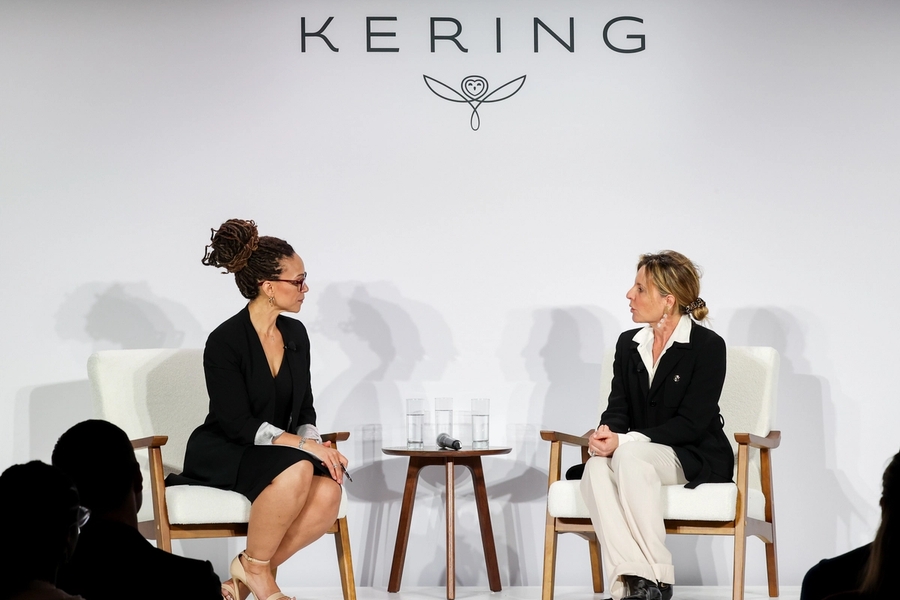
Kering, the French luxury group behind Gucci, Yves Saint Laurent, Balenciaga, and Bottega Veneta, has launched a Sustainable Sourcing Assistant built on Google Cloud's Vertex AI platform. The tool is designed to help the group's brands evaluate raw materials and suppliers against environmental and social sustainability criteria, enabling more informed procurement decisions.
While Kering has not released detailed technical specifications or performance metrics, the assistant represents a concrete enterprise AI deployment in the luxury supply chain — an area where AI adoption has lagged behind customer-facing applications like personalization and chatbots.
Technical Details
The Sustainable Sourcing Assistant is built on Google Cloud's Vertex AI, which provides a managed machine learning platform for building, deploying, and scaling AI models. Vertex AI supports a range of capabilities including custom model training, AutoML, and integration with Google's foundation models.
Key technical components likely include:
- Natural language processing (NLP) to parse sustainability reports, certifications, and supplier documentation
- Knowledge retrieval to cross-reference material properties against environmental databases (e.g., carbon footprint, water usage, chemical compliance)
- Decision support to score and rank materials based on weighted sustainability criteria
The assistant is likely powered by Gemini models running on Vertex AI, given Google's ecosystem and Kering's existing relationship with Google Cloud.
Retail & Luxury Implications
This deployment is significant for the luxury industry for several reasons:
1. Supply Chain Transparency
Luxury brands face growing regulatory pressure — the EU's Corporate Sustainability Reporting Directive (CSRD) and Digital Product Passport requirements demand detailed provenance data. An AI sourcing assistant can automate the collection and verification of supplier data, reducing manual audit costs.
2. Brand Risk Management
For houses like Gucci and Balenciaga, a single sustainability scandal can damage decades of brand equity. AI-driven sourcing helps preempt risks by flagging suppliers with poor environmental records or labor violations before contracts are signed.
3. Competitive Differentiation
Sustainability is increasingly a purchase driver for luxury consumers, especially Gen Z and Millennials. Brands that can credibly claim AI-verified sustainable sourcing gain a marketing advantage over competitors relying on manual or self-reported data.
4. Cross-Group Standardization
Kering operates multiple independent brands. A shared AI platform enables consistent sustainability standards across Gucci, Saint Laurent, and Bottega Veneta while allowing each brand to apply its own criteria weighting.
Business Impact
Kering has not disclosed specific ROI figures for the Sustainable Sourcing Assistant. However, comparable enterprise AI deployments in procurement typically deliver:
- 30-50% reduction in supplier vetting time
- 15-25% improvement in sustainability compliance rates
- Lower audit costs through automated documentation review
For a group with Kering's scale (€19.6 billion revenue in 2024), even modest efficiency gains translate to significant cost savings.
Implementation Approach
Based on the Google Cloud architecture, the likely implementation path includes:
- Data ingestion: Connect to supplier databases, certification bodies (e.g., GOTS, OEKO-TEX), and internal material catalogs
- Model configuration: Fine-tune a Gemini model on luxury supply chain terminology and sustainability frameworks
- Workflow integration: Embed the assistant into existing procurement systems (e.g., SAP Ariba, Coupa)
- Governance layer: Implement human-in-the-loop review for high-stakes sourcing decisions
Estimated effort: 6-12 months for initial deployment, given the complexity of integrating with multiple brand-specific systems.
Governance & Risk Assessment
Maturity: Early-stage enterprise deployment. The assistant likely augments human decision-making rather than autonomously placing orders.
Risks:
- Data quality: If supplier data is incomplete or inaccurate, the assistant's recommendations may be unreliable
- Model bias: AI models may inadvertently favor certain materials or regions, creating new sourcing inequities
- Regulatory compliance: The assistant must align with evolving EU sustainability reporting standards
Mitigations:
- Regular audits of supplier data inputs
- Explainable AI features to show why a material was scored a certain way
- Human override capability for all sourcing decisions
gentic.news Analysis
Kering's Sustainable Sourcing Assistant is a textbook example of vertical AI — a narrow, purpose-built application that solves a specific business problem rather than a general-purpose chatbot. This approach has a higher success rate in enterprise deployments because it addresses a clear pain point (sustainable procurement) with measurable outcomes.
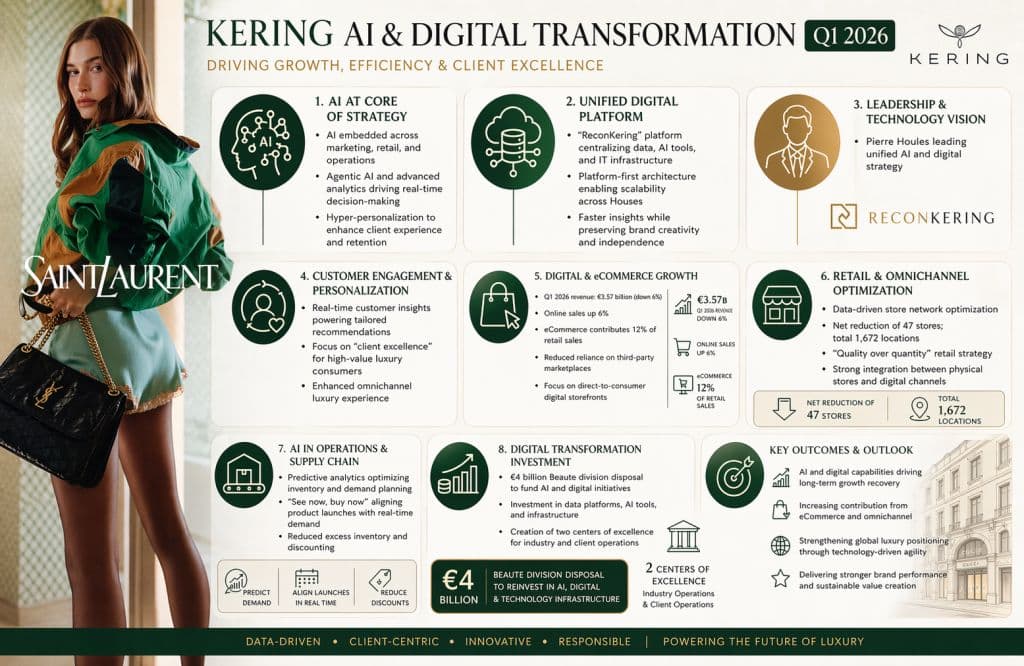
The choice of Google Cloud's Vertex AI is notable. Kering already uses Google Cloud for customer data unification and personalization (announced June 30, 2026), suggesting a deepening strategic relationship. For Google Cloud, this is a valuable reference customer in the luxury vertical — a sector where cloud adoption has been slower due to data sovereignty and exclusivity concerns.
Competitors like LVMH and Richemont should take note. LVMH has its own AI initiatives (e.g., Aura blockchain consortium) but has not publicly deployed a comparable sourcing assistant. If Kering's tool proves effective, it could become a competitive moat — especially as EU regulations tighten.
Caution: The assistant's real-world impact depends entirely on execution. Many AI procurement tools fail because they lack integration with legacy systems or because procurement teams distrust black-box recommendations. Kering must invest in change management alongside the technology.
Bottom line: This is a genuine, high-signal deployment of AI in luxury supply chains. It moves beyond the hype of customer-facing chatbots into operational AI that directly impacts sustainability reporting and brand risk. We will be watching for adoption metrics in Kering's next earnings call.
Source: news.google.com