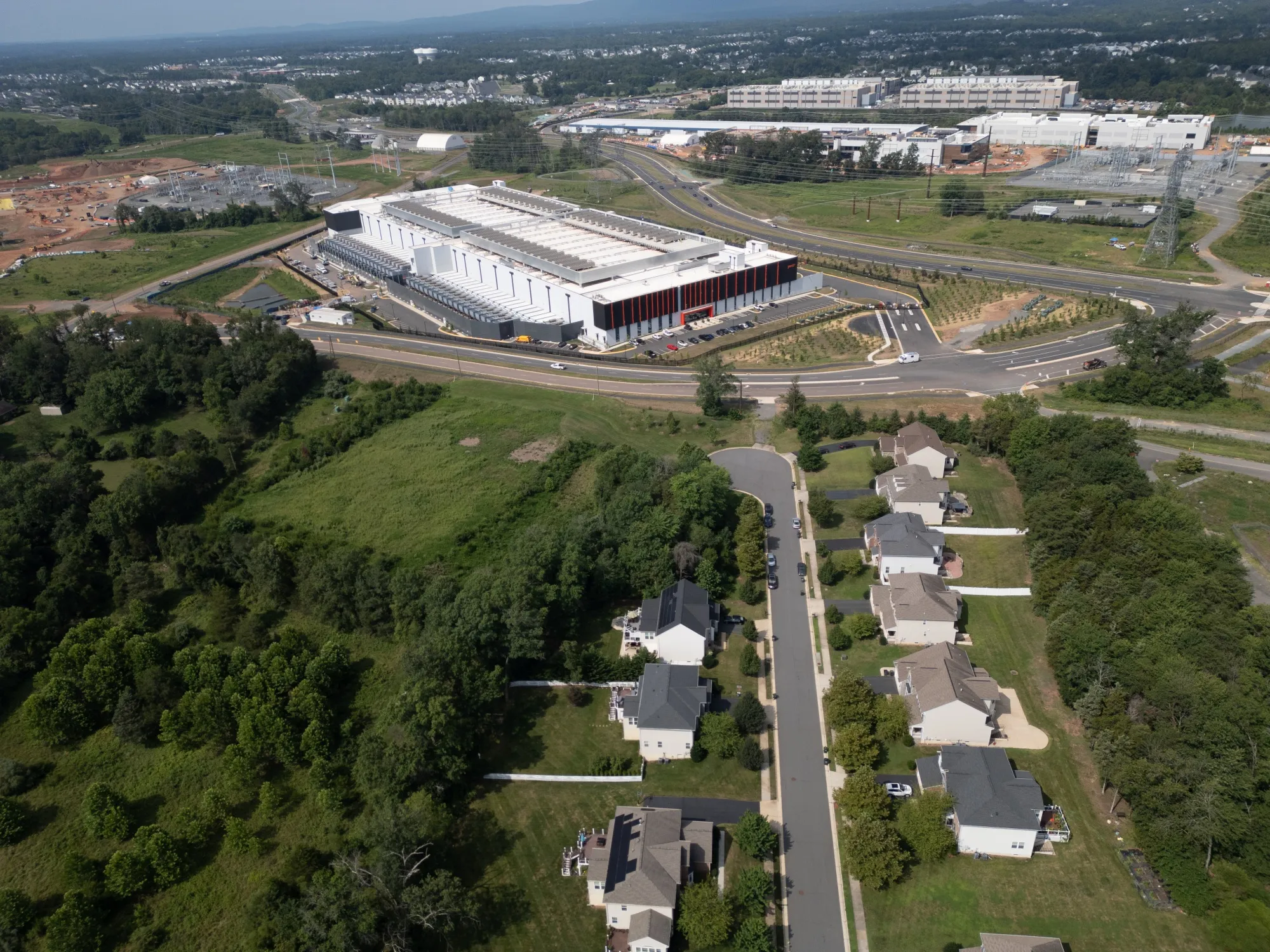
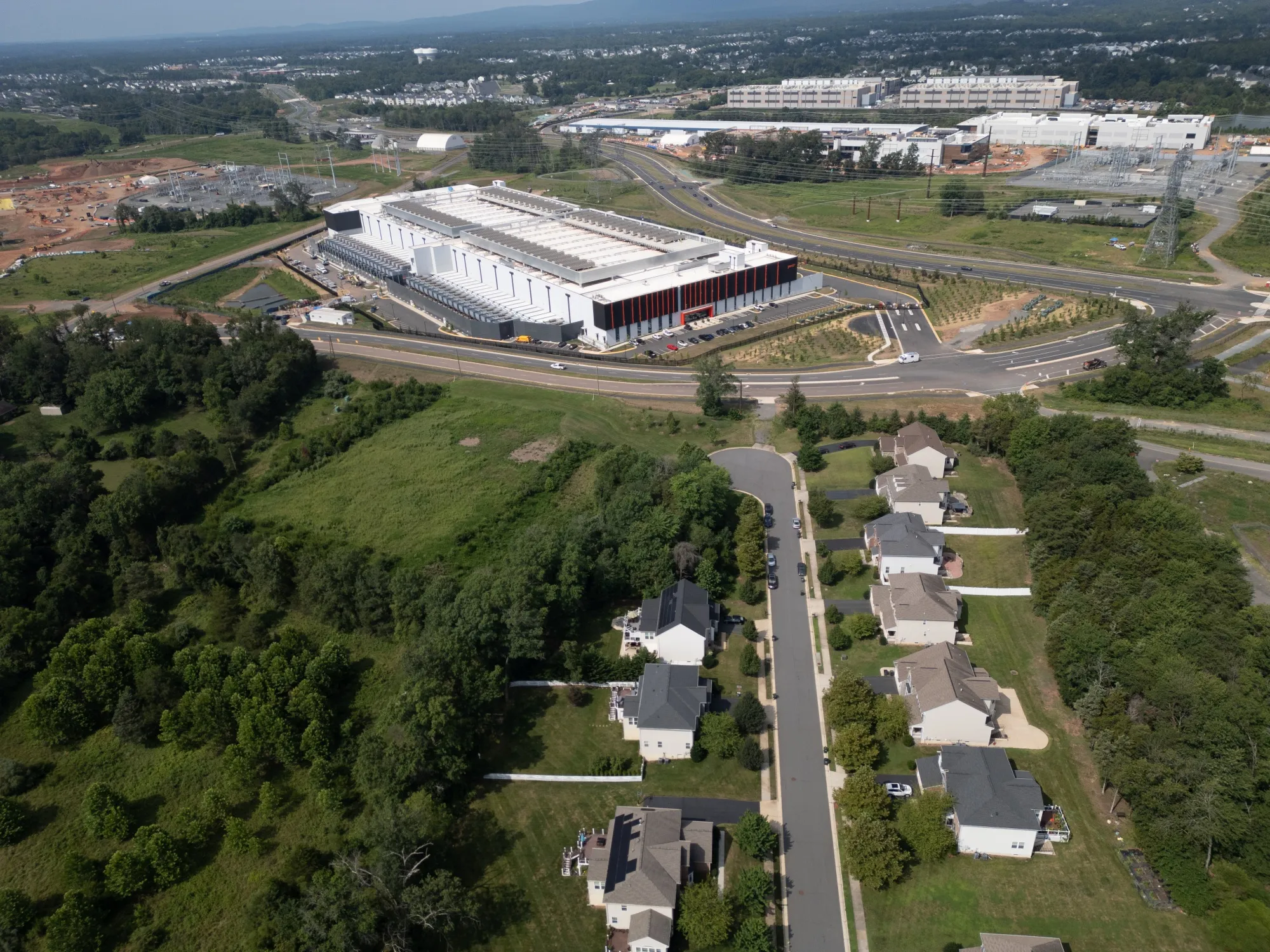
Loudoun County, Virginia, is beginning to rein in data center construction after more than 250 facilities transformed it into one of the richest counties in the US. The regulatory shift follows sustained resident pushback over noise, traffic, and the massive power draw of the region's server farms.
Key facts
- Loudoun County has more than 250 data centers
- County ranks among richest in the US
- Resident pushback drove the new building limits
- Specific new restrictions not yet fully disclosed
- Move signals potential slowdown in densest data center corridor
Loudoun County, Virginia — the undisputed epicenter of the global data center industry — is starting to tighten the rules on new construction. According to @tomshardware, the county's more than 250 data centers made it one of the wealthiest counties in the country, but residents are now pushing back hard enough that local officials are beginning to impose new building limits.
Key Takeaways
- Loudoun County, with 250+ data centers, begins restricting new construction amid resident pushback.
- Regulatory shift signals potential slowdown in the world's densest data center corridor.
The pushback behind the policy shift
The exact mechanics of the new restrictions remain thin in the source reporting. Tom's Hardware's tweet does not spell out whether the county is changing zoning ordinances, imposing new environmental review requirements, or capping the number of future permits. What is clear is the political dynamic: a jurisdiction that has profited enormously from the AI infrastructure boom is now facing the externalities that boom creates.
Residents in Loudoun have long complained about the constant hum of cooling systems, the diesel generators that back up the facilities, and the strain on the local power grid. The county's data centers consume an outsized share of electricity — a fact that has made it both a national model for AI infrastructure and a cautionary tale about the limits of unchecked growth.
What the new rules signal for the industry
The move matters beyond Northern Virginia for one structural reason: it is the first significant signal that the places hosting AI infrastructure are no longer willing to accept every project that comes their way. For years, data center developers treated counties like Loudoun as open terrain, offering tax revenue in exchange for land and power. That bargain is now being renegotiated.
The county did not disclose specific figures on how many pending projects might be affected, or what the new approval thresholds will be. The silence suggests the policy is still being shaped, and the details will matter enormously for developers with land already under option.
For the broader market, this is a reminder that AI's physical footprint is not just a supply-chain question — it is increasingly a regulatory one. If Loudoun, the industry's most established stronghold, begins to slow approvals, other jurisdictions will likely follow suit.
What to watch
Watch for the county board's next zoning meeting and any formal ordinance text specifying new approval thresholds or environmental review requirements. Also track whether pending data center permits in Loudoun get delayed or denied, and whether neighboring counties in Virginia's data center alley follow with similar restrictions.
[Updated 22 Aug via dc_frontier]
The regulatory tightening in Loudoun comes as a separate, massive AI infrastructure project—PORTS-Pike in Ohio—advances with an 8-GW capacity lease for OpenAI, backed by NVIDIA's $1.5 billion investment and residual-value guarantees. [per Data Center Frontier] NVIDIA's obligations are capped at $105 billion for its initial 4.25-GW commitment, a structure aimed at reducing long-term infrastructure risk. This contrast underscores that while Loudoun slows approvals, other regions are aggressively courting hyperscale projects, potentially shifting the epicenter of data center growth.
[Updated 22 Aug via gn_ai_data_center]
NVIDIA has expanded its Ohio footprint with a new partnership with SB Energy on a 10-GW AI data center complex, separate from the PORTS-Pike project. This adds another massive capacity commitment in the region, per Engineering News-Record. The deal underscores Ohio's growing role as a data center hub, potentially offsetting Loudoun's slowdown. While specifics on investment and timeline remain undisclosed, the scale signals sustained hyperscale demand beyond Northern Virginia.