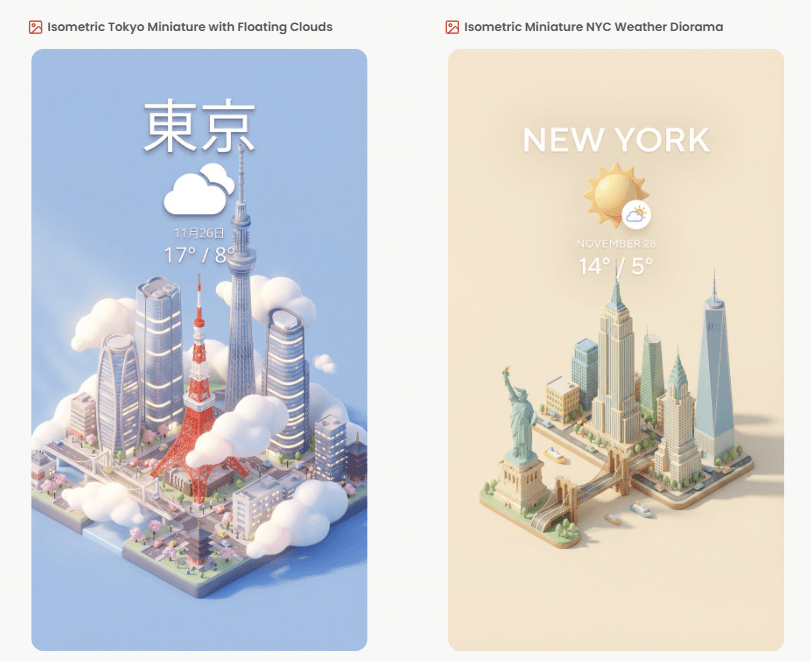
A new development in the AI art community has sparked significant excitement among creators and enthusiasts. A tool called MeiGen has emerged, described by early discoverers as the "ultimate prompt collection" for AI image generation. According to social media reports, this tool systematically scrapes and organizes high-quality prompts from leading AI artists, making sophisticated image generation techniques more accessible than ever before.
What is MeiGen?
MeiGen appears to be a curated database or scraping tool designed specifically for the AI image generation community. While details about its exact architecture remain limited from initial reports, the core function involves collecting prompts that have produced exceptional results from platforms like Midjourney, Stable Diffusion, DALL-E, and other AI image generators.
Unlike random prompt generators or basic collections, MeiGen reportedly focuses on quality over quantity, selecting prompts that have demonstrated proven effectiveness in creating compelling visual outputs. This approach addresses one of the most significant challenges in AI image generation: crafting prompts that reliably produce high-quality, specific results.
How It Works and Its Potential Impact
The tool's methodology involves scraping prompts from what appear to be "top AI artists"—likely creators who have established reputations for producing exceptional work through sophisticated prompt engineering. By analyzing and categorizing these successful prompts, MeiGen could potentially reveal patterns, techniques, and vocabulary that consistently yield impressive results.
This development has several potential implications:
Democratization of Advanced Techniques: By making high-quality prompts more accessible, MeiGen could help level the playing field between experienced prompt engineers and newcomers to AI image generation.
Educational Value: The collection could serve as a learning resource, allowing users to study successful prompts and understand how specific word choices, structures, and parameters affect image outcomes.
Accelerated Creativity: Rather than spending hours experimenting with prompt variations, creators might use MeiGen as a starting point or inspiration source, potentially accelerating their creative workflows.
The Broader Context of Prompt Engineering
MeiGen arrives at a time when prompt engineering has evolved from a niche skill to a recognized discipline within AI art creation. As AI image generators have become more sophisticated, the ability to craft effective prompts has emerged as a crucial skill—sometimes described as "the programming language of AI art."
Professional AI artists have developed complex methodologies for prompt construction, often involving:
- Specific artistic terminology and references
- Weighted parameters and modifiers
- Style descriptors and artistic movements
- Technical specifications for composition, lighting, and perspective
Tools like MeiGen could potentially codify and distribute this knowledge more broadly, though questions remain about attribution and the ethical considerations of scraping content from artists' work.
Potential Challenges and Considerations
While the emergence of MeiGen has generated excitement, several important considerations warrant attention:
Attribution and Ethics: The practice of scraping prompts from artists raises questions about intellectual property and attribution. While prompts themselves may not be copyrightable in many jurisdictions, the curation and organization of others' creative work deserves ethical consideration.
Quality Maintenance: As with any automated collection system, maintaining quality standards over time could prove challenging. The value of MeiGen depends heavily on its ability to distinguish genuinely exceptional prompts from merely adequate ones.
Platform Compatibility: Different AI image generators respond differently to similar prompts. A tool like MeiGen would need to account for these variations or risk providing prompts that don't translate well across platforms.
Evolution of AI Systems: As AI image generators continue to evolve, what constitutes an "effective prompt" may change. A collection tool would need regular updating to remain relevant.
The Future of AI Art Tools
MeiGen represents a natural evolution in the AI art ecosystem—the development of specialized tools that enhance and streamline the creative process. Similar to how photo editing evolved from basic software to sophisticated plugins and presets, AI image generation appears to be developing its own ecosystem of supporting tools and resources.
Looking forward, we might expect to see:
- More sophisticated prompt analysis and optimization tools
- Integration with image generators as native features
- Community-driven platforms for sharing and rating prompts
- Specialized tools for particular genres or styles of AI art
Conclusion
The emergence of MeiGen highlights the growing sophistication of the AI art community and the increasing recognition of prompt engineering as a valuable skill. While details about the tool remain limited from initial reports, its potential to democratize access to advanced prompt techniques could significantly impact how creators approach AI image generation.
As with any tool that aggregates community content, its long-term success will likely depend on how it balances accessibility with ethical considerations, maintains quality standards, and adapts to the rapidly evolving landscape of AI image generation. For now, MeiGen represents an intriguing development in the ongoing story of how humans and AI systems collaborate to create visual art.
Source: Initial report from @hasantoxr on X/Twitter