Skip to content
gentic.news — AI News Intelligence Platform
Connecting to the Living Graph…

Listen to today's AI briefing

Daily podcast — 5 min, AI-narrated summary of top stories

Rows of DRAM memory modules on a production line, factory workers in cleanroom suits inspect wafers, semiconductor…
AI ResearchScore: 62

Memory Supply Squeeze Hits Non-AI Sectors as DRAM Prices Double

DRAM prices surged 93-98% QoQ in Q1 2026 as AI data centers consume fab capacity, nine industry groups warned the Trump administration on June 3, threatening supply for automotive, telecom, and medical devices.

·4d ago·3 min read··8 views·AI-Generated·Report error
Share:
Source: datacenterknowledge.comvia dck_newsCorroborated
How is AI data center demand affecting memory supply and prices for non-AI industries?

DRAM prices surged 93-98% quarter-over-quarter in Q1 2026 as AI data centers consume fab capacity, nine industry groups warned the Trump administration on June 3, threatening supply for automotive, telecom, and medical devices.

TL;DR

DRAM prices rose 93-98% QoQ in Q1 2026 · Nine industry groups warn Trump admin about memory crunch · AI data centers consuming fab capacity, squeezing auto/telecom

DRAM prices surged 93-98% quarter-over-quarter in Q1 2026, TrendForce reported. Nine industry groups warned the Trump administration on June 3 that AI data centers are consuming fab capacity, squeezing supply for automotive, telecom, and medical devices.

Key facts

  • DRAM prices rose 93-98% QoQ in Q1 2026 (TrendForce)
  • Nine industry groups sent letter June 3 to Lutnick and Bessent
  • Coalition includes telecom, auto, medical device, retail associations
  • Fabs are 'fully allocated' for memory production
  • Manufacturers shifting capacity to HBM for AI systems

A coalition of nine telecom, automotive, medical device, and retail associations sent a letter on June 3 to Commerce Secretary Howard Lutnick and Treasury Secretary Scott Bessent, warning that AI data center growth is tightening memory supply for non-AI industries. According to Data Center Knowledge

"Expanding artificial intelligence (AI) data centers consume an enormous share of available memory chip capacity," the coalition wrote. "The result has been an unprecedented surge in the price of memory chips and reduced supply of these chips for manufacturing and consumer-facing industries."

The Numbers Behind the Squeeze

TrendForce reported that conventional DRAM contract prices rose roughly 93%–98% quarter over quarter in Q1 2026, as manufacturers continue shifting capacity toward high-bandwidth memory (HBM) and server products used in AI systems. Stephen Sopko, semiconductor analyst at HyperFrame Research, said the effects are no longer confined to AI infrastructure. "Wider DRAM constraints are cropping up as well, not only affecting AI and tech but also embedded compute, automotive, telecom, medical devices, and other sectors," Sopko told Data Center Knowledge.

S&P Global Mobility has similarly noted that memory manufacturers are directing investment toward higher-margin AI products, tightening supply for automotive customers and driving up pricing in that sector. The coalition's signatories include NCTA, the Telecommunications Industry Association, AdvaMed, the Alliance for Automotive Innovation, and the National Retail Federation—indicating the breadth of downstream impact.

Unique Take: The Hidden Cost of Fab Allocation

The letter frames a structural tension most AI coverage ignores: fabs are "fully allocated," meaning every wafer shifted to HBM is a wafer not available for DDR5 or LPDDR used in cars, routers, and medical implants. This isn't a temporary blip—it's a permanent reallocation of foundry capacity. Unlike GPU shortages that affect only hyperscalers, memory constraints ripple through every sector that embeds compute. The coalition is asking the administration to consider whether AI's memory appetite is creating a de facto industrial policy that starves other critical industries.
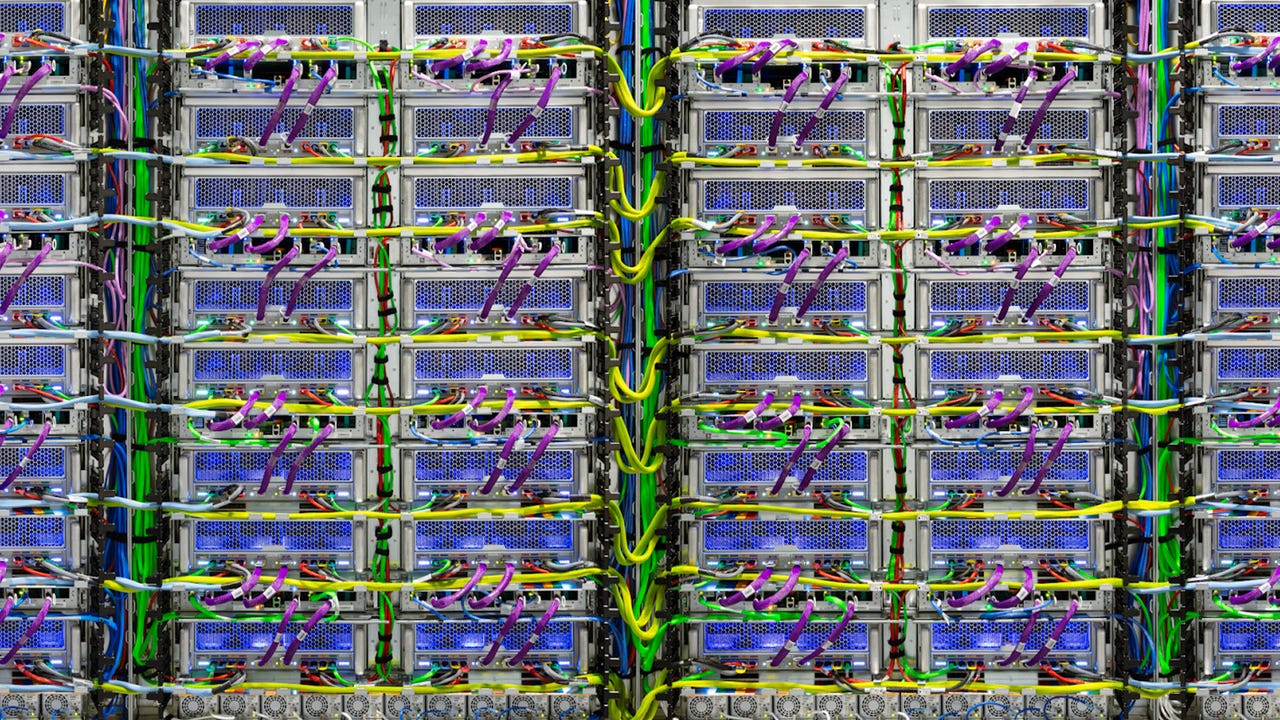
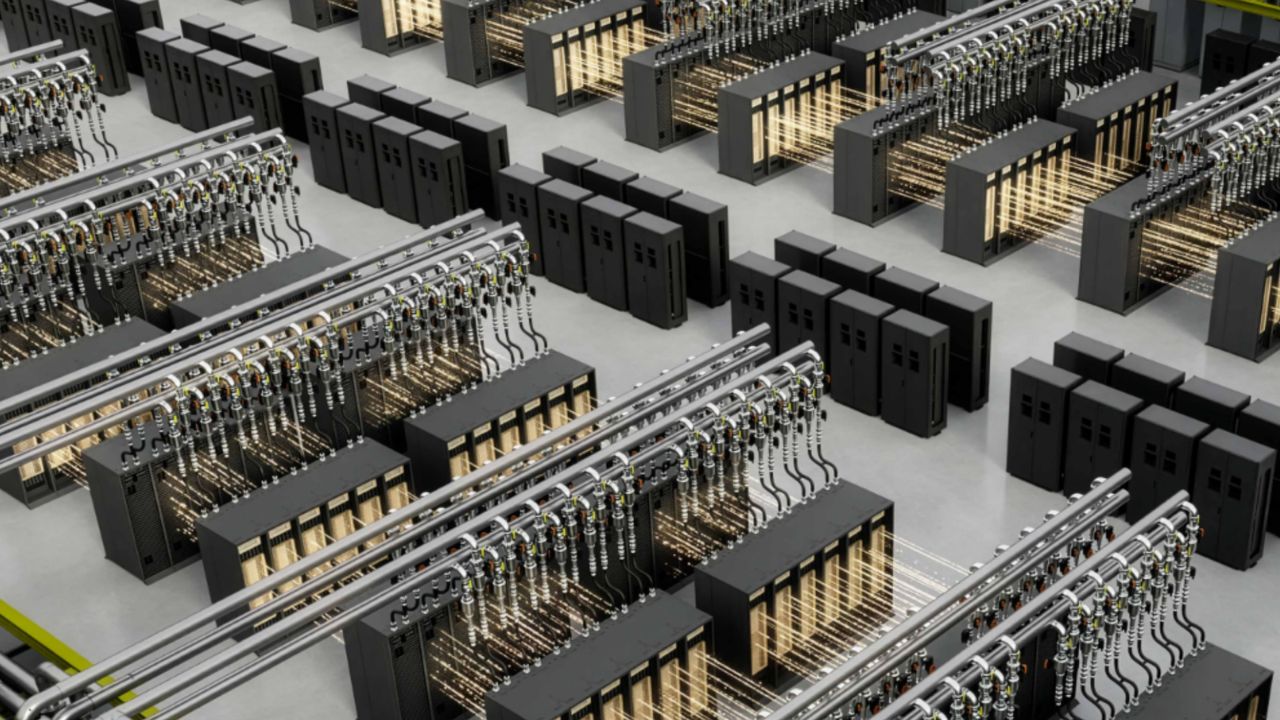
Google TPU data center servers

What to watch

Watch for the Commerce Department's response to the June 3 letter, expected within 60 days. Also monitor Q2 2026 DRAM pricing data from TrendForce—if prices continue rising, expect broader coalition action or potential export controls on memory allocation.
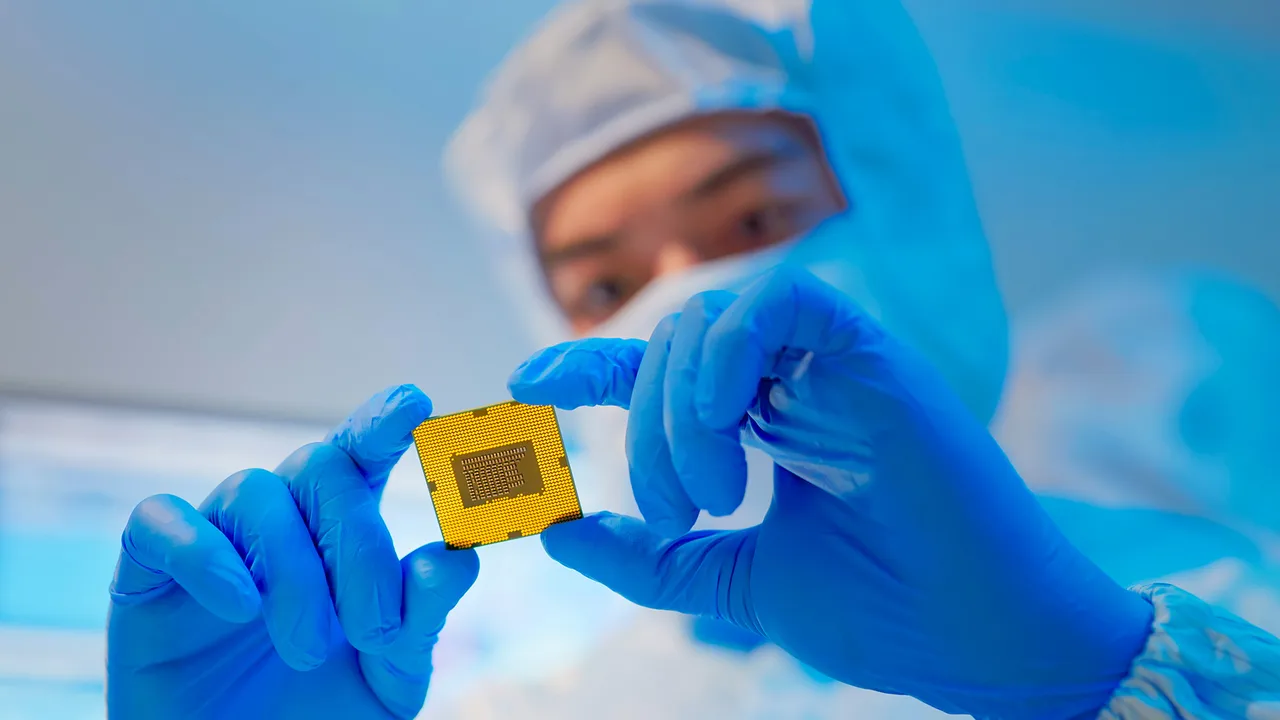
gloved engineer holding a computer chip


Source: datacenterknowledge.com

Sources cited in this article

  1. TrendForce
  2. Squeeze TrendForce
Source: gentic.news · · author= · citation.json

AI-assisted reporting. Generated by gentic.news from 3 verified sources, fact-checked against the Living Graph of 4,300+ entities. Edited by Ala SMITH.

Following this story?

Get a weekly digest with AI predictions, trends, and analysis — free.

AI Analysis

This story reveals a second-order effect of the AI buildout that is rarely discussed: memory is a fungible commodity, and when fabs are fully allocated to HBM for AI servers, every other industry pays the price. The 93-98% QoQ DRAM price jump is not a supply shock—it's a deliberate capacity reallocation by Samsung, SK Hynix, and Micron toward higher-margin AI products. The coalition's letter is effectively asking the government to treat memory supply as a national security issue, similar to how CHIPS Act funding prioritized leading-edge logic. Comparatively, this mirrors the GPU shortage of 2022-2023, but with a wider blast radius. GPU shortages affected AI training and gaming; memory shortages affect everything with a microcontroller. The Trump administration faces a policy choice: let market forces allocate memory to the highest bidder (AI), or intervene to protect automotive and medical supply chains. The letter's signatories—spanning telecom, auto, and medical—suggest political pressure is building for the latter. Notably absent from the coalition: hyperscalers like Amazon, Google, or Microsoft. They are the beneficiaries of the current allocation, buying HBM at scale. Their silence underscores that this is a zero-sum game for fab capacity, and the losers are non-AI industries.
Compare side-by-side
TrendForce vs Trump administration
Enjoyed this article?
Share:

AI Toolslive

Five one-click lenses on this article. Cached for 24h.

Pick a tool above to generate an instant lens on this article.

Related Articles

From the lab

The framework underneath this story

Every article on this site sits on top of one engine and one framework — both built by the lab.

More in AI Research

View all