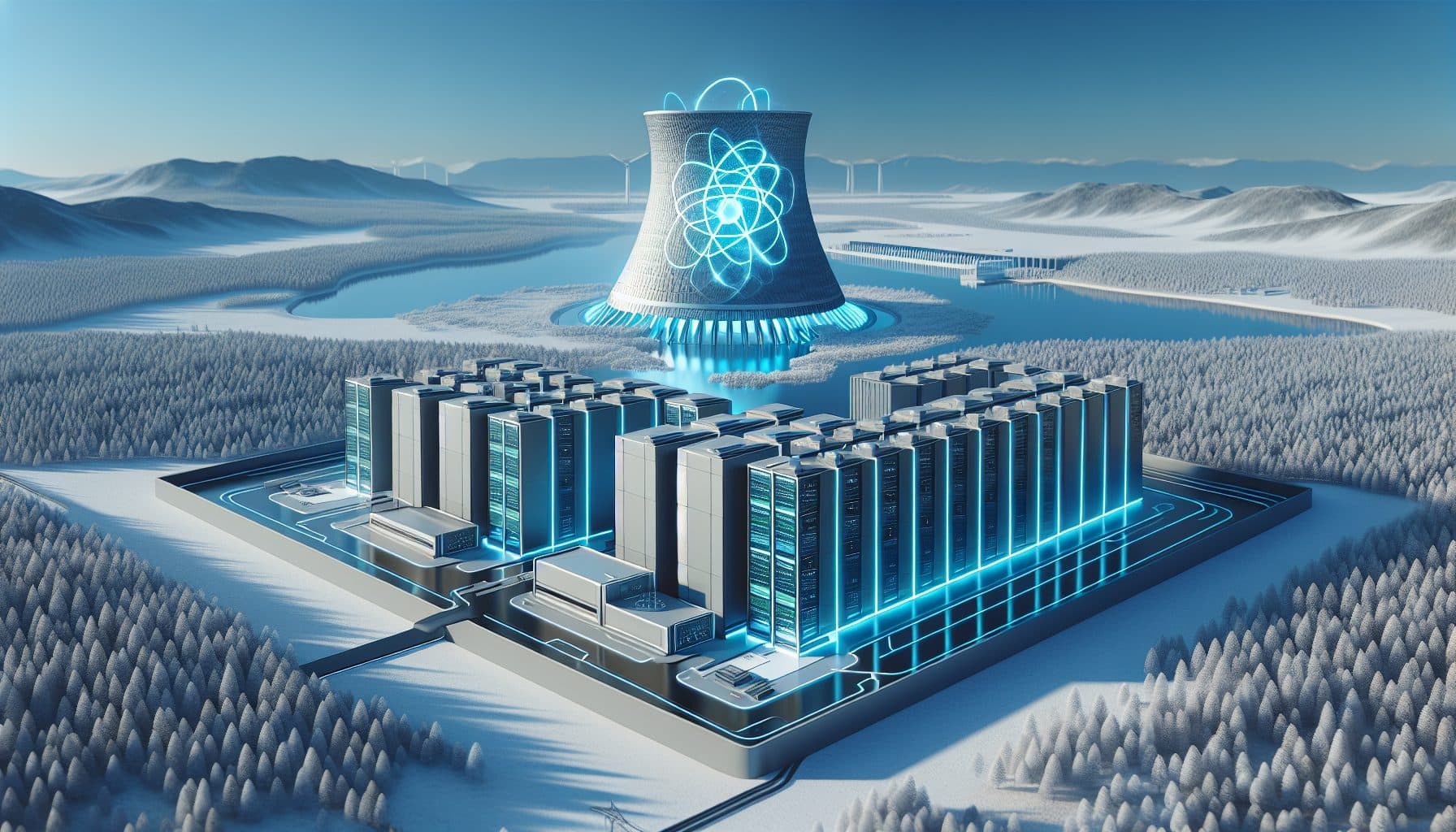
Infinite Cooling, an MIT spinoff, debuted a nuclear-inspired cooling system that recycles data center heat. The system targets 40% water reduction by capturing vapor from cooling towers.
Key facts
- Infinite Cooling targets 40% reduction in data center water consumption.
- System uses absorption chillers to convert waste heat into cooling energy.
- Data center water usage: 3-5 million gallons per day for 100MW facility.
- Startup claims 10-15% energy cost reduction via heat reuse.
- Pilot tests completed but commercial customers undisclosed.
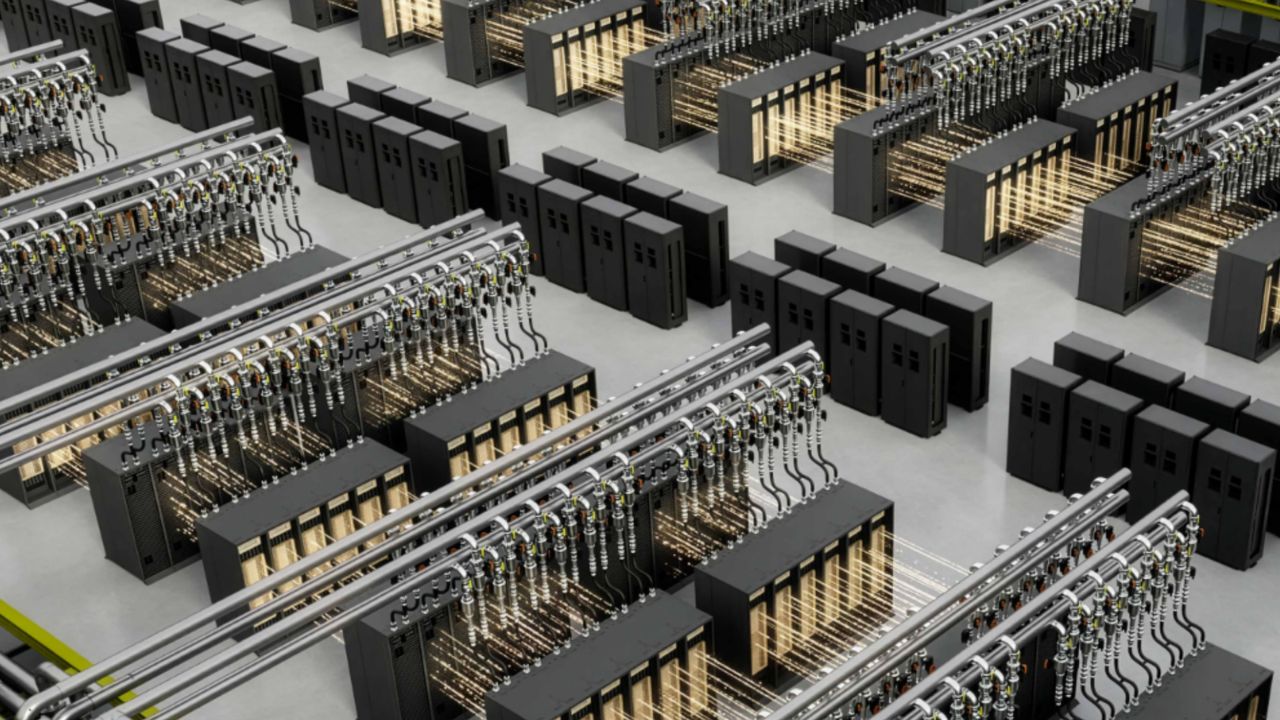
Infinite Cooling, an MIT spinoff, has developed a cooling system for data centers that borrows principles from nuclear power plant cooling towers. The technology captures water vapor that normally evaporates from cooling towers and reuses it, aiming to cut water consumption by 40%. It also recycles waste heat via absorption chillers to further cool incoming air, creating a closed-loop process. [According to MIT News](https://news.google.com/rss/articles/CBMisgFBVV95cUxPU1A4OU82OWZFREZqSFdqYnQ2cW5jd3ZJM1pydkctdEI2TV9PaU03bU42cEFXbzJ2MDYyelA3cmtQRkh5N0JidHlibjVBVkJOckxoQXEtQnFNYml6R25jSV9PeXJRMDFFZW44bnBYMkoxX2pYRFRXcURCWGVtci05VXY0alp2OVRfLWFiNUN2VFZiS1ZoU1A5NHFoR2hISHhLRjRRejZyMkZPdHRqY0RjTWlB?oc=5]
Data centers are massive water consumers, with a single 100MW facility using up to 3-5 million gallons of water daily for cooling. Google, a major data center operator, has faced scrutiny over water usage in drought-prone regions. Infinite Cooling's system could help operators meet sustainability goals without relying on water-intensive evaporative cooling. The startup claims the system also reduces energy costs by 10-15% by reusing waste heat. [According to the company's claims]
The technology is still in early deployment. Infinite Cooling has tested the system at a few pilot sites but has not disclosed commercial customers or pricing. The company faces competition from other water-saving cooling methods, such as direct liquid cooling and immersion cooling, which eliminate evaporative losses entirely. However, those require retrofitting existing facilities, while Infinite Cooling's system can be added to existing cooling towers.
Key Takeaways
- MIT spinoff Infinite Cooling unveiled a nuclear-inspired cooling system that recycles data center heat and water, targeting 40% water use reduction.
- The tech faces competition from liquid cooling but offers retrofits for existing towers.
How the nuclear inspiration works
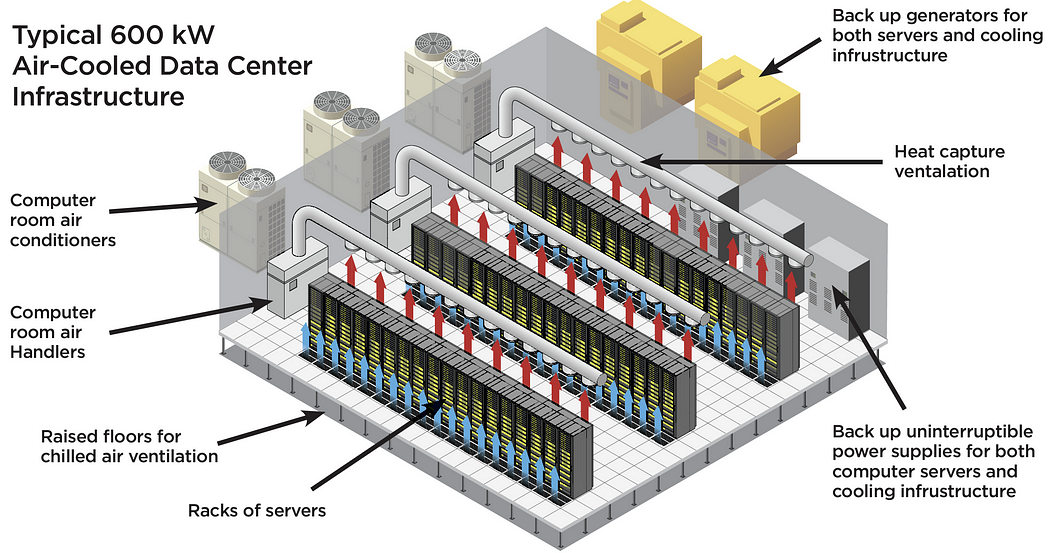
Nuclear power plants use cooling towers to dissipate waste heat, with some capturing steam for reuse. Infinite Cooling adapts this by using absorption chillers that convert waste heat into cooling energy. The captured vapor is condensed and returned to the cooling loop, reducing the need for fresh water. This differs from traditional evaporative cooling, which loses water to the atmosphere.
The approach is particularly relevant for AI infrastructure, where training and inference require massive compute power and generate significant heat. Google, which operates data centers globally, has invested in alternative cooling methods, including using treated wastewater and AI-optimized cooling systems. Infinite Cooling's system could complement these efforts, though its scalability remains unproven at large-scale deployments.
What to watch
Watch for Infinite Cooling's first commercial deployment announcement or a partnership with a major cloud provider like Google or Microsoft, which would signal the system's viability at scale. Also track any peer-reviewed efficiency data from pilot sites.
Source: news.google.com