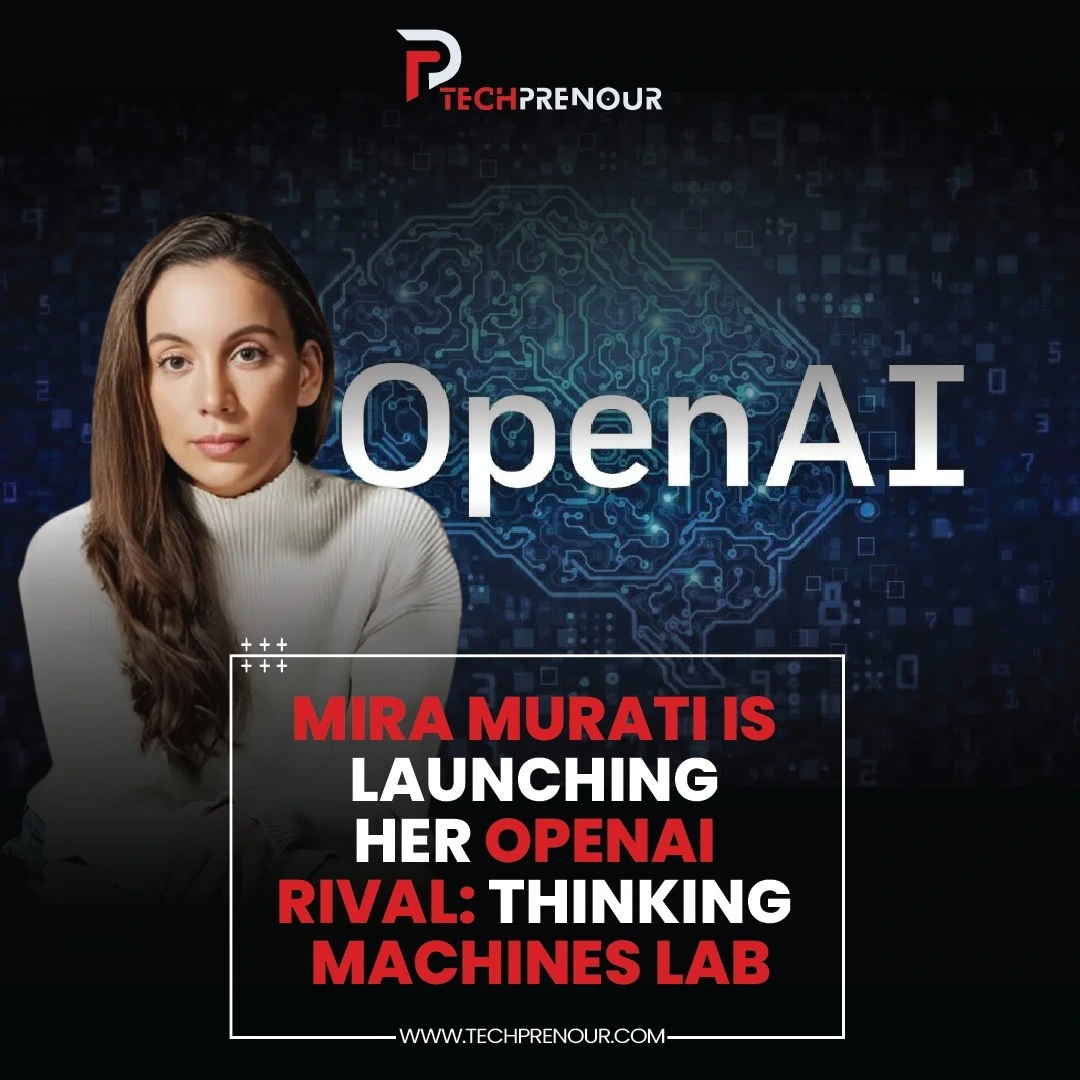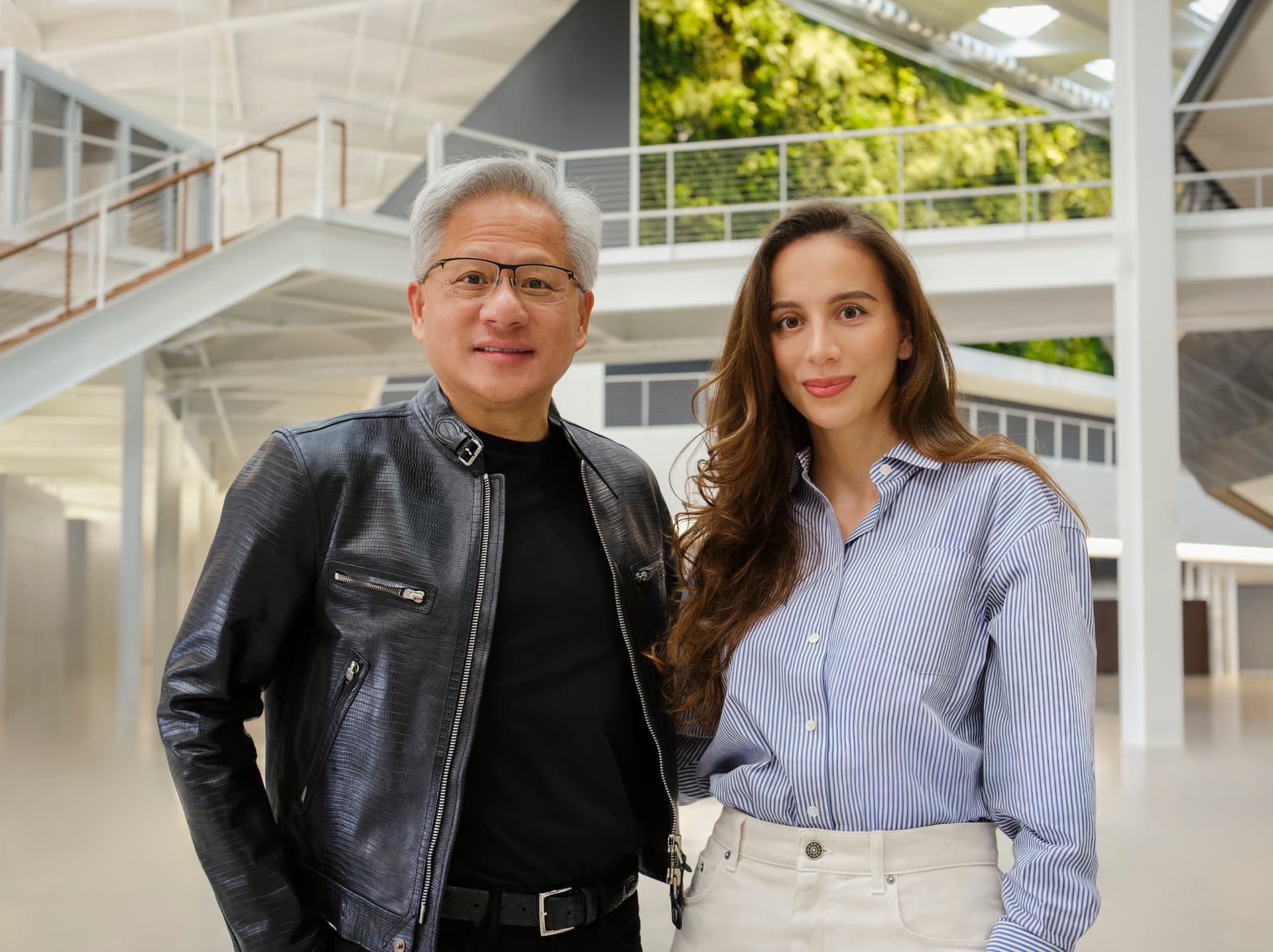
In a move that underscores the intensifying race for AI supremacy, Nvidia has announced a multiyear, gigawatt-scale strategic partnership with Thinking Machines Lab, an AI research company led by former OpenAI CTO Mira Murati. The partnership, which includes a significant investment from Nvidia, represents one of the most substantial infrastructure commitments to a single AI startup to date and signals a deepening alignment between hardware dominance and cutting-edge AI research.
The Partnership's Core Components
According to the official announcement, the partnership has three primary pillars:
Infrastructure at Scale: Nvidia will deploy at least one gigawatt of next-generation NVIDIA Vera Rubin systems to support Thinking Machines' frontier model training. This deployment, targeted for early next year, represents a massive compute resource dedicated to pushing the boundaries of AI capability. For context, a gigawatt of power could support a data center footprint rivaling some of the world's largest existing AI clusters.
Co-Design of Systems: The companies will collaborate to design specialized training and serving systems optimized for Nvidia's architectures. This suggests a move beyond mere hardware procurement toward a deeply integrated technical roadmap, where Thinking Machines' research insights directly influence future Nvidia system designs.
Broadening Access: A stated goal is to "broaden access to frontier AI and open models for enterprises, research institutions, and the scientific community." This aligns with Thinking Machines' stated mission of making advanced AI accessible and customizable.
The Players and Their Vision
Thinking Machines Lab, founded in early 2025, is a relatively new entrant but boasts formidable pedigree. Its team includes creators of seminal AI tools like ChatGPT and PyTorch. The company, led by CEO Mira Murati, emphasizes collaboration, real-world testing, and open sharing of methods. Their vision centers on building "AI that people can shape and make their own."
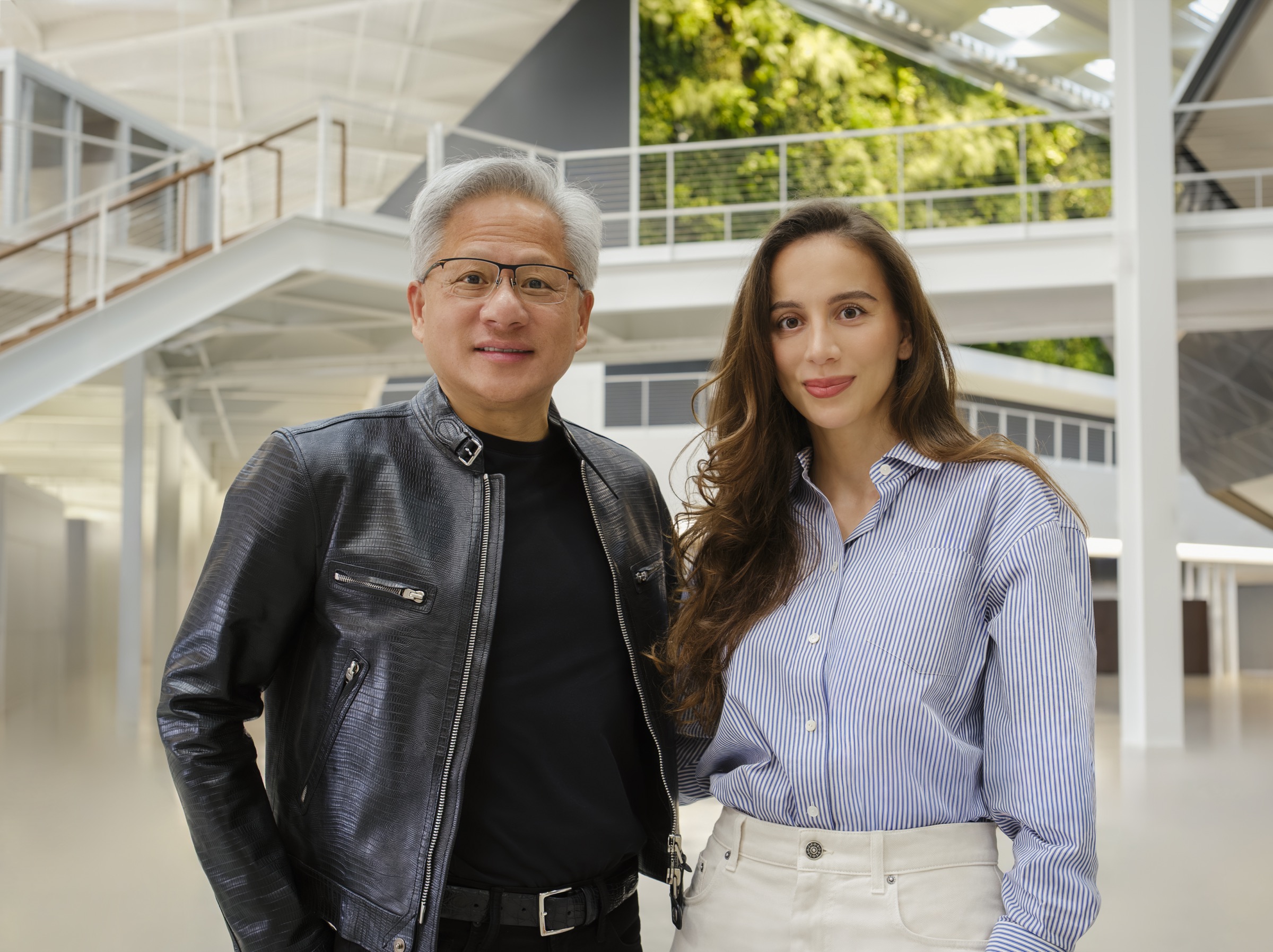
Nvidia, under CEO Jensen Huang, continues its strategy of embedding itself at the foundation of the AI ecosystem. Huang called AI "the most powerful knowledge discovery instrument in human history" and praised Thinking Machines' "world-class team." This partnership follows a pattern of strategic investments and deep partnerships with leading AI entities, including OpenAI.
Why This Partnership Matters
This deal is significant for several reasons:
- The Scale of Commitment: A gigawatt-scale commitment is a staggering vote of confidence in a startup. It provides Thinking Machines with the computational firepower necessary to compete in training frontier models, a arena historically dominated by tech giants and well-funded private companies.
- Vertical Integration of Stack: By co-designing systems, Nvidia gains invaluable feedback from a top-tier research team working on the frontier. This tight feedback loop can accelerate hardware and software optimization, strengthening Nvidia's product cycle.
- Shaping the AI Ecosystem: Nvidia's investment and partnership strategy is increasingly defining which research directions get the resources to flourish. Backing Thinking Machines, with its focus on customizable and open models, influences whether future AI development leans more toward closed, proprietary systems or accessible, adaptable platforms.
- Validating the "AI Lab" Model: The partnership demonstrates that specialized, independent AI research labs with elite talent can secure the infrastructure needed to pursue ambitious goals without being wholly subsumed into a larger corporate entity—provided they align with key platform providers like Nvidia.
Implications for the AI Landscape
The announcement highlights the growing concentration of power in the AI supply chain. Access to frontier-scale compute is the primary bottleneck for advanced AI research. By controlling this critical resource, Nvidia exercises enormous influence over the pace and direction of the field.
For enterprises and researchers, the promise of broader access to frontier models is promising, but the details of what "access" entails—whether through APIs, open-source releases, or partnerships—will be crucial to watch.
Finally, this partnership sets the stage for the next generation of AI hardware. The focus on the Vera Rubin platform, Nvidia's anticipated successor to the Blackwell architecture, indicates that both companies are betting on this new technology to deliver the leaps in efficiency and performance required for future models.
Source: Partnership announcement from Thinking Machines Lab and Nvidia.