In a move that redefines the scale of ambition in artificial intelligence, NVIDIA and Thinking Machines Lab announced on March 10, 2026, a multiyear strategic partnership to deploy at least one gigawatt of next-generation NVIDIA Vera Rubin AI systems. The collaboration represents what industry analysts describe as one of the largest compute commitments in AI history, with the hardware arrangement alone valued at tens of billions of dollars according to the Financial Times.
The Partnership's Monumental Scale
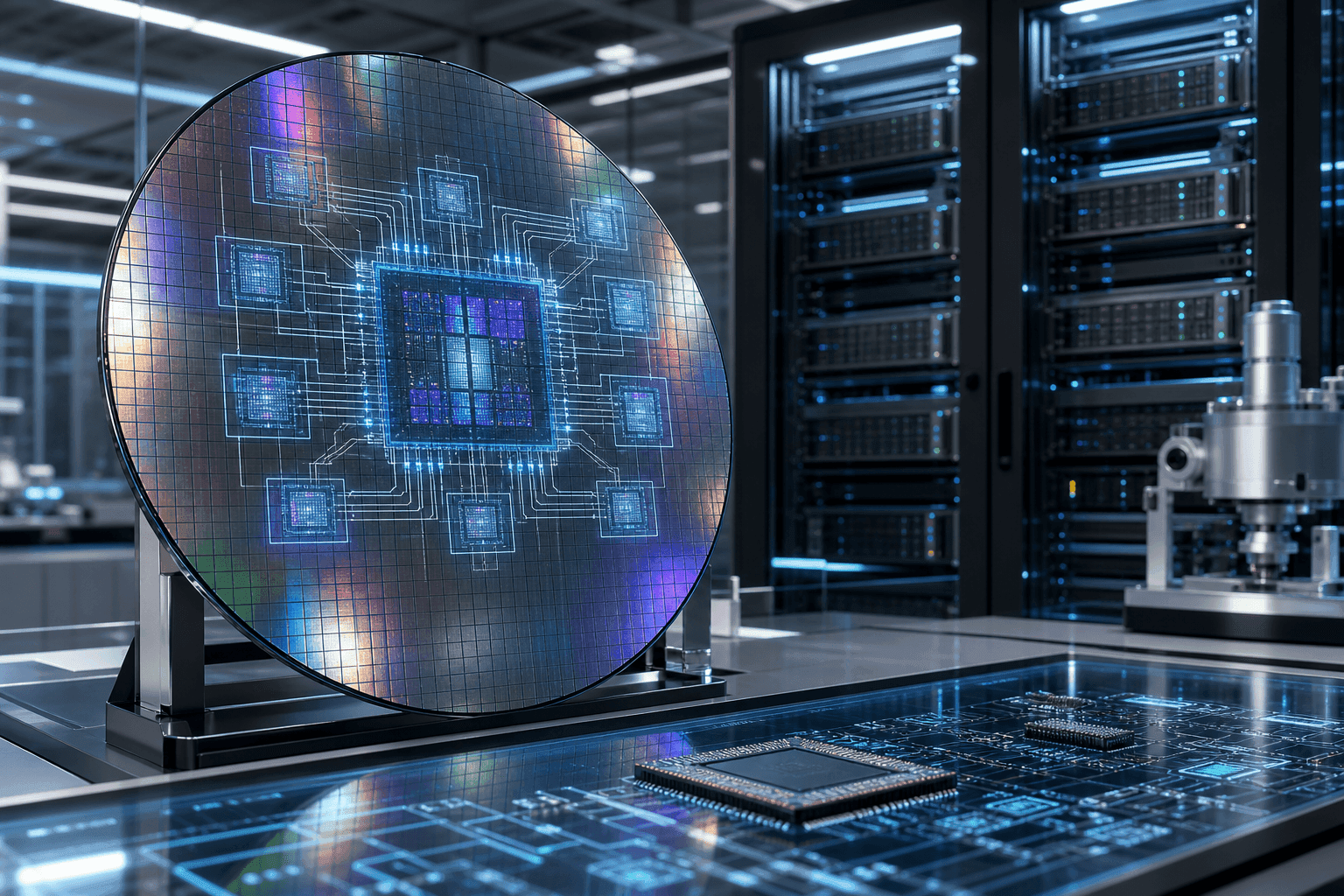
The partnership centers on deploying NVIDIA's forthcoming Vera Rubin platform—named after the pioneering astronomer—to support Thinking Machines' frontier model training and platforms designed to deliver customizable AI at scale. Deployment is targeted for early next year, marking one of the first major implementations of NVIDIA's next-generation architecture.
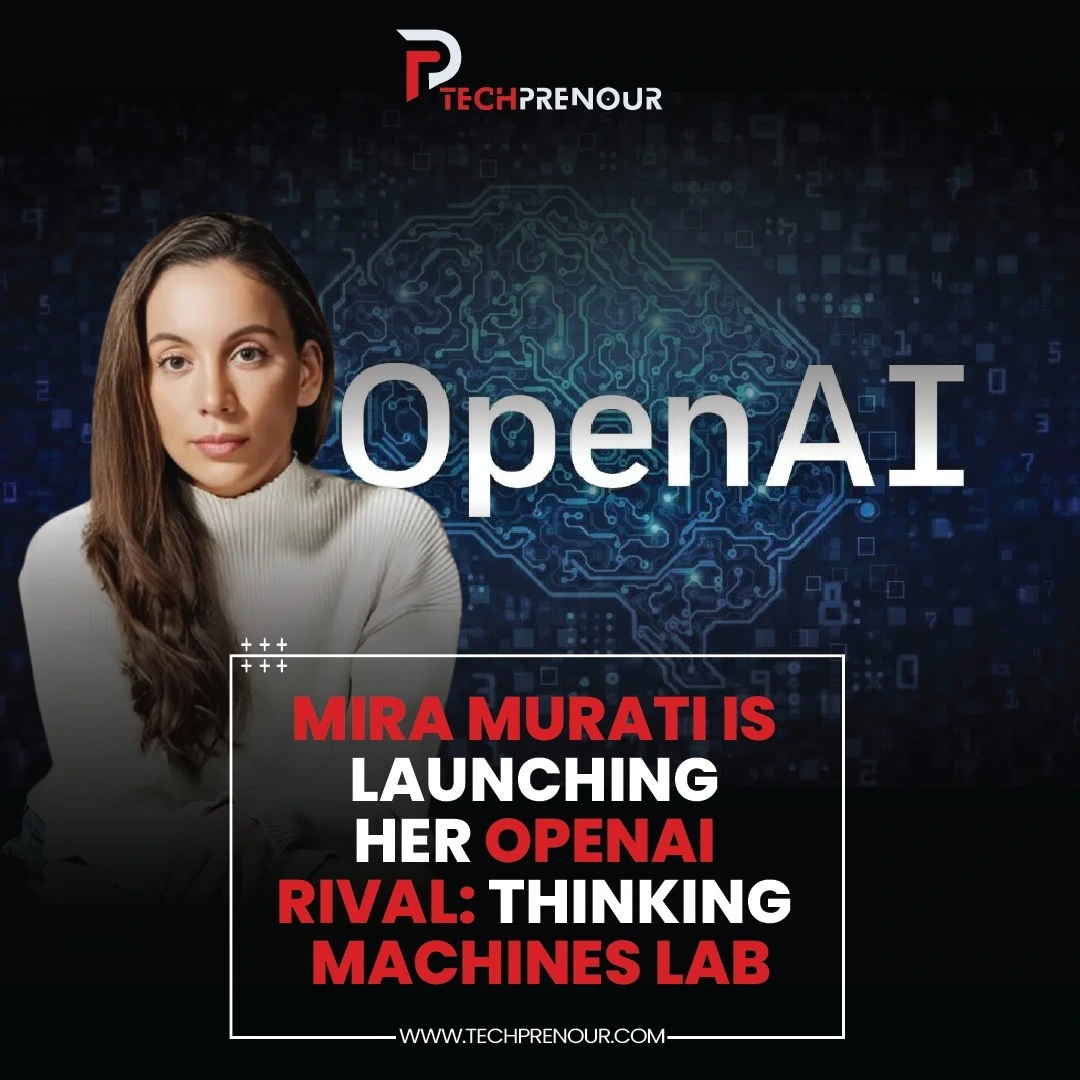
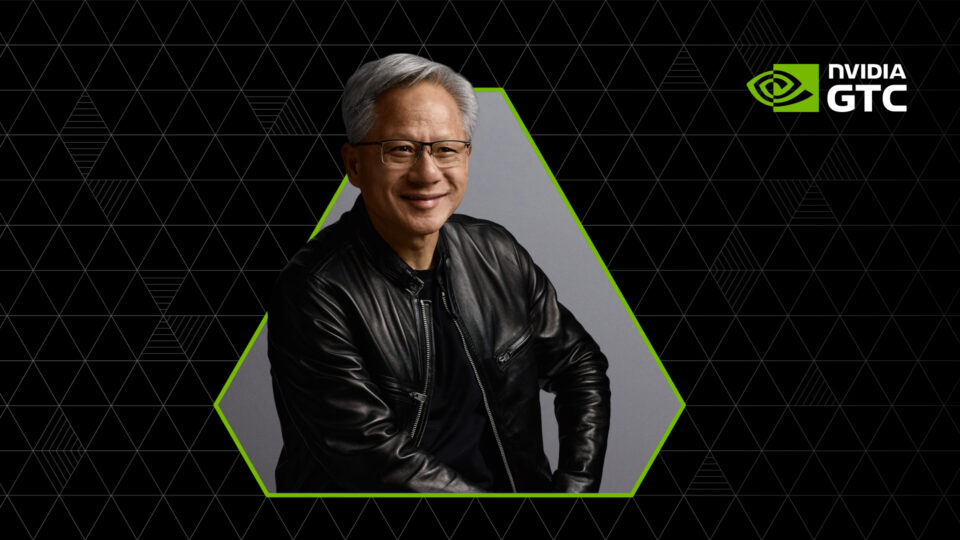
NVIDIA CEO Jensen Huang contextualized the investment's magnitude, having previously stated that one gigawatt of AI data center capacity costs up to $50 billion. This partnership effectively commits that level of resources to a single startup founded just over a year ago by Mira Murati, OpenAI's former chief technology officer.
"AI is the most powerful knowledge discovery instrument in human history," said Huang in the announcement. "Thinking Machines has brought together a world-class team to advance the frontier of AI. We are thrilled to partner with Thinking Machines to realize their exciting vision for the future of AI."
Thinking Machines: From Stealth to Center Stage
When Murati left OpenAI in September 2024, she remained notably quiet about her next venture. Founded in February 2025, Thinking Machines Lab has since raised more than $2 billion from investors including Andreessen Horowitz, Accel, and—somewhat unusually—the venture arm of AMD, NVIDIA's principal chip rival. NVIDIA has now joined that list with what both companies describe as a "significant investment," though neither has disclosed the exact figure.

The company has grown from roughly 30 employees a year ago to about 120 today, indicating rapid scaling to match its ambitious technical goals. Murati's vision centers on building "AI that people can shape and make their own," emphasizing customizability and collaboration—a potential differentiation from existing frontier models.
"NVIDIA's technology is the foundation on which the entire field is built," said Murati. "This partnership accelerates our capacity to build AI that people can shape and make their own, as it shapes human potential in turn."
Technical and Strategic Implications
The partnership extends beyond mere hardware provision. According to the announcement, it includes "an effort to design training and serving systems for NVIDIA architectures and broaden access to frontier AI and open models for enterprises, research institutions and the scientific community."
This suggests Thinking Machines will work closely with NVIDIA on optimizing the Vera Rubin architecture for its specific training approaches, potentially influencing future NVIDIA designs. The collaboration also aligns with NVIDIA's broader strategy of embedding itself deeply within the most promising AI research organizations, following similar significant investments in companies like OpenAI.
Context Within NVIDIA's Ecosystem
The announcement comes amidst a flurry of NVIDIA developments. Just one day earlier, on March 11, 2026, NVIDIA unveiled Nemotron 3 Super with a novel architecture that departs from traditional transformer designs. The company has also recently launched Blackwell Ultra and continues to develop its NVIDIA Omniverse platform.

The Vera Rubin system represents the next step beyond NVIDIA's current Blackwell architecture, promising substantial improvements in performance and efficiency for large-scale AI training. By committing this next-generation hardware to Thinking Machines, NVIDIA is effectively betting that Murati's team will be among the first to push the boundaries of what's possible with advanced AI infrastructure.
Market and Competitive Landscape
This partnership creates several ripple effects across the AI industry. First, it validates the emergence of Thinking Machines as a serious contender in frontier AI development, despite its relatively recent founding. Second, it demonstrates NVIDIA's willingness to make unprecedented compute commitments to promising startups, potentially raising the barrier to entry for other would-be competitors.
The involvement of AMD's venture arm as an investor in Thinking Machines adds an intriguing dimension, suggesting the startup may maintain some hardware flexibility despite its deep NVIDIA partnership. However, the scale of the Vera Rubin commitment indicates NVIDIA architecture will form the core of Thinking Machines' training infrastructure for the foreseeable future.
The Future of Customizable AI
At its heart, this partnership represents a massive investment in a particular vision of AI's future—one centered on customizable systems that users can adapt to their specific needs. This contrasts with the more monolithic approach of some existing frontier models and suggests Thinking Machines is pursuing a fundamentally different architectural philosophy.
The gigawatt-scale compute commitment provides the raw power necessary to explore this vision at the largest scales, potentially enabling new approaches to model personalization, specialization, and collaboration that require unprecedented training resources.
As both companies noted in their announcement: "Building powerful AI systems that are understandable, customizable and collaborative demands advances in research, design and infrastructure at scale. This partnership provides that foundation."
What Comes Next
With deployment targeted for early next year, the AI community will be watching closely to see what models emerge from this unprecedented compute allocation. The partnership represents not just a business arrangement but a statement of belief in a particular direction for AI development—one that prioritizes human-shaped intelligence over purely autonomous systems.
For NVIDIA, the investment further solidifies its position as the essential infrastructure provider for advanced AI research. For Thinking Machines, it provides the resources to pursue its ambitious vision without immediate constraints. For the broader AI ecosystem, it sets a new benchmark for what constitutes a serious commitment to frontier model development.
The coming years will reveal whether this $50 billion bet yields transformative AI systems or represents the peak of an investment cycle. Either way, March 10, 2026, will be remembered as the day the scale of AI ambition jumped by an order of magnitude.