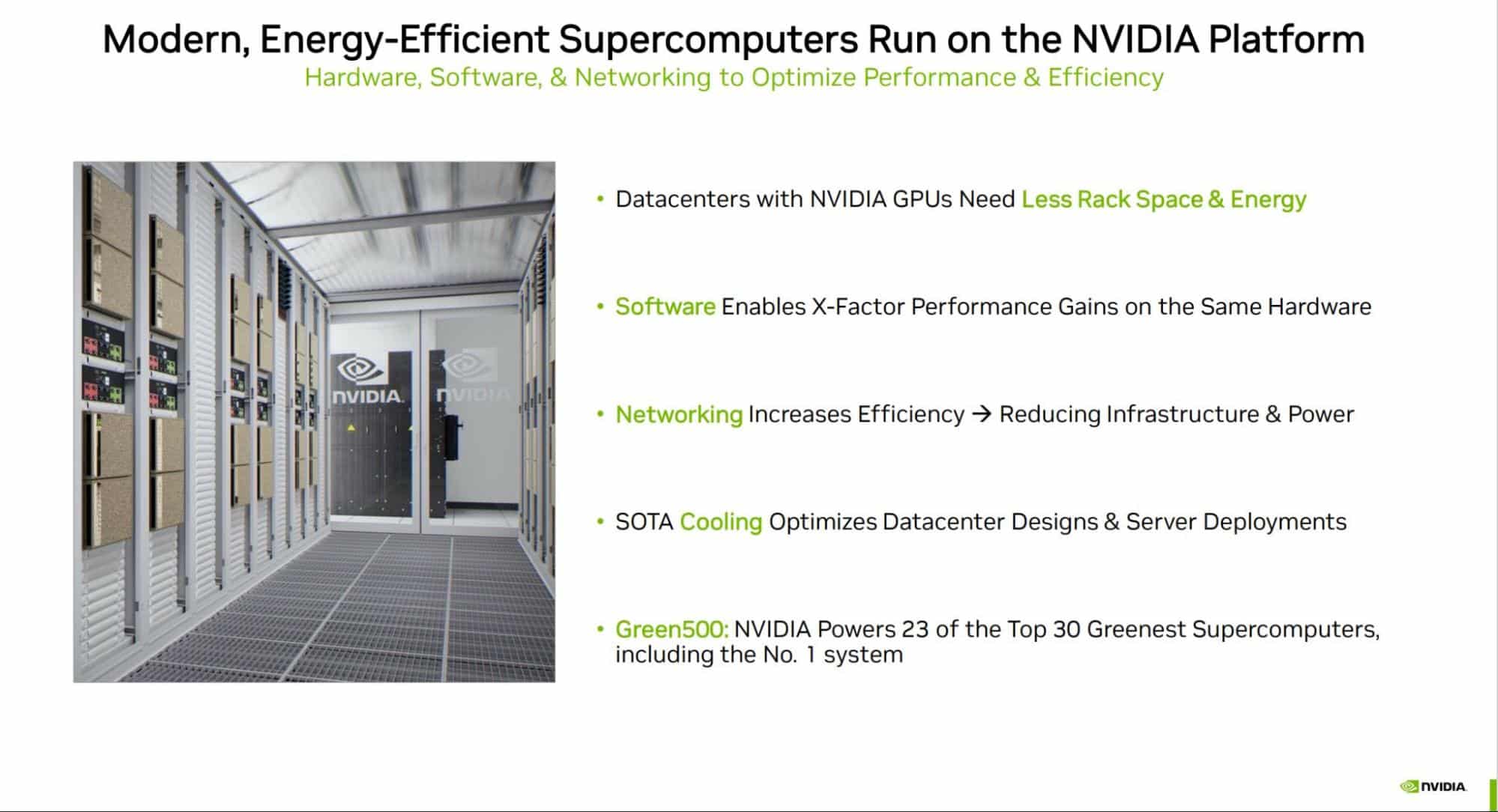
Nvidia has warned Microsoft, Google, and Oracle that AI server prices will rise over 15% in many cases, per Bloomberg. The hikes hit Grace Blackwell and Vera Rubin systems shipping from early 2027, driven by record DRAM and HBM cost surges.
Key facts
- Nvidia warns of 15%+ price hikes on AI servers
- Grace Blackwell, Vera Rubin systems affected from early 2027
- DRAM contract prices: +58-63% QoQ in Q2 2026
- SK hynix sold out entire 2026 memory capacity
- Rubin GPU: 288GB HBM4 per package; NVL72: 20TB+ per rack
Nvidia has told some of its largest customers that the prices of servers containing its AI chips will rise by more than 15% in many cases, Bloomberg reported on Saturday. The increases will take effect on Grace Blackwell and Vera Rubin systems shipping early next year, according to people familiar with the matter, who commented on communications that have not yet been made public. The size of each increase will depend on the chip generation and the memory configuration involved. Companies that build servers under contract for large data center operators, including Microsoft, Google, and Oracle, have recently notified their customers of the forthcoming increases, the people told Bloomberg.
Key Takeaways
- Nvidia warns hyperscalers of 15%+ AI server price hikes on Grace Blackwell and Vera Rubin systems from early 2027, driven by record DRAM/HBM cost surges.
- A 15% rise adds hundreds of thousands of dollars per rack across thousands of racks.
The "RAMageddon" economics
This is another example of the so-called "RAMageddon" that's gripping the DRAM market, with contract prices having risen at record rates this year. Analysts projected that conventional DRAM contract prices would climb 58% to 63% quarter-over-quarter in Q2 2026, following a Q1 surge of 90% to 95%, as suppliers reallocated capacity toward HBM and server products. SK hynix said in October last year that it had already sold out its entire 2026 memory production capacity, and Samsung and SK hynix raised 2026 HBM3E supply prices by close to 20% before the year began.
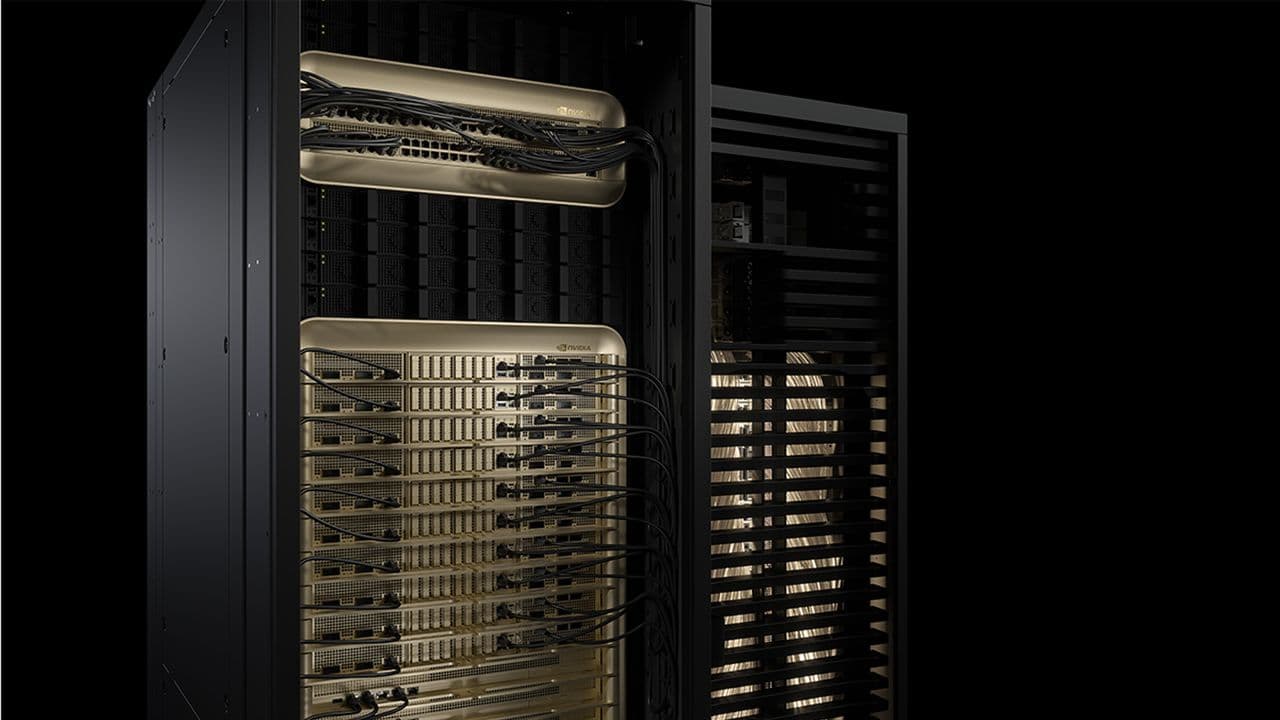
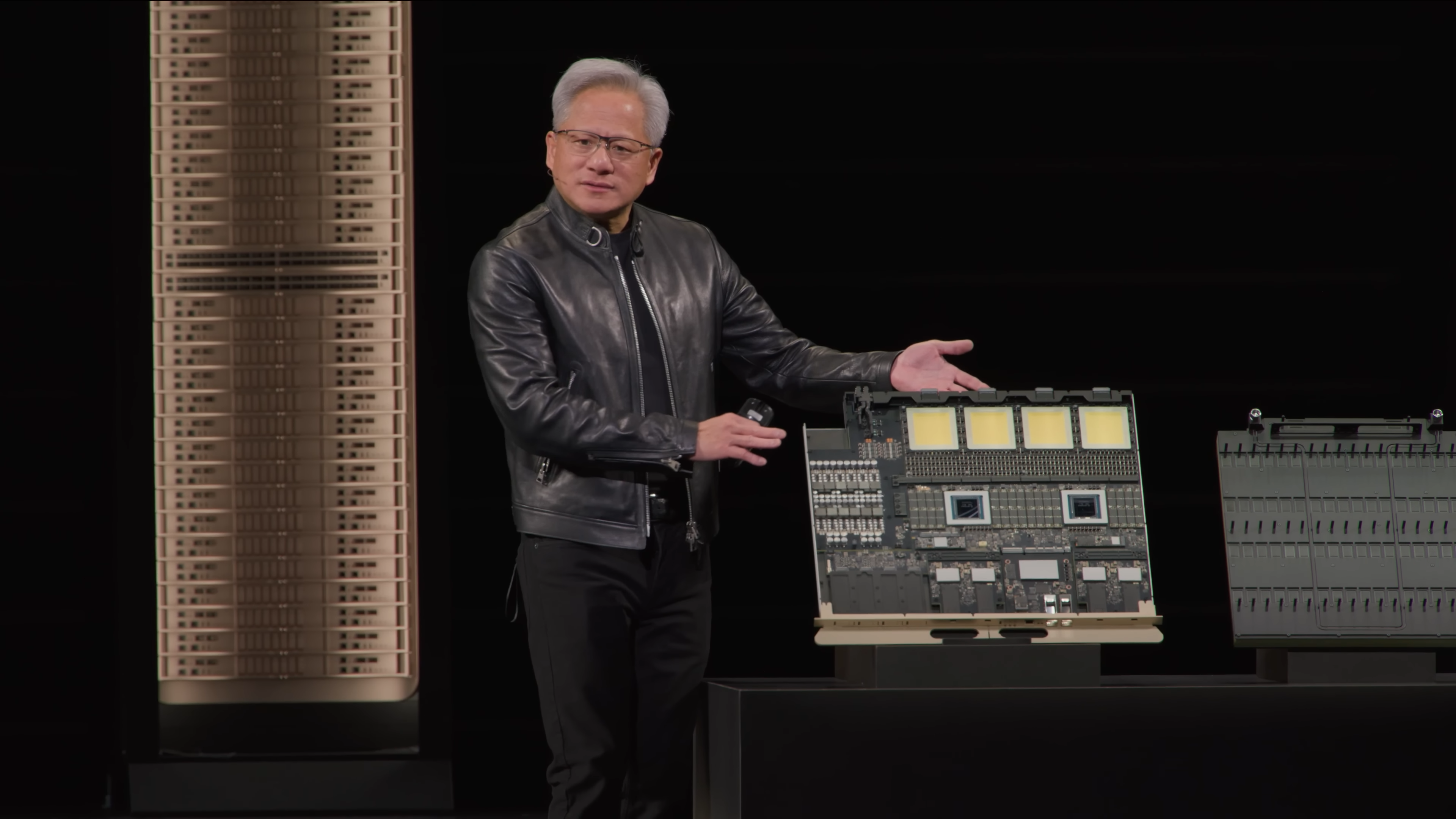
AI systems carry enormous memory loadouts, with Nvidia's Rubin GPU shipping with up to 288GB of HBM4 per package, and the NVL72 rack-scale system combines 72 of those GPUs, putting more than 20TB of HBM in a single rack before accounting for the LPDDR attached to its Vera CPUs. With HBM production consuming roughly four times the wafer area of equivalent conventional DRAM, memory has become one of the largest line items in an AI server's bill of materials, and it's continuing to rise at a stratospheric pace.
The self-inflicted crunch
Ironically, the supply crunch that's now inflating Nvidia's systems is the same one its demand helped to create. The three major memory makers spent this and last year shifting advanced nodes and new capacity toward HBM and high-capacity server DRAM, starving commodity markets in the process. Consumer DDR5 pricing has more than doubled since late 2025 as a result, with a mainstream 32GB DDR5-6000 kit selling for around $392 in August against $110 to $140 a year earlier, according to our RAM price tracker.
Nvidia has already passed rising costs through to consumers, raising prices on GeForce graphics cards earlier this month. The Bloomberg report indicates the same unrelenting pressure has now reached the top of the Nvidia stack, where hyperscalers as well as PC builders will be absorbing the increase. A 15% rise on rack-scale systems that sell for several million dollars each adds hundreds of thousands of dollars per rack across deployments that run to thousands of racks.
Nvidia runs a gross margin of roughly 75% non-GAAP, a figure that suggests it has room to absorb some of this pressure. The decision to pass through costs rather than eat into that margin signals that memory inflation is severe enough to threaten even the industry's most profitable chipmaker. The company did not disclose the exact magnitude of the increases or which customers were notified.
What to watch
Watch for Q3 2026 DRAM contract pricing announcements from SK hynix, Samsung, and Micron — if the 58-63% QoQ projection holds, expect Nvidia to announce further hikes or alternative memory configurations. Also track whether hyperscalers accelerate custom silicon efforts like Waymo's 1,000-TOPS chip to reduce Nvidia dependence.
Source: tomshardware.com
[Updated 24 Aug via the_decoder]
The price hikes will also hit Meta, not just Microsoft, Google, and Oracle as originally reported, according to Bloomberg's coverage via The Decoder. This expands the scope of affected hyperscalers, underscoring the breadth of the memory-driven cost surge across the industry. [per The Decoder]